What Are Panel Lights and What Types Are Available?
Panel Lights are flat, efficient fixtures designed to spread light evenly across a room. They appear in offices, schools, clinics, retail spaces, and modern homes. Their slim profile can sit in a suspended ceiling, mount directly to a surface, or hang as a pendant. The right choice depends on more than appearance. Room size, ceiling height, glare control, color quality, and installation conditions all matter.
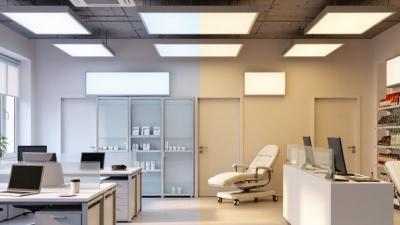
Lighting specialist Alex Morgan sums up the design goal: “A good panel light should make the room feel clear, not make the fixture the focus.” That is a useful principle, though not a complete specification. Two panels can look nearly identical and still differ in brightness, color temperature, dimming compatibility, and light distribution. A cool-white panel may suit a task area, while a warmer tone can feel more comfortable in a reception space. Details count.
This guide explains what Panel Lights are and compares the main types available, including recessed, surface-mounted, suspended, and edge-lit designs. It also explores practical features such as selectable color temperature, dimming, and emergency options. A neat specification sheet cannot reveal everything. Check the fixture’s beam, driver quality, and fit against the actual ceiling before choosing. Even careful planning can miss a small detail, like visible glare on a monitor. That deserves a second look.
What Panel Lights Are and How They Produce Light
Panel lights are flat fixtures designed to spread light across a broad surface. In many modern models, rows of light-emitting diodes sit behind or along the edges of a panel. Each LED produces light when electrical current passes through a semiconductor. A driver regulates the incoming power, while a diffuser softens individual points into an even glow. The result is the familiar, low-glare light seen in offices, classrooms, and kitchens.
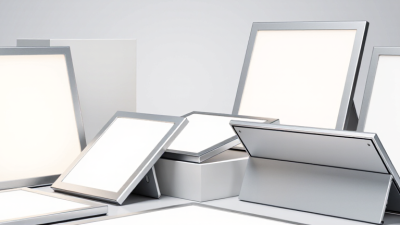
Edge-lit panels guide light through a clear plate from LEDs around the frame. Back-lit panels place LEDs behind the diffuser, often making light distribution easier to manage. Both rely on optical layers to reduce bright spots. The U.S. Department of Energy’s Energy Saver guidance reports that LED lighting can use up to 90% less energy and last up to 25 times longer than traditional incandescent lighting. That comparison describes LED technology broadly, not every panel’s real-world performance. One caveat: an evenly lit panel can still feel visually flat in a room with little contrast.
Tips: Check the driver’s dimming compatibility before installation. Compare the panel’s color temperature and measured light output, not wattage alone. A cool-white panel may look crisp on a workbench, yet feel harsh above a dining table.
Key Components and Design Features of Panel Lights
A panel light combines an LED board, driver, optical layers, and a supporting frame. The driver regulates current; the LEDs produce light; a diffuser or light guide spreads it across the face. Back-lit panels place LEDs behind the diffuser, while edge-lit designs direct light inward from the frame. Small parts matter. A loose optical fit can create bright spots, visible seams, or uneven color.
Design choices affect comfort and service life. A matte diffuser helps soften glare, while a rigid frame supports neat ceiling installation. The driver and LED board also need a path for heat to escape; otherwise, components may age faster. IEA’s Energy Efficiency 2023 report estimates lighting uses about 15% of global electricity, though this figure covers all lighting, not panel lights alone. The U.S. Department of Energy’s 2019 solid-state lighting forecast projected 569 TWh of annual U.S. electricity savings by 2035, compared with a no-LED scenario. These figures explain why efficient components matter, but they do not guarantee a good fixture. I still find one trade-off easy to miss: very thin panels save ceiling depth, yet leave less room for thermal management and driver access. Check uniformity, glare, and replaceable components—not just wattage.
How Panel Lights Are Classified by Installation and Light Source
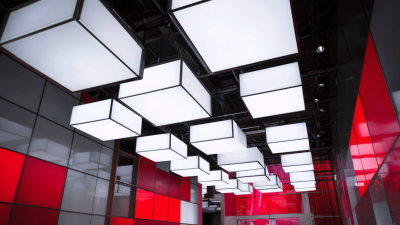
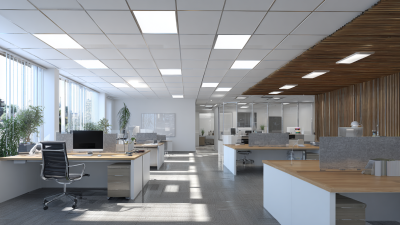
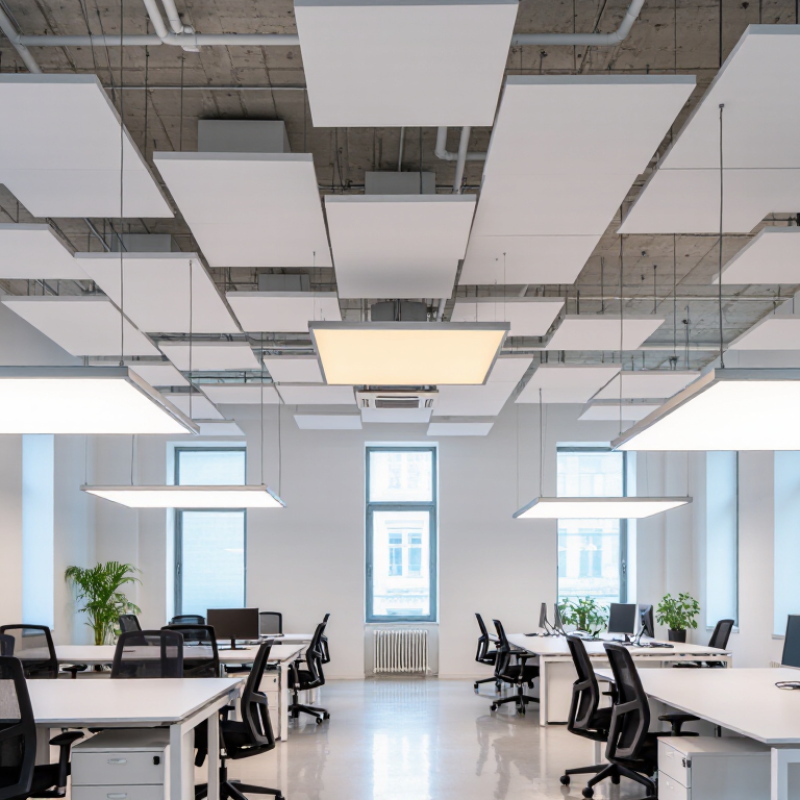
Panel lights are flat, broad fixtures designed to spread light evenly across a room. Their installation method affects appearance, access, and ceiling requirements. Recessed panels sit within a suspended ceiling grid, leaving a clean, nearly flush surface. Surface-mounted panels attach directly to a solid ceiling, which helps where no cavity is available. Suspended panels hang on cables and suit high or open ceilings. They can look striking, though their cables need careful alignment.
Light source is another useful classification. LED panels are common because they use relatively little energy, start quickly, and offer long service life. Some use edge-lit LEDs, guiding light from the frame across a diffuser; others use back-lit LEDs placed behind it. Fluorescent panels remain in older buildings, but can feel less even and may need more maintenance. Color temperature and dimming compatibility matter too. A cool white panel can sharpen a work area, while a warmer tone may feel softer. Small differences show.
Tips: Measure the ceiling opening before choosing a recessed panel. Check driver access, glare control, and dimmer compatibility. If possible, view the light at its intended height; showroom impressions can be misleading. Also, a perfectly even ceiling is not always the goal.
Common Types of Panel Lights and Their Applications
Panel lights are broad, even light sources designed for ceilings, walls, or equipment panels. LED flat panels are common in offices and classrooms, where their wide spread can reduce harsh pools of light across desks. Recessed models fit suspended ceiling grids; surface-mounted versions work where there is no grid. Slim edge-lit panels suit shallow spaces, while backlit models distribute light across the face. The difference can be subtle at first glance.
Other types serve more specific needs. Dimmable panels help meeting rooms shift from screen work to discussion, while adjustable color temperature can support changing tasks. Sealed panels are useful in kitchens, clinics, and workshops where dust or moisture may be a concern; check the product’s protection rating for the actual conditions. In retail spaces, larger panels can provide consistent general lighting, but focused accent lights may still be needed for displays. One detail is easy to miss: a bright panel can feel uncomfortable if it reflects in a monitor.
Tips: Check the ceiling depth, panel size, and light output before choosing. Compare glare control, dimming compatibility, and color temperature in the room itself. A specification sheet helps, but it cannot fully predict how the light will feel at a desk.
What Are Panel Lights and What Types Are Available? — Common Types of Panel Lights and Their Applications
LED panel lights are flat fixtures used for broad, even indoor lighting. Common nominal formats include 1 × 4 ft panels for corridors and narrow spaces, and 2 × 2 ft or 2 × 4 ft panels for offices, classrooms, and other spaces with suspended ceilings.
Dimensions shown are nominal format sizes in inches. Actual fixture dimensions can vary slightly by manufacturer and installation system.
How to Compare Panel Light Types for Different Spaces
Panel lights are flat, broad fixtures that spread light across a ceiling. Common options include edge-lit panels, backlit panels, recessed models, surface-mounted fixtures, and suspended designs. Edge-lit panels are often slim, while backlit versions may suit ceilings with more room. The right choice depends less on appearance than on the space, ceiling, and daily tasks.
For offices, compare glare control, brightness, and dimming performance; a bright panel can still feel uncomfortable above a screen. In kitchens and classrooms, even light helps reduce shadows on counters and desks. Recessed panels create a flush look, but they need compatible ceiling cavities. Surface-mounted fixtures can work better on solid ceilings. For corridors or low ceilings, check panel depth and light distribution before choosing. Not every room needs the same color temperature. I still find this easy to overcomplicate.
Tips: Check the fixture’s moisture rating for damp areas, and confirm that the panel fits the available opening. Compare color rendering if people need to judge colors accurately. Ask how the driver can be accessed for maintenance. Small details matter. A sample installed in the actual room can reveal glare or color differences that a product photo misses.