Best Emergency Exit Lights Manufacturers in China?
Choosing among the Best Emergency Exit Lights Manufacturers in China requires more than comparing prices or catalogue photos. Emergency Exit Lights must remain visible during power loss, guide people through unfamiliar corridors, and perform reliably after months of standby. The stakes are practical. NFPA’s Fire Loss in the United States During 2021 report estimated 1.35 million fires and 3,800 civilian fire deaths. That figure is not a measure of exit-light failures, but it underscores why dependable evacuation equipment deserves careful evaluation.
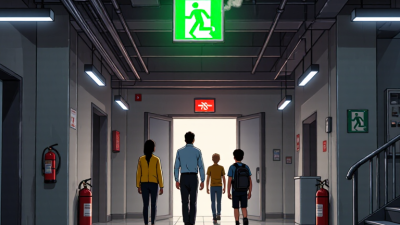
A useful supplier review should examine battery-backup test records, illumination performance, product traceability, and quality-control procedures. UL 924, a safety standard covering emergency lighting and power equipment, is one reference buyers may encounter; applicable requirements vary by destination market and project. Check certificates against the exact model, not just the manufacturer’s name. Ask how long a unit operates on backup, how replacement batteries are handled, and whether test results can be independently verified. Small details matter. A sign above a smoky stairwell, a charging indicator on a sample unit, or unclear wiring instructions can reveal gaps that a polished brochure hides.
This guide looks at Chinese manufacturers through those practical questions, alongside product range, customization, export experience, and after-sales support. No shortlist can replace testing a sample in the intended setting. And supplier information can be incomplete; that deserves scrutiny, not guesswork.
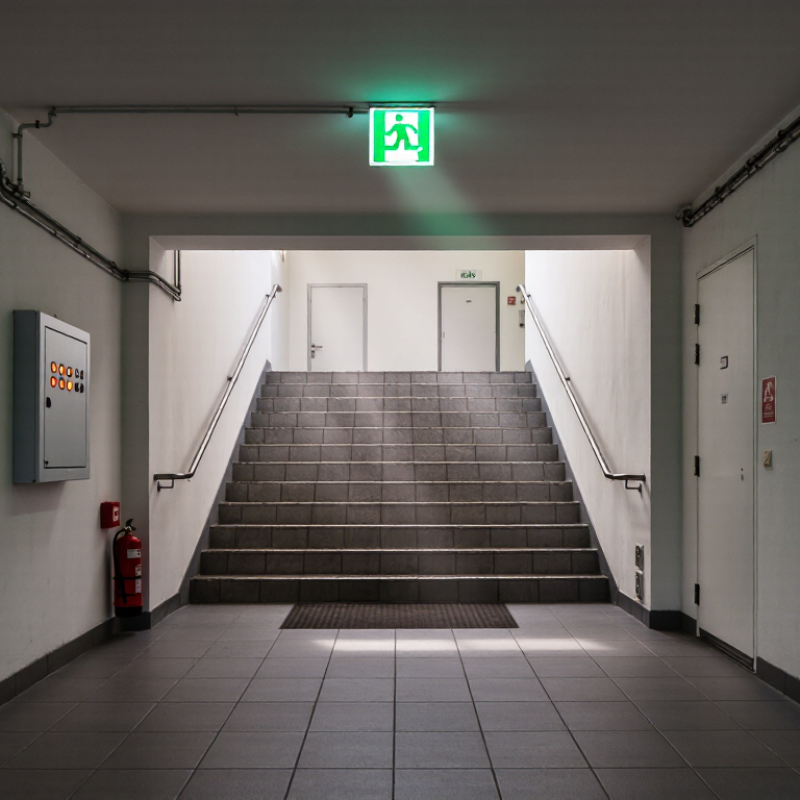
Understanding Emergency Exit Lights and Their Main Types
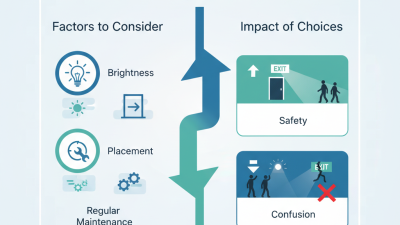
Emergency exit lights help people identify a safe route when normal lighting fails. Their design often combines an illuminated exit sign with emergency lamps, though some units provide only one function. A maintained light stays illuminated during everyday use and switches to backup power during an outage. A non-maintained model activates only when the main supply fails. This difference affects visibility, energy use, and suitability for each space. Small details matter.
Common types include wall-mounted exit signs, ceiling-mounted signs, recessed units, and emergency bulkhead lights. Directional signs use arrows to guide people through corridors or toward stairwells; the arrow must match the actual route. Bulkhead lights provide general illumination near doors, stairs, or changes in floor level. Some units use built-in batteries, while others connect to a central backup supply. When comparing options, check viewing distance, mounting position, battery runtime, and how the unit can be tested or serviced. A bright sign can still confuse people if it points toward a blocked passage. Not always obvious. Room layout and maintenance routines should guide selection, rather than appearance alone.
Emergency Exit Lights: 90-Minute Egress Illumination Benchmark
NFPA 101 benchmark values for egress-path illumination are shown at the start of an emergency and after 90 minutes. Maintained, non-maintained, and combined emergency-lighting designs should be selected to meet the applicable local code; these figures are not product ratings.
How to Evaluate Emergency Exit Light Manufacturers in China
When evaluating emergency exit light manufacturers in China, look beyond a polished catalog. Ask for current test reports and certificates relevant to your destination market, then check that model numbers match the documents. Details matter. Review battery type, stated emergency runtime, charging time, light output, and operating temperature. Ask how each unit is tested before shipment; clear inspection records are more useful than broad quality claims.
Request a sample and examine its housing, labels, wiring, and mounting points. Test the lamp after charging it, and note whether the indicator is easy to read. A sample cannot prove consistent production, so ask how defects are tracked across batches. Factory audit records, written inspection procedures, and traceable component lists can help clarify that process. Delivery schedules and spare-part support matter too. A low price may look appealing, but unclear warranty terms can become costly.
Tips: Send the same technical checklist to every supplier. Ask for dated documents, not screenshots without model details. Confirm packaging, lead time, and replacement-part availability in writing. If an answer feels vague, ask again. That extra check is worth it.
Leading Emergency Exit Light Manufacturers in China
China has a broad base of emergency exit light manufacturers, serving projects from small offices to large factories. Leading manufacturers distinguish themselves through consistent production, clear technical documentation, and practical support—not just a wide product range. Buyers should check operating duration, charging time, battery type, viewing distance, and mounting options. Details matter.
Ask for product data sheets, sample units, and records from relevant quality checks. Inspect how evenly the sign is lit, whether labels are easy to read, and how firmly the unit mounts to a wall. Confirm that the supplier can explain installation and maintenance needs in plain language. A polished catalog is not enough. Even careful reviews cannot remove every risk, so verify claims against the actual product and project requirements.
Tips: Request a sample and test it under realistic lighting. Check warranty terms, spare-part availability, and response times before ordering. A small documentation gap may seem minor, but it can slow a project later.
Comparing Product Quality, Certifications, and Customization
Choosing an emergency exit light manufacturer in China takes more than comparing prices or polished catalog photos. Product quality shows in details: even illumination, clear pictograms, secure housings, and batteries that perform during realistic backup tests. Ask for test reports and inspect a sample under both normal and emergency power. A bright showroom display proves little.
Check certifications carefully. Confirm that documents apply to the exact model, factory, and intended market, rather than relying on a logo in a brochure. Review production inspection records, component traceability, and battery test results. These checks take time. They can also reveal gaps that a certificate alone may not show.
Customization may include housing color, mounting style, pictogram direction, voltage, or packaging. Request a written specification and a pre-production sample before approving a large order. A custom label is simple; changing optics or battery capacity can affect performance and lead time. Not always obvious. Ask how design changes are tested, and who approves the final sample. One limitation is easy to overlook: a supplier may offer many options, yet handle revisions slowly. Set clear acceptance criteria, including brightness, backup duration, and labeling, before production begins.
How to Verify Suppliers and Source Emergency Exit Lights
When comparing emergency exit light manufacturers in China, verify the factory behind the quotation. Ask whether the supplier produces the complete unit or assembles components from other sources. Request a current business profile, production photos, and a video showing assembly and final inspection. Then compare these details with the company’s stated production capacity. A polished showroom proves little.
Tips: Ask for a sample from the same product series you plan to order. Check the charging indicator, arrow visibility, casing, and battery backup during a power interruption. Request test reports for the exact model number, not just a similar-looking unit. Confirm that documents are current and issued by a verifiable testing organization. Small detail, big difference.
Before placing a bulk order, agree on written specifications for brightness, mounting style, operating time, packaging, and acceptable defects. Ask how the factory tracks batch numbers and handles failed inspections. Keep one approved sample for comparison when the shipment arrives. If possible, use an independent inspector before dispatch. This adds cost, and it still cannot catch everything; I would not treat one successful sample as proof of consistent production. Get delivery dates and replacement terms in writing, then check whether the supplier answers technical questions clearly.