2026 How to Choose Commercial Emergency Lights?
Choosing Commercial Emergency Lights in 2026 requires more than comparing brightness, price, and appearance. A reliable system must guide people through smoke, darkness, power loss, and confusion. It should illuminate escape routes, stairwells, exit doors, corridors, and assembly areas without creating harsh glare. Small details matter.
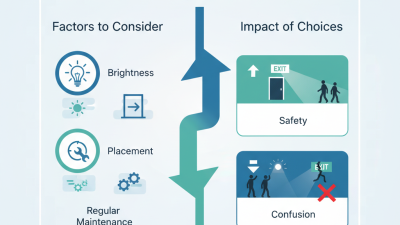
Lighting engineer James R. Benya has said, “Good lighting is not just about seeing; it is about being seen.” That principle applies strongly to emergency planning. A bright fitting in the wrong position may still leave a doorway hidden. Therefore, this guide examines mounting height, beam distribution, battery duration, self-testing functions, visibility, and maintenance access. It also considers how LED performance, remote monitoring, and lower energy use influence modern installations.
Real buildings rarely behave like diagrams. Dust gathers above ceiling tiles. Batteries age faster in hot plant rooms. A blocked corridor can change the safest route. These practical problems deserve attention. Sometimes, choosing the cheapest unit creates a costly replacement cycle. Sometimes, the most advanced system is unnecessary for a small office. That is worth questioning.
The right decision depends on building use, occupancy, environmental conditions, and the emergency plan. Product documentation should be checked carefully, not assumed. Qualified professionals should verify the final design against applicable local requirements and recognized safety standards. This article offers a practical framework for comparing Commercial Emergency Lights with greater confidence, while acknowledging one uncomfortable truth: no fitting can replace regular testing, clear routes, and responsible human oversight.
What Are Commercial Emergency Lights and Why Are They Essential?
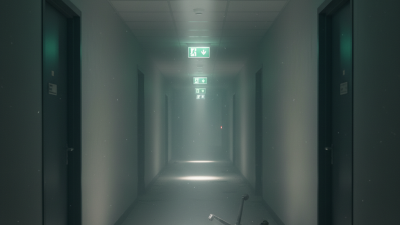
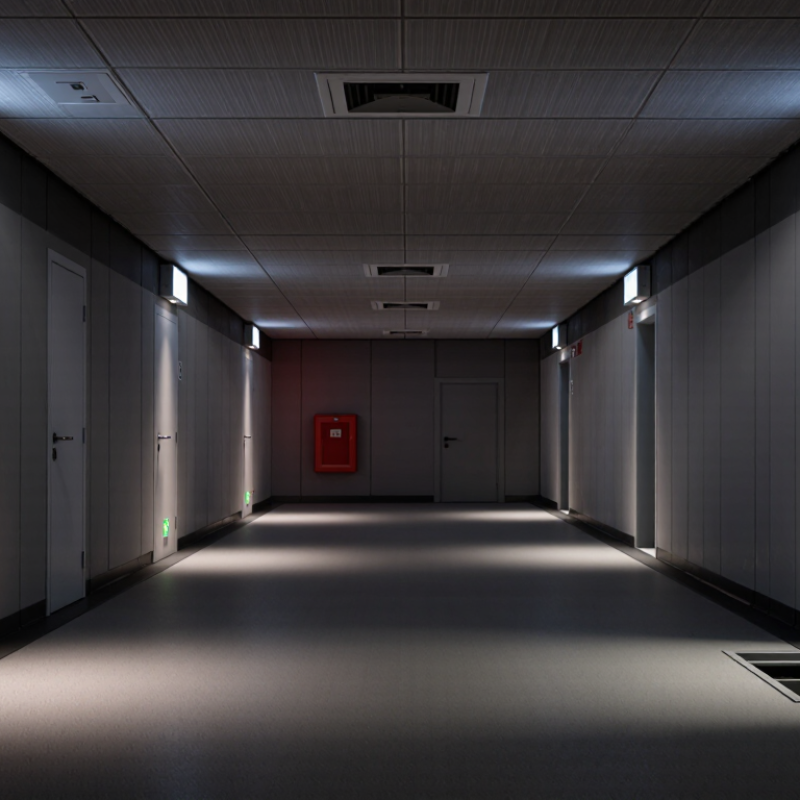
Commercial emergency lights are backup lighting systems for workplaces, shops, warehouses, hotels, and public buildings. They activate when normal power fails, guiding people through corridors, stairs, exits, and assembly routes. Most units use rechargeable batteries, LED sources, and automatic charging circuits. Some combine emergency illumination with illuminated exit signs. Their purpose is simple: reduce darkness, panic, and dangerous movement during an outage. A dark stairwell can turn a short power failure into a serious incident.
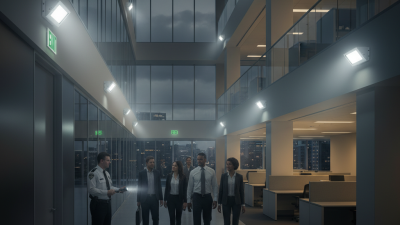
These lights are essential because occupants may not know the building layout. Smoke, dust, or crowded aisles can make escape paths harder to recognize. Reliable emergency lighting supports staff, visitors, and responders when visibility drops. A qualified electrician should assess mounting height, coverage, battery duration, and local safety requirements. Do not judge performance by brightness alone. Even lighting matters near steps, floor-level changes, and doorways. A common mistake is trusting a new-looking fitting without testing its battery. That weakness is easy to miss.
Tips: Walk through the building during a scheduled test. Check whether each fitting starts promptly and illuminates the intended route. Record test dates, defects, battery replacements, and corrective work. Choose sealed, durable housings for dusty, damp, or cold areas. Review the plan after renovations; old coverage may not protect new partitions. A checklist helps, but it cannot replace professional inspection.
Which Commercial Emergency Light Types Fit Your Building?
Choosing the right commercial emergency light starts with the building’s layout, not appearance. A small office may need maintained exit signs, corridor bulkheads, and recessed ceiling units. These fixtures keep escape routes visible during a power failure. Retail stores often require wide-beam emergency lights above aisles and near stairwells. Their open floor plans create different shadow patterns.
Warehouses and workshops need high-output units mounted above storage racks or machinery. Select models with suitable beam angles and protection against dust or moisture. Parking areas may require weather-resistant wall lights with stronger housings. In public buildings, low-level path lighting can help people move safely without glare. A professional assessment should check mounting height, battery duration, lux levels, and local fire and electrical requirements. Guesswork can leave dark patches.
Tips: Walk the building after sunset. Mark every shadowed corner. Check whether doors, stairs, and signs remain visible from several angles. Keep test records and inspect batteries regularly. A common mistake is choosing identical fixtures everywhere. That looks tidy, but it may waste light in one area and provide too little coverage in another. Reconsider the plan after furniture, shelving, or partitions change. Safety design is rarely perfect on the first attempt.
2026 How to Choose Commercial Emergency Lights?
Which Commercial Emergency Light Types Fit Your Building?
How to use this chart: Select emergency lighting according to the area’s evacuation function and required illuminance. Exit signs are suited to escape routes and exits, emergency bulkheads are commonly used in corridors and general circulation areas, emergency floodlights are suitable for open areas, and dedicated high-risk task luminaires are required where people must safely stop hazardous work.
The benchmark values shown are based on EN 1838 emergency-lighting criteria: at least 1 lux for escape routes, 0.5 lux for open areas, and at least 15 lux or 10% of normal illuminance for high-risk task areas, whichever is greater. Always confirm the applicable local building and fire-safety regulations.
How to Evaluate Brightness, Battery Life, and Runtime
2026 How to Choose Commercial Emergency Lights?
Brightness should be judged at floor level, not by advertised wattage. NFPA 101, 2024 edition, specifies an initial average of 1 foot-candle, or 10.8 lux. No point should fall below 0.1 foot-candle, or 1.1 lux. These values apply to the emergency path, not just the fixture’s center. Measure corridors, stair landings, and changes in direction. A high-lumen unit can still create dark corners. I once trusted the largest lumen number. That was a mistake.
Battery performance needs a harder check. NFPA 101 requires emergency illumination for at least 90 minutes. Select a fixture tested at its rated load, not an optimistic standby claim. UL 924 covers emergency lighting equipment and evaluates operation during power failure. Ask for discharge-test records, battery type, recharge time, and performance at low temperatures. The U.S. Department of Energy’s 2023 Solid-State Lighting R&D report also identifies thermal management as a major reliability factor. Heat can shorten battery life.
Runtime should be verified on site. A fully loaded unit may run less than its label suggests. Check the number of heads, remote loads, test-button behavior, and monthly inspection results. Brightness is measurable. Battery aging is less predictable. Leave margin. A light that barely meets 90 minutes today may fail earlier after several years.
How to Check Compliance, Safety Ratings, and Installation Needs
In 2026, choosing commercial emergency lights starts with the adopted building and fire codes. NFPA’s Fire Loss in the United States During 2023 reported about 1.39 million fires and 3,670 civilian deaths. That report does not isolate emergency-lighting failures, but it shows why visible escape routes matter. Check whether the project follows NFPA 101, local regulations, or EN 1838. Do not assume one certificate works everywhere.
Read the complete safety rating, not only the product label. Look for testing against IEC 60598-2-22 or an equivalent recognized standard. Confirm the battery duration, charging time, temperature range, and photometric performance.
EN 1838 commonly requires at least 1 lux along escape routes and 0.5 lux in open areas. Where the adopted code requires it, verify 90-minute operation. IP protection matters in damp areas. IK protection matters near warehouses and loading bays.
Installation conditions often decide real performance. Measure corridor lengths, ceiling heights, exit visibility, and obstruction risks before ordering. Keep luminaires away from smoke, dust, and heat sources. Connect maintained and non-maintained fittings correctly. Record the commissioning test and schedule monthly functional checks. I have seen bright fittings fail because batteries were unsuitable for cold rooms. A checklist can still miss that. Recheck the layout after shelving, partitions, or machinery changes. Test it in darkness, not only during a daytime inspection.
How to Install, Test, and Maintain Emergency Lighting Systems
Choosing commercial emergency lights starts with the building’s risks, occupancy, and escape routes. Installation should follow the approved lighting plan and applicable local safety requirements.
Mount each unit where signs and pathways remain visible during smoke, power loss, or blocked daylight. Keep fittings clear of shelves, ductwork, and tall equipment. A qualified electrician should connect the system, protect circuits, and label isolation points clearly. Test the normal supply before switching to emergency mode. Then check that every lamp responds quickly and illuminates its assigned area.
Testing needs more than pressing one button. Simulate a power failure and inspect corridors, stairs, exits, and open workspaces. Record the date, duration, failed units, and corrective action. A lux meter can reveal weak coverage that looks acceptable to the eye. Human judgment helps, but it is not enough. I have seen clean installations fail because one battery connector was loose.
Maintain batteries, lenses, signs, and test switches on a planned schedule. Remove dust from diffusers and replace damaged covers promptly. Let batteries complete their charging cycle after testing. Replace aging batteries when runtime drops below the project requirement. Keep maintenance records near the control panel, not in an office drawer. Staff should know the alarm indicators and reporting process. Small oversights matter. Recheck the system after renovations, moved partitions, or changes in occupancy.