top of page

China Best Rechargeable Emergency Light Manufacturer?

Choosing the China Best Rechargeable Emergency Light Manufacturer requires more than comparing factory prices. A dependable supplier must understand battery safety, illumination performance, charging behavior, and real evacuation conditions. The right manufacturer should also provide stable production records, practical testing data, and clear quality documentation.

A hallway is not a laboratory. Imagine a power failure at 2 a.m., with smoke near the staircase and only a narrow beam guiding people forward. In that moment, a Rechargeable Emergency Light must start quickly, remain bright, and stay reliable after months of standby use. John Bullock, a respected emergency-lighting consultant, has stated, “Emergency lighting is a life-safety system, not a decorative product.” That principle should guide every manufacturer evaluation.

Experience matters here. Strong Chinese manufacturers usually explain battery capacity, emergency runtime, charging cycles, LED output, housing materials, and protection ratings without hiding behind vague promises. They can show sample test reports, production inspection procedures, and records from repeated product improvements. Still, no supplier is perfect. A product may look impressive during a showroom demonstration yet perform poorly in heat, dust, or extended storage.

Buyers should examine factory capability, certification support, warranty terms, spare-part access, and after-sales communication. Small details matter. Does the indicator remain visible? Is the test button easy to press? Can the battery be replaced safely? These questions reveal practical expertise. This guide will compare leading manufacturers through performance, reliability, customization, compliance awareness, and customer experience, while recognizing one uncomfortable truth: the cheapest option may become the most expensive during a real emergency.
China Best Rechargeable Emergency Light Manufacturer?

What Defines a High-Quality Rechargeable Emergency Light Manufacturer in China?

What Defines a High-Quality Rechargeable Emergency Light Manufacturer in China?

A reliable Chinese manufacturer proves performance before discussing price. It should provide test records for battery capacity, charging time, lumen output, and emergency duration. Independent laboratory reports matter more than attractive product photos. The fixture should meet applicable requirements, including IEC 60598-2-22 for emergency lighting. Factory audits should also examine production traceability, worker training, and final inspection procedures.

Market data shows why this discipline matters. Fortune Business Insights estimates the global emergency lighting market will grow from about USD 6.7 billion in 2024 to over USD 11 billion by 2032. MarketsandMarkets also forecasts steady growth, driven by stricter building safety expectations and energy-efficient lighting upgrades. These reports indicate demand is expanding, but growth alone does not prove product quality. A manufacturer must connect market claims with measurable evidence.

Look for battery aging tests, thermal protection, and repeated discharge-cycle records. Ask whether samples perform consistently after storage, not only when newly assembled. A serious supplier should explain its quality system, corrective actions, and export documentation clearly. ISO 9001 certification can support confidence, but it cannot replace product testing. I have seen specifications that looked excellent until low-temperature testing exposed weak battery performance. That weakness is easy to miss. Some factories may also rely too heavily on one battery source, creating hidden supply risks. Reliable manufacturing requires honest limitations, stable components, and clear after-sales technical support.

How China’s Rechargeable Emergency Light Manufacturing Process Works

China’s rechargeable emergency light manufacturing process starts with product planning. Engineers define brightness, backup time, charging speed, and operating temperature. They select LEDs, rechargeable cells, protection circuits, switches, and impact-resistant housings. Small details matter. A loose connector can stop the lamp during an outage.

Incoming materials are checked before assembly. Technicians test battery voltage, LED output, solder joints, and circuit protection. Automated machines place components onto circuit boards, while workers inspect alignment under magnifying lamps. After assembly, each light receives charging and discharge tests. Factory teams may run aging tests for several hours, checking heat, brightness, and charging stability. They also verify emergency switching when mains power fails. Records should identify test dates, material batches, and responsible inspectors. This supports traceability and more reliable quality decisions. However, no process is perfect. Battery performance can change with storage time, temperature, and supplier consistency. That weakness deserves regular review.

Tips: Ask for test reports, battery specifications, and sample inspection records. Confirm the stated backup time under real brightness settings, not standby mode. Check whether the housing feels secure and whether the charging port resists dust. Request samples from different production batches. A sample can reveal more than a polished catalogue. Use qualified testing laboratories when safety or export requirements demand independent verification.

Key Product Features and Safety Standards to Evaluate

China Best Rechargeable Emergency Light Manufacturer?

When evaluating a rechargeable emergency light manufacturer in China, inspect safety before brightness. A bright sample can still disappoint. Check the battery type, rated capacity, charging time, and tested operating duration. Lithium batteries should include overcharge, over-discharge, short-circuit, and temperature protection.

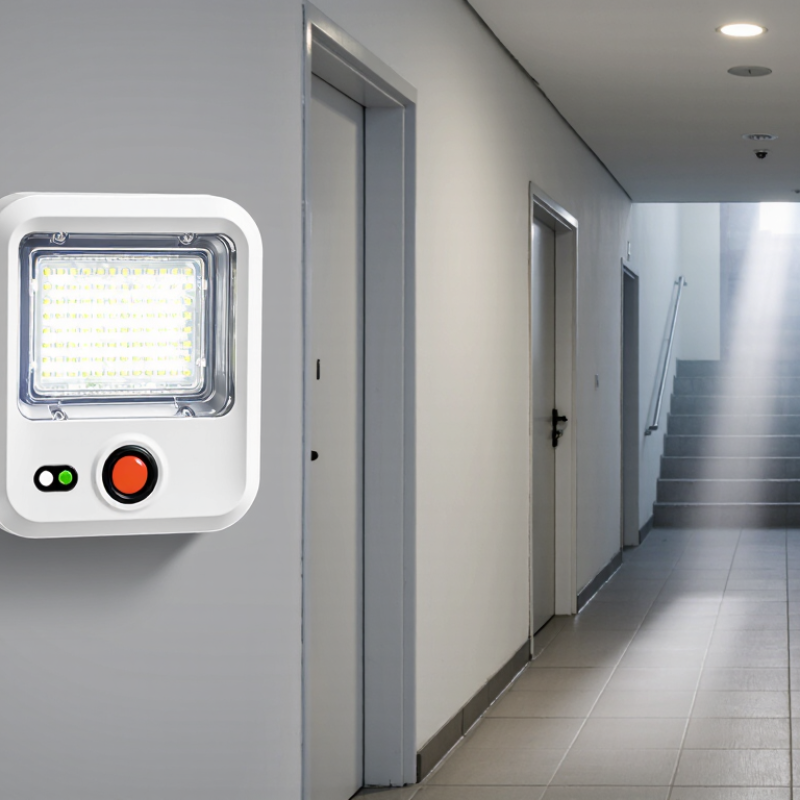
Confirm that the lamp switches automatically during power failure. A clear charging indicator and a reliable self-test function also reduce maintenance errors.

Review the product against relevant standards, such as IEC 60598-2-22 for emergency lighting. Depending on the market, required approvals may include applicable national certifications, EMC testing, RoHS documentation, or ingress protection tests. Do not accept certificates without matching model numbers and test dates.

Ask for production inspection records, battery traceability, and sample-based runtime reports. From practical evaluations, wall mounting, heat control, and readable instructions often matter more than attractive packaging.

My own checklist has changed after several samples showed shorter runtimes in cold rooms.

Tips: Test three samples, not one. Measure illumination at floor level. Repeat the runtime test after several charging cycles. Check whether replacement parts remain available. A small weakness matters. Also verify the warranty process, response time, and factory quality controls before placing a larger order.

Why Businesses Choose Chinese Emergency Light Suppliers

China Best Rechargeable Emergency Light Manufacturer?

Businesses choose Chinese emergency light suppliers for more than competitive pricing. Mordor Intelligence estimates the global emergency lighting market will grow steadily through 2030, supported by stricter safety expectations and expanding commercial construction. This demand encourages Chinese manufacturers to improve battery testing, thermal control, and production traceability. A capable factory can provide rechargeable lithium or nickel-metal hydride systems, adjustable beam angles, and documented discharge performance. The details matter. A warehouse manager needs lights that remain visible through smoke, dust, and sudden power loss.

Procurement teams also value flexible production. Chinese suppliers often support private specifications, moderate order quantities, and faster sample revisions. According to the International Energy Agency’s 2024 Global Energy Review, electricity demand continues rising across buildings and industry. Reliable backup lighting therefore protects movement during outages, not merely compliance paperwork. Buyers should request test records, factory audit results, battery cycle data, and certificates aligned with IEC 60598-2-22. They should also confirm whether the stated runtime reflects real temperature conditions. Numbers can look impressive.

Cost remains important, but the cheapest quotation may hide weak cells, thin wiring, or poor sealing. That risk is easy to underestimate. A practical evaluation includes a 90-minute discharge test, repeated charging, and inspection after transport vibration. Some suppliers will resist this level of checking. That hesitation deserves attention.

Why Businesses Choose Chinese Rechargeable Emergency Light Suppliers

Battery cycle life is a key procurement factor for emergency lighting. LiFePO4 batteries generally provide the longest service life, while lithium-ion, nickel-cadmium, and nickel-metal hydride batteries remain widely used for different cost, size, and application requirements.

How to Select the Right Manufacturer for Your Project

China Best Rechargeable Emergency Light Manufacturer?

How to Select the Right Manufacturer for Your Project

Choosing a Chinese rechargeable emergency light manufacturer requires more than comparing unit prices. The International Energy Agency reports that lighting uses about 15% of global electricity. Efficient products can therefore reduce operating costs in large facilities. Request measured lumen output, standby consumption, charging time, and battery endurance. Do not rely on catalogue figures alone.

Ask for test reports based on IEC 60598-2-22 and clear evidence of quality control. Check whether the factory performs aging tests, temperature tests, battery-cycle tests, and final inspections. A practical audit should examine soldering points, cable routing, sealing, and emergency-mode switching. Small details matter. For battery selection, compare lithium and nickel-based systems by cycle life, storage conditions, replacement access, and fire-safety documentation. The wrong battery can increase maintenance work.

A reliable supplier should provide samples before mass production, traceable components, stable lead times, and written after-sales procedures. Verify production capacity through recent records, not attractive showroom displays. Also review quality systems such as ISO 9001, while remembering that certification alone does not guarantee consistent products. I would test samples in dark corridors, dusty rooms, and low-temperature areas. My own selection process is not perfect; early samples may pass laboratory checks but fail after installation. Independent inspection and a small pilot order can expose that weakness before the project expands.

China Best Rechargeable Emergency Light Manufacturer? - How to Select the Right Manufacturer for Your Project

Manufacturer Evaluation and Product Selection Data Table
Use the following measurable criteria to compare suppliers, validate product specifications, and select a suitable rechargeable emergency-light manufacturing partner.
Evaluation Dimension Recommended Project Benchmark Why It Matters Evidence to Request from the Manufacturer
Emergency Operating Time At least 90 minutes for standard emergency applications; longer durations may be required for industrial or public facilities. Provides sufficient illumination after a power failure and supports common emergency-lighting requirements. Test report showing runtime at the specified light output, battery condition, and ambient temperature.
Light Output Approximately 100–300 lumens for portable area lighting; select the output according to room size, mounting height, and required illuminance. Lumens describe total light output, but beam angle and installation position determine actual illumination on the working surface. Integrating-sphere report, photometric file, LED efficacy data, and light-distribution diagram.
Battery Chemistry Lithium-ion or lithium iron phosphate for rechargeable designs; confirm voltage, capacity, protection circuit, and transport classification. Battery chemistry affects weight, cycle life, safety, charging performance, and product storage requirements. Battery datasheet, UN 38.3 transport test summary, safety documentation, and production traceability records.
Recharge Cycle Life Target at least 500 complete charge-discharge cycles, subject to the selected battery chemistry and operating conditions. A higher cycle capability can reduce replacement frequency and improve total cost of ownership. Cycle-life test conditions, remaining-capacity criterion, sample size, and test laboratory information.
Charging Time Typically 4–8 hours for a full recharge, depending on battery capacity, charger current, and charging-control design. A predictable charging period helps ensure the unit is ready for the next outage or emergency event. Charging curve, charger specification, overcharge protection details, and full-charge indication method.
Ingress Protection IP20 or above for dry indoor areas; IP44 or higher for locations exposed to splashing water; outdoor applications may require a higher rating. The correct IP rating helps protect the enclosure against solid objects and water ingress. IP test report identifying the exact model, enclosure configuration, and test standard used.
Operating Temperature A practical target is approximately 0°C to 40°C for general indoor use; wider ranges should be validated for warehouses, cold rooms, or outdoor projects. Temperature influences battery capacity, charging safety, LED performance, and service life. Operating-temperature specification, low-temperature runtime test, and charging-temperature limits.
Electrical Safety The design should include overcharge, over-discharge, short-circuit, overcurrent, and abnormal-temperature protection where applicable. Protection functions reduce risks related to battery failure, charger faults, and abnormal operating conditions. Electrical safety test reports, schematic review, protection-circuit description, and component qualification records.
Emergency Switching Automatic transfer to battery operation when mains power fails, with a clearly specified switching response time. Fast and reliable switching helps maintain visibility during a power interruption. Power-failure simulation report, switching-time measurement, and repeated mains-interruption test results.
Certifications and Market Compliance Compliance must match the destination market, electrical system, battery type, and intended application; relevant requirements may include IEC, EN, CE, EMC, RoHS, or local regulations. Correct compliance documentation reduces customs, installation, liability, and market-access risks. Valid certificates and test reports issued for the exact model, including report scope and expiry information.
Quality-Control Process Incoming-material inspection, in-process checks, aging or burn-in testing, battery testing, final inspection, and batch traceability. A documented quality system improves consistency across production batches. Quality manual, inspection checklist, corrective-action records, sample inspection report, and factory-audit access.
Customization Capability Ability to customize housing, battery capacity, LED color temperature, charging method, labels, packaging, and control functions. Project-specific customization can improve installation compatibility and user experience. Engineering drawings, prototype process, tooling charges, sample timeline, and change-control procedure.
Minimum Order Quantity Confirm separate quantities for standard products, customized products, packaging, and new tooling; lower quantities may involve higher unit costs. MOQ affects inventory investment, project flexibility, and the feasibility of pilot orders. Written quotation showing MOQ, sample pricing, tooling fees, packaging quantity, and payment terms.
Lead Time and Capacity Evaluate sample lead time, mass-production lead time, monthly capacity, component availability, and contingency planning. Reliable delivery is essential for construction schedules, tenders, and recurring replenishment. Production schedule, capacity statement, component lead-time list, and on-time-delivery records.
Warranty and After-Sales Support Seek clearly defined warranty coverage, replacement policy, technical support, spare-parts availability, and response times. Effective after-sales support reduces downtime and simplifies product maintenance throughout the project lifecycle. Warranty terms, failure-analysis process, spare-parts list, service-level agreement, and customer-support workflow.
Recommended Selection Method: Request identical samples from at least three manufacturers, test runtime and charging performance under the same conditions, verify compliance documents for the exact model, conduct a factory-quality assessment, and compare total landed cost rather than unit price alone.
bottom of page