What is the Best Type of Led Bulbs for Your Needs?
Choosing the right LED bulbs can significantly impact your home lighting. With various options available, understanding their features is essential. LED bulbs offer energy efficiency and longevity, making them popular choices.
Many people are overwhelmed by the different types of LED bulbs. From brightness to color temperature, each specification affects the ambiance of your space. It's crucial to consider how you plan to use the lights. For instance, bright daylight bulbs work well in kitchens and workspaces, while warm white bulbs create a cozy atmosphere in living rooms.
Reflect on your specific lighting needs before purchasing. What mood do you want to create? Are you aiming for energy savings? Assessing these questions will guide you toward the best LED bulbs for your situation. Your lighting choice should align with your lifestyle, enhancing both functionality and comfort.
Types of LED Bulbs Available on the Market
When choosing LED bulbs, it's crucial to understand the variety available. There are standard LED bulbs, designed for everyday use. They often provide warm light, ideal for living spaces. Some offer daylight options, which can brighten rooms effectively. Then there are dimmable LED bulbs. These can adjust brightness levels, which adds flexibility to lighting arrangements.
Specialty LED bulbs exist too. These include floodlights, ideal for outdoor use. They illuminate large areas and are perfect for security purposes. Mood-enhancing bulbs can change colors and create ambiance, giving you control over the atmosphere of a room. Smart LED bulbs are becoming popular, allowing integration with smart home systems. They offer convenience, but their setup may feel complex for some.
Reflect on how you use light in your spaces before purchasing. Each type of LED bulb serves unique needs. Making the right choice can enhance your environment significantly. However, it’s essential to consider not just brightness but also energy efficiency and longevity. Balancing these aspects will lead to a more satisfying lighting experience.
Factors to Consider When Choosing LED Bulbs
When selecting LED bulbs, consider several important factors. Wattage is crucial; higher wattage means brighter light but also higher energy consumption. Choose the right lumens for your space. For ambient lighting, 800 lumens is ideal for a living room. You may need fewer lumens in bedrooms or more in kitchens.
Color temperature affects mood. A warmer color temperature of around 2700K creates a cozy atmosphere. Cooler temperatures, like 5000K, offer a more energetic feel, which is great for workspaces. Dimmability is another feature. Not all LED bulbs can be dimmed, but those that do can significantly enhance the atmosphere in any room.
Additionally, think about the bulb's lifespan. Most LED bulbs last up to 25,000 hours. This reduces the frequency of replacements. However, not all products are created equal. Some may flicker or not fit standard fixtures. Researching product reviews can help, but be cautious as experiences vary. Ultimately, your specific needs and preferences will dictate the best choice for you.
Energy Efficiency and Brightness in LED Lighting
When selecting LED bulbs, energy efficiency and brightness are key factors. According to the U.S. Department of Energy, LED lighting uses up to 75% less energy than incandescent bulbs. This massive savings is crucial, especially in residential settings where lighting makes up to 20% of total energy consumption. The lumens produced per watt is an essential metric in determining brightness. Typically, LED bulbs deliver 80-100 lumens per watt, compared to only 15 lumens per watt for traditional bulbs.
Brightness is not solely about lumens; color temperature plays a vital role. A bulb with a higher Kelvin rating produces a cooler, bluish light, which can affect mood and visibility. Research indicates that cooler lighting can enhance concentration and alertness, making it ideal for workspaces. Yet, warmer light is often preferred in homes for its cozy atmosphere.
Consider that not all LED bulbs are created equal. Variability in manufacturing can lead to significant differences in light quality and longevity. Even beloved brands may not guarantee uniform performance. It fosters a need to review consumer reports and expert evaluations before purchase. Selecting the right LED bulbs requires careful consideration of both energy usage and the specific atmosphere you want to create.
Specialty LED Bulbs for Specific Use Cases
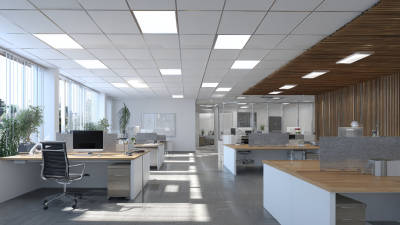
When choosing specialty LED bulbs, consider your specific needs. Different tasks require different lighting. For instance, a warm white bulb works well in living spaces. It creates a cozy atmosphere for relaxation. Conversely, bright white LED bulbs are ideal for workspaces. They enhance focus and productivity.
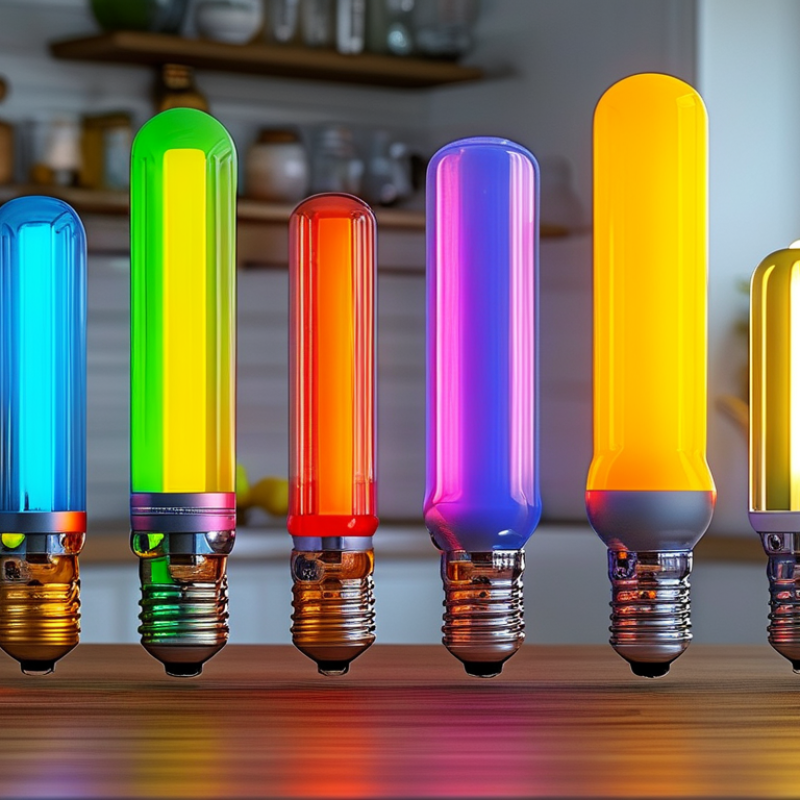
Mood lighting is another area where specialty LEDs shine. Colored LED bulbs can transform a room’s ambiance. They are perfect for parties or movie nights. You can choose from a spectrum of colors, making customization easy. However, it’s crucial to understand how colors impact emotions and experiences.
Not all specialized bulbs are created equal. Some may not emit accurate colors, affecting visual tasks like painting. It’s important to research color-rendering indices (CRI) for accurate light quality. Ideally, look for bulbs with a CRI above 90. Reflect on how different lighting affects your daily activities. This awareness may guide your decisions. Choosing the right specialty bulbs can create the perfect environment for work and leisure.
What is the Best Type of LED Bulbs for Your Needs?
This chart compares the lumen output of various types of LED bulbs commonly used for different applications. A19 bulbs are great for general lighting, while PAR38 bulbs provide higher lumen output ideal for outdoor or spotlight purposes.
Durability and Lifespan of LED Bulbs: What to Know
When choosing LED bulbs, understanding their durability and lifespan is crucial. Quality LED bulbs can last up to 25,000 hours or more, significantly outlasting traditional incandescent bulbs. According to a report from the U.S. Department of Energy, switching to LED can save about 75% on energy costs over time. This impressive longevity can lead homeowners to underestimate the importance of selecting the right product.
However, not all LED bulbs perform equally well under different conditions. For instance, extreme temperatures can affect the lifespan of these bulbs. Testing has shown that bulbs operating in high heat can fail up to 50% sooner than those in ideal temperatures. It is essential to consider the environment when purchasing. Some may assume all LEDs are resilient, but manufacturers’ claims need careful analysis. Look for bulbs rated for durability, especially if they will be used outdoors or in challenging environments.
Another notable aspect is the heat dissipation of LED bulbs. Poorly designed products can overheat, diminishing their lifespan. This is an area where consumers often overlook crucial details. Ensuring proper heat management can enhance the longevity of these bulbs. Therefore, investing in LED technology requires more than just focusing on upfront costs; it requires thoughtful consideration of the bulb's features and usage conditions.