Why is Water Jet Pressure Essential for Effective Cutting?
Water Jet Pressure plays a crucial role in effective cutting processes across various industries. The precision and efficiency of water jet cutting are deeply influenced by the pressure at which the water is delivered. According to a recent report by the International Water Jetting Association, the optimal pressure range for water jet systems typically falls between 30,000 to 100,000 psi. Achieving this pressure is vital for cutting materials such as metal, glass, and stone with high accuracy.
Numerous studies reveal that higher Water Jet Pressure can lead to faster cutting speeds and improved edge quality. For example, a technical analysis published in the Journal of Manufacturing Processes reports that increasing the pressure by even 5,000 psi can enhance cutting capabilities by nearly 15%. This data illustrates the significant impact of water jet pressure on productivity and cost-effectiveness. However, it is essential to balance pressure and other factors, such as nozzle size and abrasive materials, to ensure optimal performance.
While the benefits are clear, not all applications may require maximum pressure. Some materials, especially softer ones, might suffer from excessive force, causing unwanted damage. This is a common challenge for operators who must continuously adapt their techniques based on the materials they work with. A comprehensive understanding of Water Jet Pressure is, therefore, essential for achieving successful cutting outcomes.
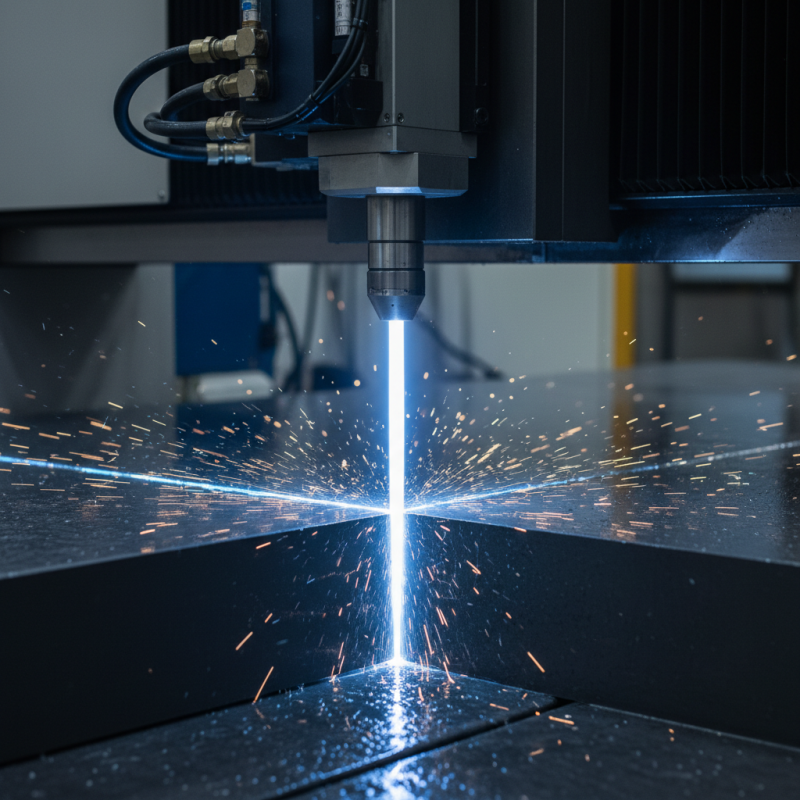
The Importance of Water Jet Pressure in Cutting Applications
Water jet pressure plays a vital role in cutting applications. It determines how effectively materials can be sliced through. High pressure creates a powerful water jet, enabling cutting through various materials like metal, glass, and stone. The pressure must be adequate to achieve clean cuts without causing material damage.
Tips: Always test pressure settings on scrap material. This ensures the desired cut quality without ruining your project. Adjustments might be necessary as different materials react uniquely.
Correct pressure not only improves accuracy but also affects speed. If the pressure is too low, the cutting process becomes inefficient. Conversely, excessive pressure can lead to unwanted abrasions on the material's surface. Finding the right balance is crucial.
Tips: Monitor the cutting results closely during your process. If edges are rough, rethink your pressure settings. Understanding the impact of water jet pressure takes practice and patience. Keep experimenting for better outcomes.
Understanding the Mechanisms of Water Jet Cutting Technology
Water jet cutting technology relies heavily on water jet pressure. The pressure determines how effectively materials can be cut. In this process, a high-pressure stream of water is focused into an extremely narrow jet. This jet then penetrates materials, creating precise cuts. The effectiveness of this method is linked to the pressure applied. Different materials require different pressure levels to achieve optimal results.
Understanding the mechanics behind water jet cutting is crucial for improvements. The energy from the pressurized water transforms into kinetic energy as it exits the nozzle. This transformation is essential for cutting through hard surfaces like metal or stone. The speed and velocity of the water jet create a dynamic process that can be adjusted based on material density. However, balancing the pressure and speed is a challenge. Too much pressure can cause splintering, while too little leads to incomplete cuts.
Moreover, the importance of water quality cannot be overlooked. Impurities in the water can affect performance. They may lead to wear and tear on the cutting equipment. Operators should also consider the angle of the jet. An optimal angle ensures better penetration. These details, though often subtle, play a significant role in the efficiency of water jet cutting technology. Understanding these factors can lead to more effective cutting solutions.
Why is Water Jet Pressure Essential for Effective Cutting? - Understanding the Mechanisms of Water Jet Cutting Technology
| Cutting Material | Recommended Pressure (psi) | Cutting Speed (in/min) | Thickness Limit (in) |
| Steel | 60,000 | 10 | 4 |
| Aluminum | 50,000 | 12 | 2 |
| Glass | 40,000 | 8 | 1 |
| Acrylic | 30,000 | 15 | 1 |
| Stone | 70,000 | 5 | 6 |
Optimal Pressure Levels for Different Materials in Water Jet Cutting
Water jet cutting is a precise technique that relies heavily on water pressure. The effectiveness of cutting varies significantly across different materials. For example, softer materials like foam require lower pressure levels, around 30,000 psi, to achieve clean cuts. In contrast, tougher materials like steel often necessitate pressures exceeding 60,000 psi. This difference underscores the importance of tailoring pressure to the material being cut.
Optimizing water jet pressure can lead to improved efficiency. Using the correct pressure minimizes wear on cutting nozzles and reduces material wastage. However, too much pressure can create issues such as excessive heat or material distortion. It is crucial for operators to regularly assess the pressure settings based on the specific project and materials involved. This involves a degree of trial and error, as minor adjustments can lead to better results.
Understanding these nuances is vital for achieving high-quality cuts. A common oversight is assuming a single pressure setting works for all applications. For instance, when cutting glass or ceramics, lower pressures prevent cracking. Ultimately, recognizing the need for different pressure levels fosters more effective cutting and can prevent potential setbacks in projects.
Impact of Pressure on Cutting Precision and Speed
Water jet cutting is a precision technique that relies heavily on pressure. The pressure level directly affects the cutting speed and accuracy. Higher pressure can penetrate thicker materials, making it possible to cut complex shapes. When using insufficient pressure, the cut might be jagged or incomplete. This impacts not only the appearance but also the material integrity.
Pressure variations can lead to inconsistent results. For instance, a slight decrease in pressure might create a slower cut, causing heat build-up. This can damage sensitive materials. Conversely, too much pressure can result in excessive wear on the cutting equipment. Thus, maintaining an optimal pressure balance is crucial for effective cutting.
Achieving the perfect pressure is not as straightforward as it seems. Each material reacts differently to pressure levels. Testing different settings allows for better understanding. Operators often note that adjustments can lead to unexpected outcomes. Reflecting on these experiences is vital. It enhances skills and improves overall cutting quality.
Industry Standards and Best Practices for Water Jet Pressure Management
Effective water jet cutting relies heavily on precise pressure management. Industry standards dictate that optimal pressure is crucial for various materials. High-pressure water jets, typically ranging from 30,000 to 90,000 psi, can penetrate tough materials like steel and stone. However, applying too much pressure can lead to issues. Overly intense streams may cause rough edges or material damage, requiring additional finishing work later.
Best practices emphasize regular calibration of the pressure system. Operators should routinely check gauges and ensure equipment is in good condition. A neglected water jet can underperform, leading to inefficiencies and waste. Training team members on the importance of pressure adjustments is also essential. Each material requires different settings, and knowing these can enhance cutting quality. Moreover, recording pressure settings during each job helps build a valuable reference for future projects.
Monitoring environmental factors is equally important. Changes in temperature or water quality can influence performance. A water jet's effectiveness diminishes if the water contains excessive debris. Operators must remain vigilant. Reflection on past projects can yield insights. Analyzing mistakes can help improve pressure management efforts and ultimately lead to more successful cuts in the future.

