What is a Vibratory Bowl Feeder and How Does it Work?
A Vibratory Bowl Feeder is a crucial tool in many manufacturing and assembly processes. It efficiently organizes and dispenses components for further handling. This device uses vibration to move and sort parts through specific pathways, saving time and enhancing productivity.
Understanding how a Vibratory Bowl Feeder works requires delving into its mechanics. The bowl is usually circular, allowing parts to move uniformly. The vibration is controlled, ensuring that the components reach their desired location without jamming. Despite its effectiveness, challenges can arise. Improper tuning can lead to uneven feeding or wear on parts.
The expertise in selecting and maintaining a Vibratory Bowl Feeder is essential. Correct setup is key to maximizing efficiency. However, mistakes can occur, impacting operations. Regular monitoring and adjustments are necessary for long-term success. Embracing this technology can streamline processes, but it demands careful attention and continuous improvement.
What is a Vibratory Bowl Feeder?
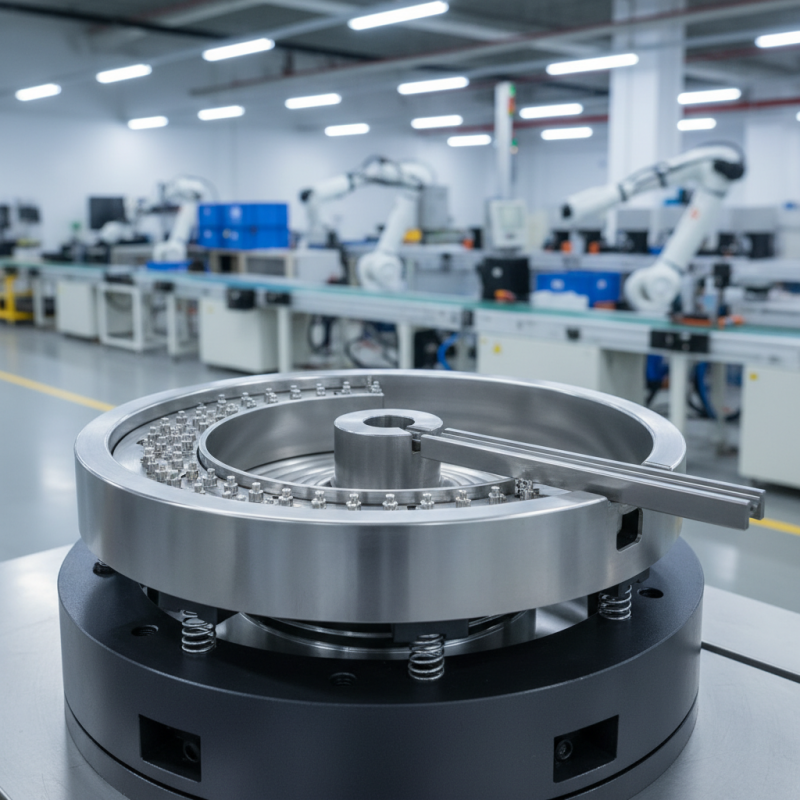
A vibratory bowl feeder is a device used for automatic part feeding and sorting. It consists of a bowl, which is typically made of metal or plastic, that vibrates to move parts along its surface. This motion orientates the parts and directs them toward a discharge point. Vibratory bowl feeders are frequently used in manufacturing, particularly in the assembly line context. They help automate processes, thus increasing efficiency.
According to an industry report by IBISWorld, the global market for vibratory feeders is expected to reach $1.4 billion by 2025. This growth is driven by increasing demand for automation in various sectors, especially pharmaceuticals and electronics. Various industries gain from the consistent feeding mechanism that these devices offer, enhancing production rates.
Tip: When selecting a vibratory bowl feeder, consider the material and shape of the parts you will be working with. The design of the bowl significantly affects its efficiency. A poorly designed bowl may lead to jams or misfeeds, causing delays in production. Ensuring that the feeder aligns with your part specifications can save time and resources in the long run.
Moreover, the vibration amplitude and frequency are crucial for proper operation. Low amplitude may result in insufficient movement, while high amplitude can cause parts to leap out of the bowl, leading to possible damage. It's essential to find a balance. Regular maintenance of the feeder can also prevent malfunctions and ensure consistent production flow.
Components of a Vibratory Bowl Feeder
A vibratory bowl feeder is an essential tool in automated assembly and manufacturing. Its components play a crucial role in ensuring efficiency and reliability. The primary elements include the bowl itself, which is designed to hold and organize parts.
Typically made of stainless steel, the bowl's surface facilitates smooth part movement through vibration.
The drive unit, often an electromagnetic device, generates the necessary vibrations. This unit is usually paired with a base that supports the bowl and provides stability. In addition, a spring system is employed to absorb vibrations and reduce wear. These components work in harmony to achieve precise part orientation, a key factor in reducing production downtime. According to industry reports, vibratory bowl feeders account for about 70% of part handling automation systems.
Tips: Regular maintenance of the bowl and drive unit is essential for optimal performance. Keep the bowl clean to prevent part jams. Also, consider the materials of your components to avoid corrosion and ensure longevity.
The importance of properly tuning the feeder cannot be overstated. An incorrectly adjusted drive can lead to inefficiencies. Parts may not separate correctly or might not flow as intended. Iterative adjustments are often necessary to find the perfect balance for different parts and environments. Staying informed about advancements in vibratory feeding technology can help improve your assembly lines.
How Vibratory Bowl Feeders Work: Mechanism Explained
Vibratory bowl feeders are essential in material handling and automation. They efficiently transport and orient parts in various manufacturing settings. The mechanism behind vibratory bowl feeders combines vibration and inclination. This unique design allows components to travel up the bowl’s spiral path and exit into a designated area.
The working principle relies on a controlled vibration created by an electromagnet or a piezoelectric actuator. This vibration causes the bowl to oscillate, generating a continual motion. According to the International Federation of Robotics, around 80% of all production lines use such feeders. They can handle diverse materials like metal, plastic, and glass.
However, the performance of vibratory bowl feeders can vary. Issues may arise from improper alignment or material characteristics. Studies indicate that about 15% of feeders experience frequent jams. Operators often need to fine-tune vibration settings and bowl angles for optimal flow. This reflects the complexity of mechanical handling solutions in the manufacturing industry.
Applications of Vibratory Bowl Feeders in Industry
Vibratory bowl feeders play a crucial role in various industries, enhancing efficiency and productivity. These automated systems are widely utilized in manufacturing and assembly lines to sort and orient components for further processing. According to a recent report by market research firms, the vibratory feeder market is expected to grow at a CAGR of 5.2% over the next five years, driven by demand in sectors such as automotive and electronics.
Applications of vibratory bowl feeders span diverse fields. In assembly lines, they are essential for feeding small parts, from screws to electronic components. In the pharmaceutical industry, they handle delicate items like capsules. The food sector also benefits, as vibratory feeders assist in processing ingredients like nuts or candies. Their adaptability to different materials showcases their importance in optimized production workflows.
Tips for maximizing vibratory bowl feeder efficiency include regular maintenance and ensuring proper tuning. A well-tuned feeder can significantly reduce waste and increase throughput. Additionally, monitoring component flow can prevent bottlenecks. However, challenges such as vibrational wear and noise pollution often arise, requiring continuous attention and adjustments. Addressing these issues helps maintain a smooth operation.
Advantages of Using Vibratory Bowl Feeders in Automation
Vibratory bowl feeders are essential tools in automation. They transport and orient parts efficiently. Many industries rely on them for an effective workflow. Using these feeders can enhance productivity significantly.
One advantage is their ability to handle various components. They are versatile and can manage different shapes and sizes. This flexibility saves time and reduces the need for multiple machines. However, maintenance is crucial. Regular checks can help prevent breakdowns. This attention ensures longevity and performance.
Tips: Ensure proper alignment of the bowl. Misalignment can cause jams or delays. Additionally, consider the material type. It can affect the feeding process and efficiency. Regular training for operators is beneficial too. Educated staff will manage the systems better.
Overall, vibratory bowl feeders streamline operations. Their design allows for smooth movement of products. Investing time in their maintenance and operation can yield remarkable results.

