Top Three Function Hospital Beds for Best Care Solutions?
In modern healthcare, providing optimal patient care is critical. A key element in this is the choice of hospital beds. Among various options, the three function hospital bed stands out for its versatility and functionality. According to a report by MarketsandMarkets, the hospital bed market is projected to reach USD 5.4 billion by 2025. This indicates a growing recognition of the importance of bed adaptability in patient treatment.
The three function hospital bed typically allows adjustments for height, head, and foot positions. This flexibility supports better patient comfort and enhances nursing efficiency. Studies suggest that appropriate bed positioning can significantly reduce the risk of pressure ulcers. However, not all facilities utilize these beds effectively, leading to potential compromise in patient care.
Inadequate training on the use of these beds may lead to underutilization of their features. It is crucial for hospital staff to understand how to maximize these functionalities. This ensures patients receive the best possible outcomes during their stay. Ultimately, the right equipment, including the three function hospital bed, is essential for achieving quality care in today's healthcare landscape.
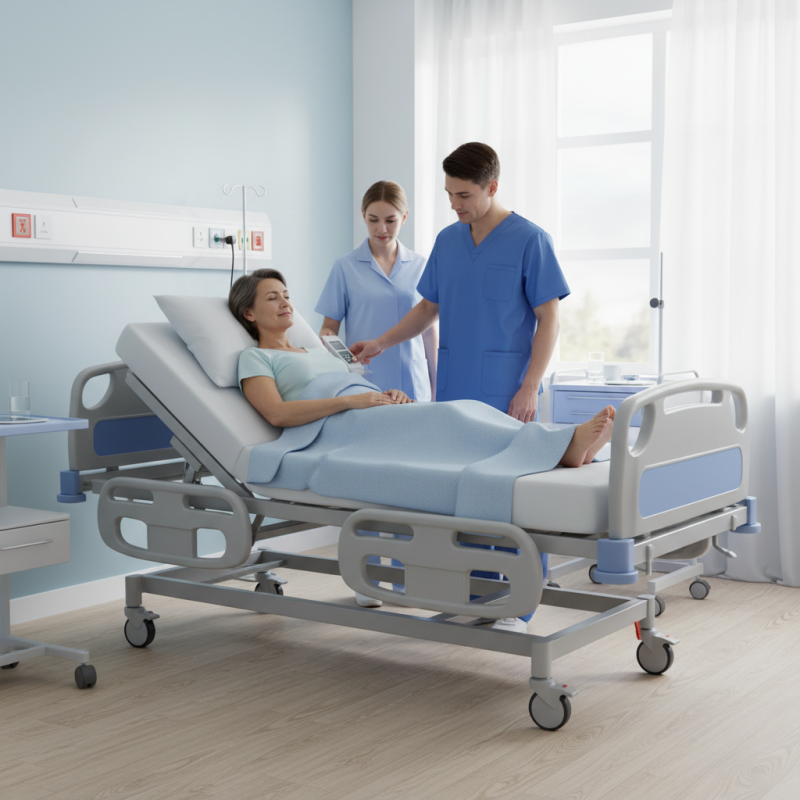
Overview of Function Hospital Beds in Healthcare Settings
Function hospital beds play a vital role in modern healthcare settings. They offer adjustable features that enhance patient comfort and care. These beds adapt to various positions, making it easier for healthcare providers to attend to patients’ needs. The ability to elevate the head or feet can improve circulation and aid in recovery.
In diverse healthcare environments, such as long-term care facilities or intensive care units, these beds support both patients and medical staff. For instance, they simplify repositioning, reducing the risk of strain on caregivers. However, not all function beds meet the specific needs of every patient. It's essential to assess individual requirements when selecting a bed.
While many beds are designed with ergonomics in mind, customization is often needed. Some patients may experience discomfort or limitations due to design flaws. Ensuring patient-centered care often requires ongoing evaluation of these beds. Understanding the unique needs of each patient can help improve their overall experience in the hospital.
Top Three Function Hospital Beds for Best Care Solutions
This bar chart illustrates the patient satisfaction ratings for the top three function hospital beds widely used in healthcare settings. Ratings are based on feedback from patients and caregivers regarding comfort and usability, showcasing the importance of choosing the right hospital bed for optimal patient care.
Key Features to Consider in Function Hospital Beds
When selecting functional hospital beds, several key features warrant careful consideration. Adjustability stands out as a top priority. Many patients require different positions for comfort and medical needs. A bed that smoothly transitions between lying, sitting, and reclining has a significant impact. It enhances both patient comfort and caregiver accessibility, allowing for easier interactions during treatments.
Weight capacity is another crucial feature. Hospital beds must support varying patient weights safely. Insufficient weight support can lead to accidents or bed malfunctions. Nurses and caregivers need to know the weight limits to ensure safety and compliance. Stability enhances the overall experience for patients and care professionals, promoting trust in the equipment.
Specialized materials can make a difference too. Beds should be easy to clean and resistant to wear. This choice not only ensures hygiene but also prolongs the lifespan of the equipment. However, not all materials balance comfort and durability effectively. An uncomfortable surface can lead to pressure sores, proving that careful deliberation on material is essential for optimal patient care.
Top Three Function Hospital Beds for Best Care Solutions
| Feature | Bed Model A | Bed Model B | Bed Model C |
| Adjustable Height | Yes | Yes | No |
| Side Rails | Foldable | Fixed | Foldable |
| Weight Capacity | 400 lbs | 350 lbs | 450 lbs |
| Mattress Included | Yes | Yes | No |
| Trendelenburg Position | Yes | No | Yes |
| Remote Control | Wireless | Wired | Wireless |
Top Three Function Hospital Beds: A Comparative Analysis
In the competitive healthcare industry, hospital bed design significantly impacts patient care. A recent report by the Healthcare Technology Association shows that 60% of healthcare professionals believe that advanced beds enhance recovery rates. The right hospital bed is essential for patient comfort and care efficiency.
Three-function hospital beds, equipped with adjustable height, tilt and backrest capabilities, offer flexibility for both patients and caregivers. These features facilitate better accessibility for nurses during routine care. A study by the Institute of Health Metrics indicates that improper bed positioning can lead to increased pressure ulcers, highlighting the need for adjustable solutions.
However, not all three-function beds perform equally. Some may lack or ease of use. Many caregivers have reported difficulties with controls, impacting workflow efficiency. Data from healthcare audits suggest that beds requiring frequent maintenance can disrupt patient care. It's essential to choose beds based on reliable performance data for optimal care outcomes.
Benefits of Using Function Hospital Beds for Patient Care
Function hospital beds play a crucial role in enhancing patient care. These beds are designed to offer comfort and accessibility for patients with varying medical needs. They allow for multiple adjustments, including height, head, and foot positioning, which can significantly improve patient mobility and overall comfort. Providing these options can help reduce the risk of pressure sores and improve circulation.
The benefits extend beyond just physical comfort. A well-adjusted bed can also positively impact a patient’s mental well-being. Patients feel more in control and comfortable when they can adjust their position. Accessibility features enable caregivers to provide better assistance without straining. This ease of use fosters a more collaborative environment, making both patients and caregivers feel more secure.
Despite these advantages, there are still limitations to consider. Not all patients may benefit equally from adjustable beds. Some may struggle with operating the controls or may not find them comfortable at all. This variability highlights the need for personalized assessments. Regular feedback from patients about their comfort levels should be sought. Care practices can only improve when continuous reflection and adaptation occur.
User Testimonials and Expert Reviews on Hospital Beds
When it comes to choosing the right hospital bed, user testimonials can offer valuable insight. Many patients express appreciation for adjustable beds. They often mention the relief they feel by changing positions easily. This feature helps with pain management and enhances comfort during recovery. Some users also note how these beds have improved their independence. Simple adjustments empower them to sit up or lie down without help.
Expert reviews highlight the importance of features like support and durability. Medical professionals emphasize that a sturdy bed can significantly impact patient care. A solid frame ensures safety, especially for those with mobility issues. Some experts point out that comfort is not just about softness. Proper support can help prevent pressure sores, which is crucial for long-term bed rest.
While there are many options available, not all beds are perfect. Some users report difficulty with particular models. Adjustments might be stiff or slow, and this can frustrate both patients and caregivers. Additionally, expert feedback occasionally reveals that the assembly process can be complicated. Although functionality is essential, the ease of use should not be overlooked.

