Panel Led Tips for Choosing the Best Lighting Solution?
In an era where energy efficiency and aesthetics are crucial, selecting the right lighting solution becomes paramount. Panel Led lighting has emerged as a popular choice for both residential and commercial spaces. According to lighting expert Dr. Emily Tran, "Panel Led lights transform spaces with their sleek design and efficiency." Her insight illustrates the significant impact these fixtures can have.
Choosing the right Panel Led solution involves understanding various factors. Light intensity, color temperature, and installation type need careful consideration. Many consumers struggle to grasp these aspects, leading to suboptimal choices. For instance, a bright, cool-white light may seem appealing, but it can create a harsh environment if not balanced correctly.
One common mistake is overlooking the size and layout of the space. A small room might need less intense lighting than a larger area. Therefore, proper assessment is critical. Also, many people forget to account for the function of the space. Poor lighting can negatively affect mood and productivity. Reflecting on these points can guide individuals towards a more informed decision.
Understanding Different Types of Panel Led Lighting Options
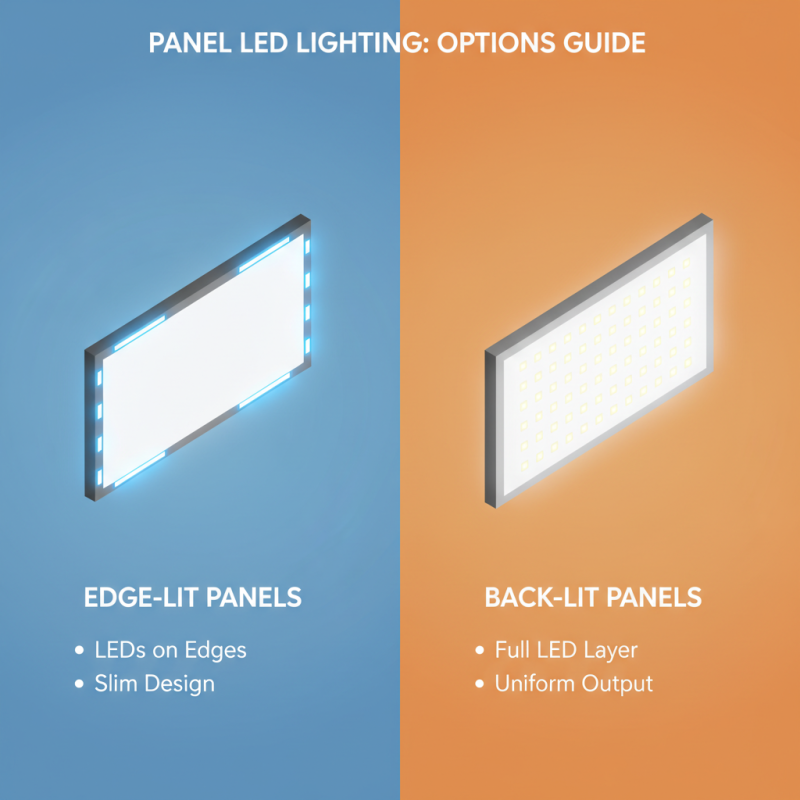
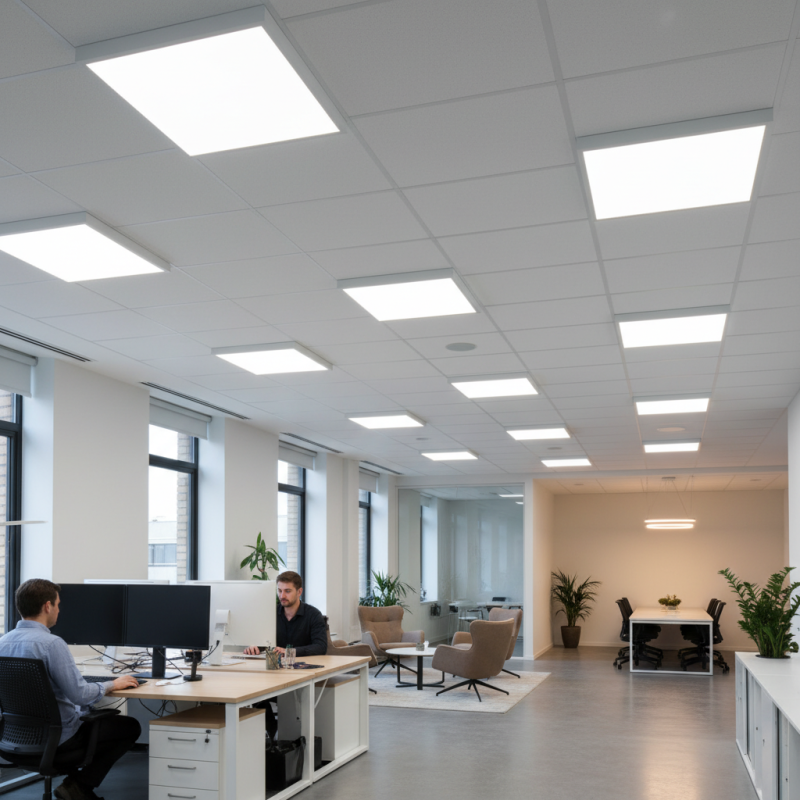
When selecting panel LED lighting, understanding the various options is crucial. There are edge-lit and back-lit panels. Edge-lit panels distribute light evenly by using LEDs placed along the edges. They are slim and blend well into ceilings. Back-lit panels, however, contain a full layer of LEDs behind the panel. This provides a more uniform light output.
Consider the application before deciding. For offices, bright white light may enhance productivity. In contrast, softer hues work better in lounges or homes. Adjustable color temperature options are also available. These allow users to change the lighting according to mood or time of day.
Keep in mind that not all panels are created equal. Some may flicker or have inconsistent brightness. It's essential to check reviews and specifications. Pay attention to terms like lumens and wattage. They directly affect brightness and energy consumption. There may be options that seem too good to be true. Always question their effectiveness and longevity.
Assessing Your Space Requirements for Optimal Lighting
When assessing space requirements for optimal lighting, consider room size and purpose. A small room benefits from bright, focused lighting. This enhances visibility without overwhelming the space. Conversely, a large area may require multiple light sources. This can create depth and prevent shadows.
Think about the furniture layout too. Placing lights near workstations boosts productivity, while softer lighting in relaxation areas sets a calming mood. Dimmer switches can adapt lighting to suit different activities. They allow you to switch from bright work tasks to cozy evenings.
Don’t forget about the color of your walls and furnishings. Light colors reflect more light, enhancing brightness. Darker tones absorb light, making the room feel smaller. It's a balancing act, and sometimes adjustments are needed. Test different setups before committing to a final arrangement.
Panel Led Tips for Choosing the Best Lighting Solution
When assessing your space requirements for optimal lighting, consider the following factors: Room Size (sq ft), Functionality, Lighting Intensity (Lux), and Color Temperature (K). The following chart illustrates the ideal lighting solutions for different room types.
Evaluating Energy Efficiency and Cost-Effectiveness
When evaluating energy efficiency and cost-effectiveness in lighting solutions, the details matter.
LED panels are becoming a popular choice due to their significant energy savings.
According to the U.S. Department of Energy, LEDs use at least 75% less energy than incandescent lighting.
This means lower electricity bills. However, initial costs can be unpredictable.
Selecting high-quality options can mitigate this risk.
Additionally, the lifetime of LED panels is noteworthy. Many can last up to 50,000 hours.
This longevity can lead to decreased replacement costs over time.
A report from the Lighting Research Center suggests that switching to LED can save businesses about
$1.5 billion annually in energy costs.
Still, not all LED panels are equal, and some may underperform.
Wattage doesn’t always translate to brightness. Some panels might consume more energy while offering similar illumination.
Consumers should evaluate lumens per watt, which measures efficiency.
The International Energy Agency highlights this as a key factor. While the upfront investment in quality LEDs can be higher,
the long-term savings are often justified. Balancing these factors can be tricky.
Users may need to do more research before making a final decision.
Considering Color Temperature and Brightness Levels
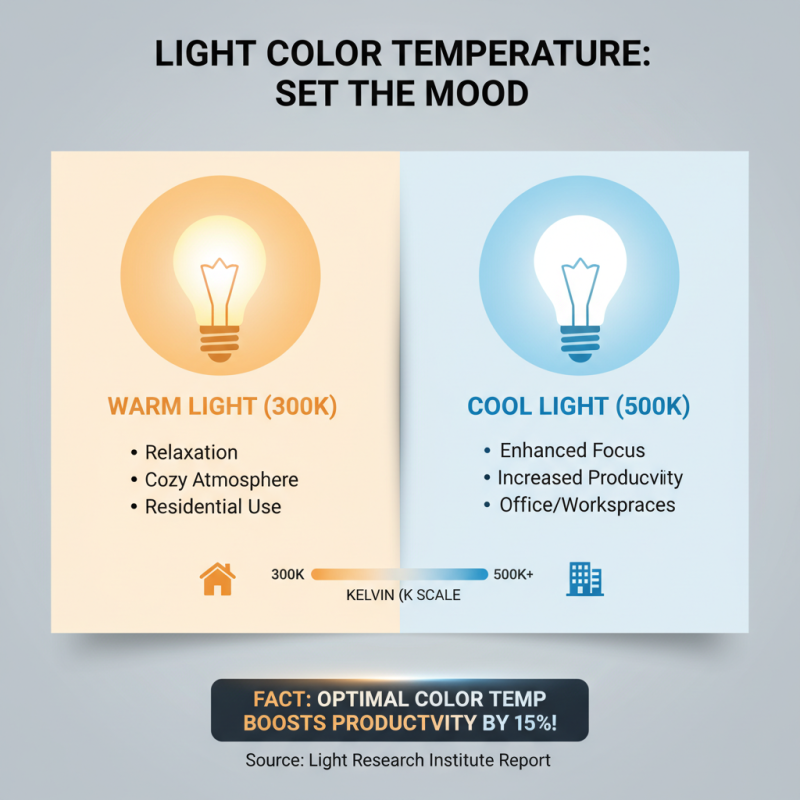
Color temperature plays a vital role in setting the mood of a space. It is measured in Kelvin (K). For example, 3000K produces a warm light, while 5000K offers a cooler tone. A report from the Light Research Institute highlights that well-chosen color temperature can increase productivity by 15% in office environments. Warm light promotes relaxation, useful in residential settings. Cooler light enhances focus, making it ideal for workspaces.
Brightness levels, expressed in lumens, also impact our experiences. Research indicates that light levels around 500-1000 lumens are ideal for reading, while a softer 200-300 lumens is comforting for living rooms. However, overly bright or dim lighting can lead to discomfort. Many users mistakenly choose bright, harsh lighting throughout. Yet, a range of brightness can create depth and interest.
Selecting the right lighting solution requires nuance. Too often, people overlook their specific needs. Ignoring personal preferences may lead to poor choices. Instead, consider your activities and how lighting can enhance them. Inadequate lighting can cause eye strain, affecting productivity and comfort. Thoughtful choices are essential for creating the right atmosphere in any space.
Reviewing Design Aesthetics and Installation Flexibility
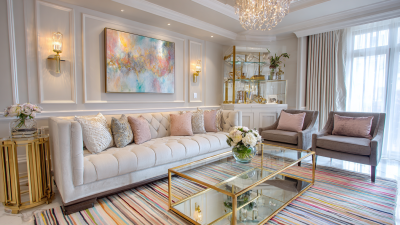
When selecting panel LED lights, design aesthetics play a critical role. These fixtures can enhance or detract from the overall look of your space. Consider the style of your room. If you have a modern interior, sleek and minimalistic designs are preferable. In contrast, traditional spaces may benefit from softer shapes and warmer tones. Sometimes, a fixture may look good on paper but clash with existing décor.
Installation flexibility is another crucial factor. Some panel lights are straightforward to install, while others may require professional help. Think about where the lights will be placed. For ceilings with different heights, adjustable fixtures can be a smart choice. Remember that not every light will fit every space. You may need to experiment to find what works best, which can lead to some trial and error. This process is not always perfect, but it allows for creativity.
Lighting can dramatically transform an environment. Take the time to visualize how the light will interact with your space. Poorly placed lights can create unwanted shadows or harsh reflections. This could lead to discomfort instead of illumination. A little reflection can lead to a stunning result. Balancing aesthetics with practical installation will yield the best outcome.