Top 5 Tips for Choosing the Best Light Panel for Your Needs?
Choosing the right light panel is crucial for various applications. In recent years, the demand for high-quality lighting solutions has surged. According to a study by Smith Research, the global market for light panels is expected to reach $5 billion by 2026. This statistic highlights their growing importance in both residential and commercial sectors.
Light panels provide excellent illumination and energy efficiency. They are often favored for their sleek designs and versatility. However, selecting the best option requires careful consideration. Different panels offer varying brightness levels, color temperatures, and sizes. A poor choice can lead to inadequate lighting or increased energy costs.
When evaluating light panels, think about your specific needs. Are you lighting an office or a home studio? Each environment demands different features. Quality can vary greatly between brands. Always check reviews and seek expert opinions. In a market flooded with options, finding the right light panel can be daunting. Understanding what to look for helps simplify the process.
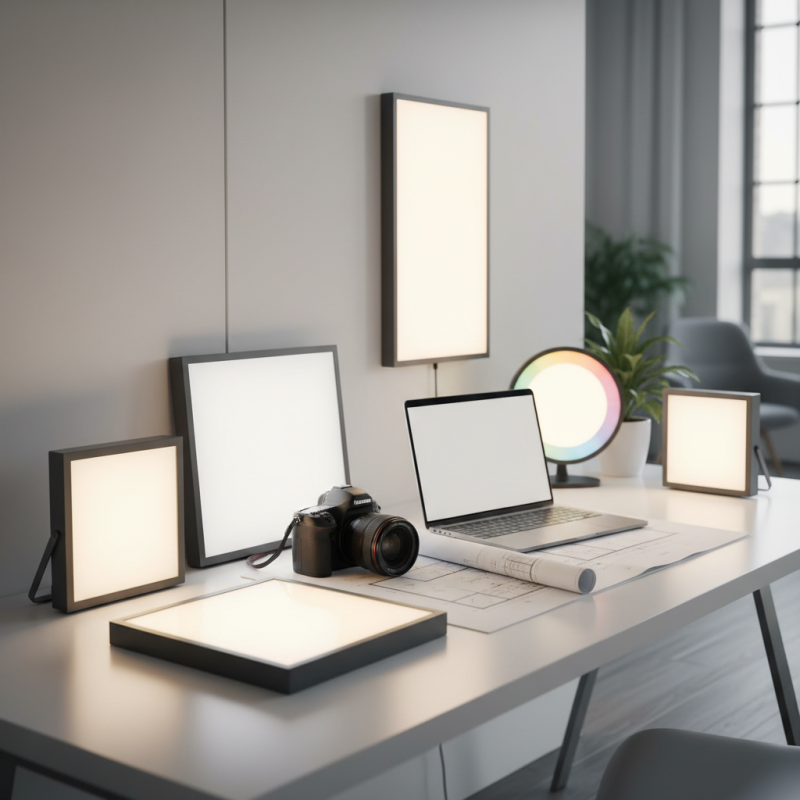
Understanding Your Lighting Needs and Objectives
Understanding your lighting needs is essential when selecting the right light panel. Begin by assessing the space where you'll use the panel. Consider the size, color, and purpose of the room. For instance, a home office may require bright, focused light, while a bedroom benefits from softer, warmer tones. Think about how you will use the light. Will it be for reading, video conferencing, or creating a mood?
Next, reflect on your objectives. Are you aiming to enhance productivity, create an ambiance, or support a creative project? Different activities require varying intensities and color temperatures. You might find that a cooler light helps you focus while a warmer tone relaxes you. Don’t ignore energy efficiency or longevity. A well-chosen panel can reduce energy bills and save you from frequent replacements.
Also, consider the potential drawbacks of your choice. Some panels may flicker or produce harsh light, causing eye strain. Read reviews and trust user experiences. These can reveal insights that specifications alone may not. Remember, it’s a balance between personal preference and functionality. Your needs may evolve, so remain open to adjusting your choices as you gain experience with different light panels.
Assessing the Space and Required Size of the Light Panel
When choosing a light panel, consider the space where it will be installed. A thorough assessment is crucial. Measure the area to ensure the light panel fits well and provides adequate illumination. A small panel in a large room may leave dark corners. Conversely, an oversized panel can overwhelm a compact space.
Determine the required size based on the intended use. For task lighting, a focused panel is beneficial. It provides bright light for specific tasks like reading or working. In contrast, if you need ambient lighting, a larger panel with softer diffusion is ideal. Think about the light’s placement as well. A panel hung at eye level often creates a more inviting atmosphere.
Here’s a tip: visualize the panel's effect in the space. Use a cardboard cutout to replicate its dimensions. This simple trick helps you foresee how the light will alter the ambiance. Reflect on how different sizes impact your environment. Sometimes, the perfect light panel might be unexpectedly smaller or larger than initially thought. Adjustments can lead to better lighting solutions tailored to your needs.
Top 5 Tips for Choosing the Best Light Panel for Your Needs
This chart illustrates the importance of various factors to consider when choosing a light panel, including space size, panel size, brightness level, energy efficiency, and cost.
Exploring Different Types of Light Panels and Their Features
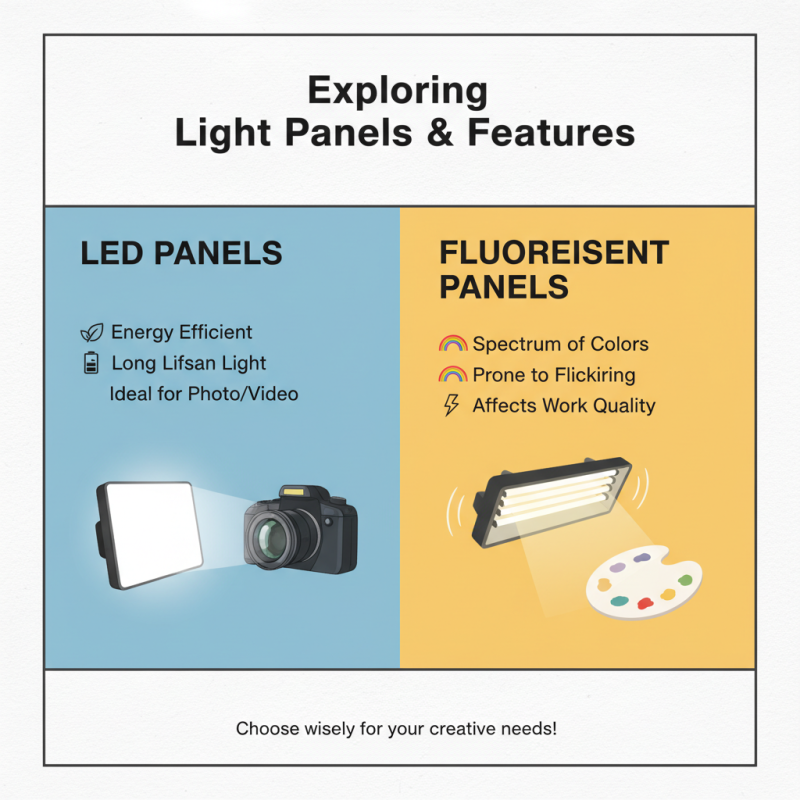
When selecting a light panel, it's crucial to understand the various types available. LED panels are well-known for their energy efficiency and longevity. They provide a bright, even light ideal for photography and video work. On the other hand, fluorescent panels are another option, offering a spectrum of colors. However, they often create flickering that can affect your work quality.
Consider the features of each type. Some panels allow for adjustable brightness, enabling you to control the intensity based on your needs. Others may include color temperature adjustments, which help create the desired mood. Look for panels with a good Color Rendering Index (CRI); a higher CRI ensures colors appear true to life.
Reflecting on your specific requirements is essential. Do you need mobility? If so, portable panels might be the best choice. If your focus is on professional results, invest in high-quality materials. Sometimes, the most expensive option isn't necessarily the best for your situation. Experimentation may be necessary to find what truly works best for you.
Evaluating Energy Efficiency and Lifespan of Light Panels
When considering light panels, energy efficiency and lifespan are crucial factors. LED light panels are often deemed a superior choice due to their lower energy consumption. According to the U.S. Department of Energy, switching to LED lighting can reduce energy costs by approximately 75% compared to traditional lighting options. This reduction in energy usage not only benefits your electricity bill but also contributes to a decrease in greenhouse gas emissions.
A key aspect of lifespan is the rated hours of usage. Many LED panels have a lifespan of 25,000 to 50,000 hours. This is significantly longer than fluorescent panels, which tend to last only about 7,000 to 15,000 hours. The extended lifespan of LEDs means fewer replacements and less waste over time. However, it's worth noting that the quality of materials can affect longevity; cheaper products may not deliver the promised durability.
Evaluate the lumens per watt to understand the efficiency better. A typical LED panel achieves around 80-100 lumens per watt, indicating high performance. Be cautious of panels that advertise high brightness but lack efficiency metrics. The relationship between energy consumption and light output is vital; efficiency should not come at the cost of performance.
Comparing Price and Brand Reputation for Value Choices
When selecting light panels, price and brand reputation significantly impact your decision. A recent report by the Lighting Research Institute indicates that nearly 60% of consumers prioritize these factors. Brand reputation often correlates with product reliability, which directly affects overall satisfaction. Brands with solid reputations tend to offer products that last longer. This can lead to lower overall costs, despite a higher upfront price.
The market is flooded with options at various price points. A survey by the Consumer Electronics Association found that consumers often misjudge quality based solely on price. A less expensive light panel may perform just as well as a premium option. Evaluating brand reviews and user experiences is crucial in this context. An informed decision will safeguard against the pitfalls of low-quality purchases, which can lead to dissatisfaction.
Consider also that not all popular brands uphold consistent quality. Some might expand their product lines without attention to detail. It's critical to research and connect with user feedback on individual products. Relying on statistics and expert reviews can guide you toward value choices. A balanced approach helps ensure you find a light panel that meets your specific needs without compromise.
Top 5 Tips for Choosing the Best Light Panel for Your Needs
| Feature |
Description |
Price Range |
Brand Reputation |
Value for Money |
| Brightness |
Measured in lumens, affects visibility and color accuracy. |
$50 - $200 |
High |
Excellent |
| Color Temperature |
Warm, Neutral, and Cool tones for different moods and settings. |
$40 - $150 |
Medium |
Good |
| Size |
Dimensions that fit your workspace, larger panels provide more light. |
$30 - $250 |
Variable |
Fair |
| Portability |
Weight and battery options for easy transport and setup. |
$20 - $180 |
High |
Excellent |
| Adjustability |
Ability to dim or change color settings for flexibility. |
$60 - $220 |
Medium |
Good |