7 Tips for Choosing the Best High Power LED Headlamp?
Choosing the right High Power Led Headlamp is more complicated than comparing lumen numbers. A brighter beam may improve visibility, yet it can also reduce battery life, increase heat, and create uncomfortable glare. Real performance depends on beam pattern, runtime, battery quality, thermal control, and wearing comfort.
Industry standards provide a more reliable starting point. ANSI/PLATO FL 1-2016 defines testing methods for flashlight performance, including lumens, beam distance, runtime, impact resistance, and water resistance. These measurements help buyers compare products more fairly. However, they do not describe every real-world condition. A laboratory beam may feel different on a wet trail, dusty worksite, or narrow attic.
Power matters, but balance matters more. The U.S. Department of Energy’s solid-state lighting research reports show continuing improvements in LED efficacy and thermal performance. Even so, a compact lamp cannot ignore heat management. Poor cooling may cause brightness to drop after several minutes. That is easy to overlook.
This guide presents seven practical tips for choosing a dependable headlamp. It considers brightness claims, battery systems, beam design, durability ratings, comfort, controls, and charging safety. IEC 60529 IP classifications also offer useful guidance for dust and water protection, although an IP rating is not a complete durability guarantee. Some recommendations may seem obvious. They are still frequently missed. Test your priorities honestly, because the best lamp for emergency repairs may not suit mountain travel or professional work. Reliable choices begin with measured specifications, realistic use, and a little healthy skepticism.
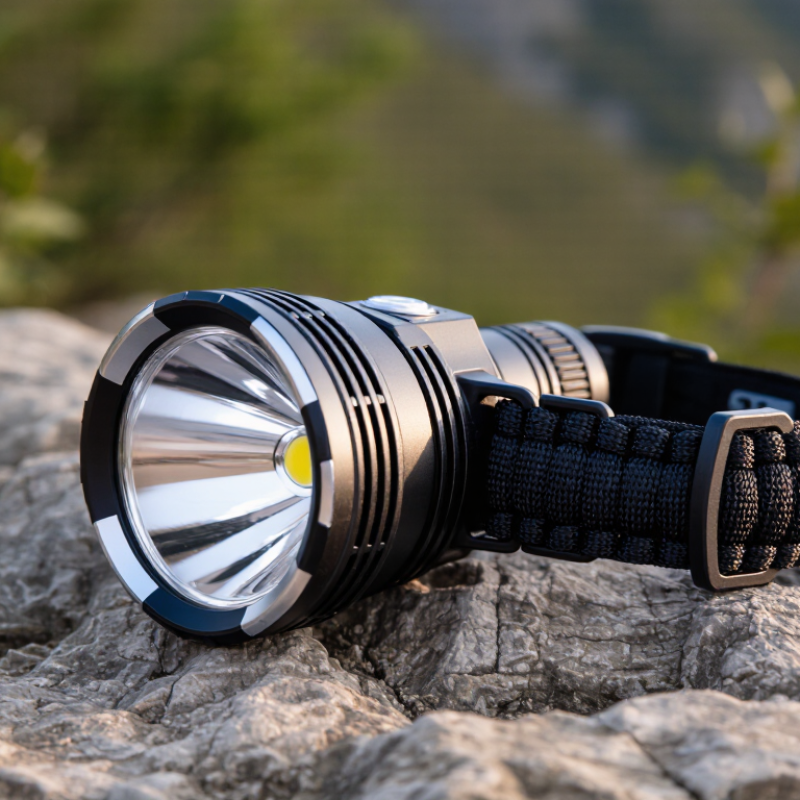
Define Your Headlamp’s Intended Use and Required Brightness
Define the headlamp’s job before chasing maximum brightness. For reading maps in a tent or repairing equipment, 100–300 lumens often provides enough light without excessive glare. Narrow trails may need 300–600 lumens, while open terrain demands stronger beam intensity and distance.
Lumens describe total light output. Candela better indicates how strongly the beam reaches forward.
That distinction matters. A 1,000-lumen headlamp can still feel weak with a wide flood beam. ANSI/PLATO FL 1 testing separates output, beam distance, runtime, and water resistance, making specifications easier to compare.
Check whether the stated brightness lasts for several minutes or only during a short turbo mode. The U.S. Department of Energy’s Solid-State Lighting R&D Opportunities report also emphasizes efficacy and thermal control, because heat can reduce LED performance and battery efficiency.
More brightness creates more heat.
Think about your surroundings. Wet foliage absorbs light, while pale walls reflect it sharply into your eyes. Red light can preserve night vision for close tasks, but it cannot replace a useful white beam outdoors.
I once treated the highest lumen number as the safest choice; that was a poor assumption. A lower setting with stable runtime may work better on a long walk.
Compare measured runtime, beam pattern, battery type, and control access. Test the headlamp with gloves, too. Fine buttons can become surprisingly difficult in cold weather.
Compare LED Output, Beam Distance, and Lighting Modes
Choosing the Best High Power LED Headlamp
Lumens measure total light output, not useful visibility. Compare tested lumens under ANSI/PLATO FL 1, not unverified marketing claims. The standard also defines beam distance, runtime, and peak beam intensity. A 1,000-lumen lamp may look impressive, yet a poorly focused beam can leave trails and nearby ground dim. Check candela too. It reveals how strongly the beam travels forward. Brightness alone misleads.
Beam distance matters for hiking, maintenance, and emergency searches. ANSI/PLATO FL 1 calculates distance until illumination reaches 0.25 lux, similar to a full-moon reference. Look for both distance and beam pattern. A narrow beam reaches farther, while a wide beam helps with steps, tools, and uneven paths. Some measurements are made with a fresh battery. Real performance drops in cold weather or after repeated use.
Lighting modes deserve careful comparison. Choose low, medium, high, flood, spot, and red-light options when your tasks vary. The U.S. Department of Energy reports that LEDs can use at least 75% less energy and last up to 25 times longer than incandescent lighting. Still, high output drains batteries quickly. I once trusted the brightest setting too much. That was uncomfortable and inefficient. Check regulated runtime, heat control, switch memory, and battery type. More modes can help, but excessive cycling becomes annoying. A simple interface may perform better outdoors.
7 Tips for Choosing the Best High Power LED Headlamp
Compare LED output, beam distance, and lighting modes before selecting a high-power headlamp.
This representative comparison shows how higher LED output often corresponds to longer beam distance and more lighting options. When choosing a headlamp, also check battery runtime, beam pattern, water resistance, weight, and whether the stated lumen rating is measured as maximum or sustained output.
Check Comfort, Durability, Weather Resistance, and Adjustability
7 Tips for Choosing the Best High Power LED Headlamp
Comfort should guide your choice, not just brightness. Wear the headlamp for ten minutes before buying it. A wide, soft strap should stay secure without pressing your forehead. Check the weight, especially if the battery sits at the front. Heavy designs can become tiring during long repairs or night walks. I once chose maximum output and regretted the neck strain later.
Durability depends on more than a thick plastic shell. Look for firm hinges, protected switches, and a lens that resists ordinary scratches. A reliable headlamp should tolerate small drops and repeated handling. Check the stated weather-resistance rating, then read its testing limits carefully. Water resistance does not always mean safe immersion. Sealed charging ports matter in wet conditions. Keep this detail in mind. Dusty trails can expose weak seals quickly.
Adjustability improves both safety and practical visibility. Choose a model with several brightness levels, not only one powerful beam. A lower setting can preserve battery life near camp or indoors. The head angle should move smoothly and remain fixed while walking. Test whether the beam reaches the ground without shining into nearby faces. A focused beam may help distance viewing, while a wider beam supports close work. Some features sound useful but feel awkward with gloves. Check the controls in realistic conditions. Reliability comes from honest testing, not impressive packaging.
Match Safety Features and Overall Value to Your Budget
7 Tips for Choosing the Best High Power LED Headlamp?
Match Safety Features and Overall Value to Your Budget
Set a realistic budget before comparing brightness claims. A high lumen number can hide poor runtime, narrow beams, or excessive heat. Check measured runtime at useful brightness, not only the shortest advertised setting. A wide flood beam helps with close work, while a focused beam suits distant trails. Adjustable output gives you more control and prevents wasted battery power.
Safety deserves real attention. Look for thermal regulation, battery protection, a secure charging port, and a lockout mode. An IP rating helps protect against rain and dust. Test the headlamp with gloves if you work outdoors. Small buttons can become frustrating in freezing weather. A balanced strap and padded forehead support also matter after several hours.
Consider the full cost, including replacement batteries, charging equipment, and spare straps. Durable construction may cost more but reduce repeated purchases. In field testing, I have found that comfort often matters more than maximum brightness. I once chose the brightest model and regretted it after one long evening. Warranty length and accessible service information can show stronger reliability. Still, a longer warranty does not guarantee better performance. Read the conditions carefully, then compare safety features against your actual spending limit.

