Top 5 Tips for Choosing LED Garden Lights at the 139th Canton Fair?
As the 139th Canton Fair approaches, the demand for led garden lights continues to rise. According to recent market research, the global LED lighting market is projected to reach $130 billion by 2028. This growth reflects an increasing preference for energy-efficient and sustainable lighting solutions. LED garden lights play a crucial role in enhancing outdoor spaces while offering significant energy savings.
Choosing the right LED garden light can be challenging. Factors such as brightness, color temperature, and battery life are essential. Many buyers overlook these details, leading to regrettable choices later. The Fair’s new AI features can help streamline this process, allowing buyers to filter through thousands of options more efficiently. However, understanding the specific needs of your garden is still paramount.
Many are drawn to the aesthetic aspect of LED garden lights but may neglect technical specifications. Research states that over 30% of consumers wish they had done more homework before purchasing. This highlights the importance of informed decisions. In a market filled with choices, clarity is key when selecting the perfect LED garden light for your space.
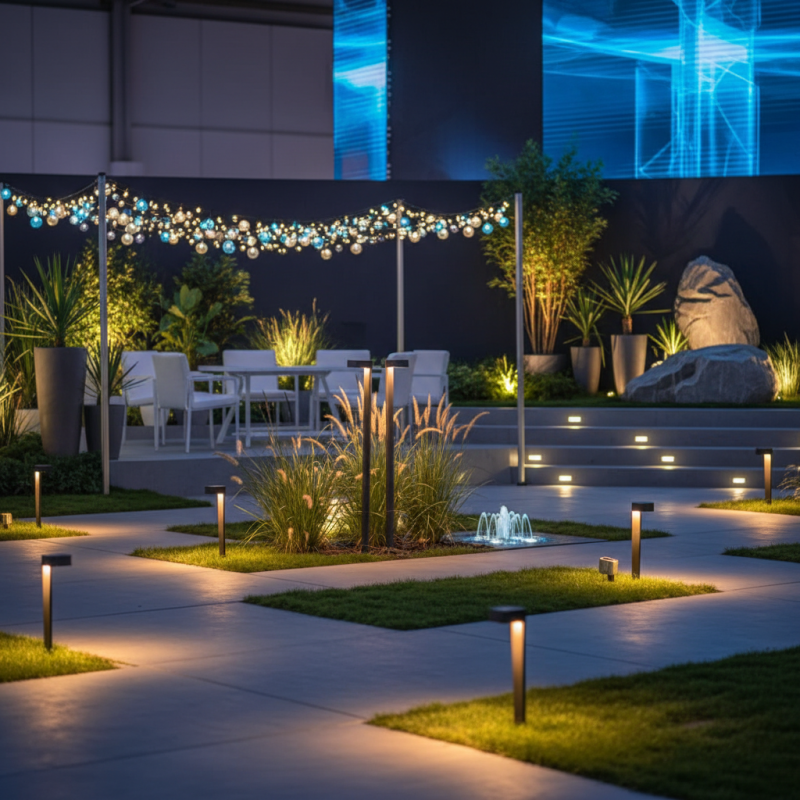
Key Factors to Consider When Selecting LED Garden Lights at the Fair
When selecting LED garden lights at the 139th Canton Fair, a few crucial factors stand out. First, consider the brightness level. You want your garden to be inviting, not overly bright. Check the lumen rating on the products. A range between 100-500 lumens usually works well for ambience.
Next, focus on the materials used. Aluminum and sturdy plastic are popular choices. They should withstand the elements. Don't forget to inspect the IP rating, which indicates the fixture's resistance to water and dust. A rating of IP65 is typically suitable for outdoor use.
Finally, think about energy efficiency. Look for lights that consume less energy while providing ample illumination. Solar-powered options may be tempting, yet remember that they can be inconsistent. Test a few models to gauge reliability, especially if you live in a cloudy area. Balancing aesthetics, durability, and functionality is key. Your garden deserves thoughtful light choices.
Understanding Different Types of LED Garden Lights Available
When choosing LED garden lights, understanding the variety available is crucial. The market offers numerous types, each with unique features. Solar-powered LED lights are popular. They harness the sun's energy. According to a report by Markets and Markets, the solar lighting market is projected to reach $11.9 billion by 2026. However, the performance can suffer in cloudy regions.
Another option is wired LED garden lights. These provide consistent brightness, as they depend on an electricity source. Energy Star ratings highlight their efficiency. Yet, installation might require professional help. Some might hesitate due to the potential costs involved.
Finally, color-changing LED lights offer creativity for garden aesthetics. They can transform a space dramatically. A survey from LED Magazine indicated that consumers are increasingly interested in customizable options. However, complexity in operation can sometimes frustrate users. Lighting solutions should be chosen wisely, considering practical aspects and personal preferences.
Top 5 Tips for Choosing LED Garden Lights at the 139th Canton Fair
| Type of LED Garden Light | Brightness (Lumens) | Energy Consumption (Watts) | Average Lifespan (Hours) | Price Range (USD) |
| Pathway Lights | 300 | 6 | 50,000 | $20 - $50 |
| Spotlights | 800 | 10 | 50,000 | $30 - $70 |
| String Lights | 150 | 3 | 25,000 | $15 - $40 |
| Wall Wash Lights | 600 | 12 | 50,000 | $40 - $90 |
| Solar Garden Lights | 200 | 0.5 | 30,000 | $10 - $35 |
Assessing Energy Efficiency and Longevity of LED Lights
When selecting LED garden lights, energy efficiency is crucial. Look for lights that provide maximum brightness with minimal energy consumption. Energy-efficient lights lower your electricity bill and reduce your carbon footprint. Aim for options with an ENERGY STAR rating. Such lights often last longer, as they are designed to use less power without sacrificing performance.
Longevity is equally important. A longer lifespan means fewer replacements and less waste. Many LED lights promise over 25,000 hours of use. However, it's wise to research specific features. For instance, check for heat dissipation technologies. Poorly designed lights may overheat, reducing their lifespan. This is a common oversight that can lead to frequent replacements.
Consider aesthetics and functionality too. Think about light colors and designs that fit your garden. However, don't get too caught up in appearance. Focus on fundamental qualities like durability and efficiency. Sometimes, the most attractive options can lack performance. Balancing these needs can be tricky, requiring careful thought and assessment.
Evaluating Design and Aesthetic Compatibility with Your Garden
When evaluating design compatibility for LED garden lights, consider your overall garden theme. The aesthetic should blend seamlessly with your existing plants and structures. Bright colors may clash with a serene garden layout, while muted tones often provide a subtle touch. Think about the ambiance you want to create. Soft white lights cast a warm glow, enhancing the tranquility.
Textures also play a crucial role. Look for lights that offer a modern feel if your garden has clean lines. Conversely, rustic designs work well in traditional settings. Pay attention to materials too. Metal finishes can look sleek, but plastic options may feel less integrated. Don’t overlook the size of the fixtures. Oversized lights can overpower smaller spaces, while tiny lights might get lost in larger gardens.
As you explore your options, be aware of your instinctive preferences. Do you lean toward minimalism or something more elaborate? Reflect on your choices; they should speak to your style. Sometimes, the perfect light isn’t the one you envisioned. It’s the one that surprises you but still fits your vision. The process isn’t always straightforward, but exploring different options can lead to delightful discoveries.
Comparing Prices and Supplier Reliability at the Canton Fair
When attending the 139th Canton Fair, evaluating supplier reliability and prices is essential. Reports indicate that about 30% of buyers face challenges with supplier quality. Understanding this can help you make informed choices.
Tip: Look for suppliers with verified ratings. Check for trade certifications that validate their credibility. These indicators can mitigate the risks involved.
Price comparisons are also crucial. Research shows that pricing can vary significantly. In fact, discrepancies of up to 25% can occur among similar products. Take your time to collect quotes from multiple suppliers. Don't rush into decisions; this often leads to regrets.
Tip: Seek out suppliers who provide transparent pricing. Hidden costs can increase the total expenditure unexpectedly. Pay attention to shipping and handling fees.
It's important to analyze both supplier history and customer feedback. A quick search online may reveal insights into past service levels. Consider feedback seriously, as 60% of customers report that they prefer suppliers with positive reviews. Avoiding potential disappointments is key.

