How to Use Solar Inverters for Maximum Energy Savings?
Solar energy is a rapidly growing field, offering sustainable solutions to modern energy needs. Among the essential components of solar energy systems are solar inverters. These devices play a key role in converting sunlight into usable electricity. Understanding the Uses Of Solar Inverters can significantly impact your energy savings.
By converting direct current (DC) from solar panels into alternating current (AC) for household use, inverters maximize efficiency. They monitor energy production and provide data on system performance. These functions help users optimize their energy consumption and reduce waste. However, it is crucial to choose the right type of inverter for your needs. The market presents various options, including string inverters, microinverters, and power optimizers.
While solar inverters offer many advantages, there are challenges. For instance, inverter efficiency can fluctuate based on environmental factors. Regular maintenance is essential to ensure longevity and reliability. Users must be informed to make the best decisions regarding their solar systems and energy savings. Understanding the uses of solar inverters can lead to substantial financial benefits over time.
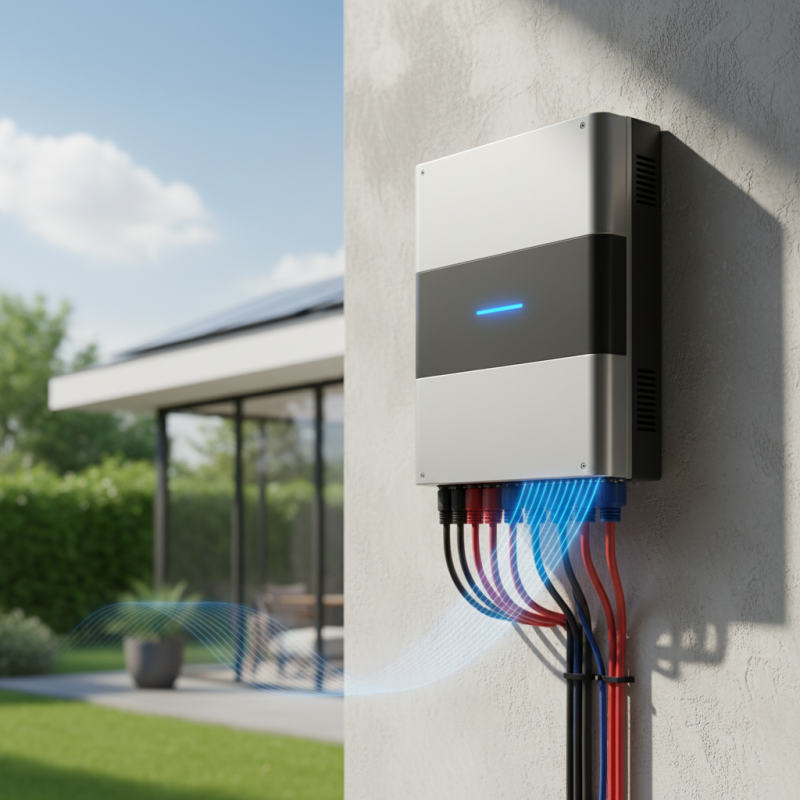
Understanding the Basics of Solar Inverters and Their Functionality
Solar inverters play a crucial role in harnessing solar energy efficiently. They convert direct current (DC) from solar panels into alternating current (AC), which powers our home appliances. Understanding how inverters work is essential to maximize energy savings. A good inverter also optimizes energy output, especially on cloudy days. This optimization can have a direct impact on your electricity bill.
Different types of solar inverters cater to various needs. String inverters are common in residential setups, linking multiple panels together. They are often cost-effective but can be less efficient if one panel is shaded. Microinverters offer individual panel management, enhancing output in shaded conditions. However, they may involve higher upfront costs. Evaluating your home’s layout and shade patterns can guide your choice.
Installation quality is another factor that can affect performance. A poorly installed inverter might underperform or require frequent maintenance. Regular monitoring is vital to ensure it runs optimally. Homeowners should invest time in understanding their inverter's specifications and functionalities. Unforeseen issues can arise, making awareness crucial for troubleshooting. An informed decision leads to better energy savings long-term.
How to Use Solar Inverters for Maximum Energy Savings? - Understanding the Basics of Solar Inverters and Their Functionality
| Parameter | Details |
| Type of Inverter | String Inverter |
| Efficiency | 95% - 98% |
| Installation Cost (Approx.) | $1,000 - $3,000 |
| Lifespan | 5 to 10 years |
| Warranty | 5 to 12 years |
| Key Feature | MPPT (Maximum Power Point Tracking) |
| Grid Connection | Yes |
| Off-Grid Capability | Optional with Battery Systems |
| Common Brands | Various brands available |
Types of Solar Inverters: Choosing the Right One for Your Needs
When selecting a solar inverter, understanding the types is crucial. There are three main categories: string inverters, microinverters, and power optimizers. String inverters consolidate energy from multiple panels. They are cost-effective and efficient in setup. However, if one panel is shaded, the entire system's performance can decline. This limitation may lead to potential energy loss.
Microinverters offer enhanced performance at a higher price. Each panel gets its own inverter, maximizing output even in partial shade. They provide detailed data for each unit, which can be useful for troubleshooting. Power optimizers sit between the two. They enhance output like microinverters but still connect to a string inverter. This balance can be beneficial for larger installations.
Choosing the right inverter involves assessing your specific needs. Consider factors like shading, panel layout, and budget. Reflect on the long-term performance versus initial costs. Not all installations necessitate the most advanced technology. Sometimes, a simpler solution might fit better. Each option presents trade-offs, indicating the importance of informed decisions.
Key Features of Solar Inverters that Enhance Energy Efficiency
When considering solar inverters for energy efficiency, several key features should stand out. A good solar inverter should possess a high conversion efficiency rate. Typically, top models reach conversion rates of 95% or higher. This means less energy is lost during the conversion from direct current (DC) to alternating current (AC). The higher the efficiency, the more savings you generate on your electric bill.
Another important aspect is the inverter's ability to perform under various conditions, like shade or different temperatures. Some solar inverters have advanced features that optimize performance in these situations. For instance, they can manage individual panel output, maximizing energy capture. This adaptability can be a game-changer for homeowners with trees or buildings nearby that create shade at different times of the day.
Monitoring capabilities also play a vital role in enhancing energy efficiency. Inverters that offer real-time data on energy production allow you to track performance. This information can help you identify problems quickly, such as underperforming panels. Sometimes, issues like dust or debris can sneak up unnoticed. Regular checks based on monitoring data ensure you maintain peak efficiency in your solar system.
Energy Efficiency of Different Solar Inverter Types
This chart illustrates the energy efficiency of various types of solar inverters, showcasing how microinverters typically deliver the highest efficiency compared to other inverter types.
Installation Tips for Optimal Solar Inverter Performance
When installing solar inverters, attention to detail can significantly enhance energy savings. Research indicates that properly installed solar inverters can increase system efficiency by up to 30%. This shows the importance of optimal installation practices.
Placement is crucial. Inverters should be located in a shaded, cool area to prevent overheating. Overheating can reduce efficiency and lifespan by 10% or more. Avoid direct sunlight exposure. Additionally, ensure that installation positions allow for easy access for maintenance. Regular checks can prevent critical failures and ensure consistent energy production.
Consider the angle and orientation of the solar panels. A tilt angle close to the latitude of your location often maximizes sunlight exposure. Proper alignment with the sun’s path enhances energy capture. Incorrect angles can lead to 15% loss in potential energy savings. Always consult design guidelines tailored to your region.
Maintain your systems. Dust and debris can block sunlight from reaching the solar panels. Clean them regularly and inspect connections. Neglecting these details could lead to inefficiencies. Regular maintenance ensures that your solar inverter operates at peak performance over the long term.
Maintenance Practices to Ensure Longevity and Efficiency of Solar Inverters
Regular maintenance of solar inverters is crucial for their longevity and efficiency. Inverters convert solar energy into usable electricity. If they malfunction, the entire system's performance can drop significantly. Periodic inspections help identify potential issues early. Checking connections and wires must be part of the routine.
Cleaning the inverter is important too. Dust and debris can accumulate over time. This can cause overheating. A simple wipe-down can enhance airflow. Monitor the inverter's performance metrics regularly. Sudden drops in efficiency should prompt immediate action.
Consider professional maintenance. While this may incur costs, it often saves money in the long run. Professionals can offer insights based on experience. They can spot issues that might go unnoticed. However, even after professional service, users should remain vigilant. No system is infallible. Keep a log of maintenance activities to track performance over time. Regular documentation can reveal patterns and help in future diagnostics.

