How to Safely Use Talcum Powder for Everyday Needs?
talcum powder has been a staple in many households for decades. Its soft texture and absorbent properties make it ideal for various everyday needs. However, concerns have emerged about its safety. It's essential to use talcum powder wisely.
Using talcum powder can enhance comfort, especially in hot weather. It helps reduce friction and keeps skin dry. Yet, improper use might cause issues. For instance, inhalation can be harmful. Applying in overly large quantities can lead to skin irritation.
As you incorporate talcum powder into daily routines, consider your application methods. Use it sparingly, focusing on problem areas. Do not forget to choose quality products. Reflect on your habits, and prioritize safety in your choices.
Understanding Talcum Powder and Its Uses
Talcum powder, derived from talc, has various everyday uses. It's commonly used for absorbing moisture, reducing friction, and keeping skin dry. Many people apply it after showering or when exercising. This provides a refreshing feeling. However, the safety of talcum powder has raised concerns over the years.
While many enjoy its benefits, it's essential to use it wisely. Choose talc-free options if there are worries about potential risks. Always keep talc away from the face and avoid inhalation. Do not use it on broken skin, as this can lead to irritation. It's worth considering alternatives for sensitive areas. Many people may prefer cornstarch as a safer option.
Understanding its properties helps in making informed choices. Some may notice that talcum powder works well for them, while others might experience skin issues. Each person's skin reacts differently. Therefore, testing a small amount on a less sensitive area is wise. This trial-and-error approach can lead to better experiences with body care products.
Benefits of Talcum Powder for Everyday Applications
Talcum powder has been a staple in many households due to its versatility. Its absorbent properties make it beneficial for managing moisture. According to the American Academy of Dermatology, many people use talc to prevent rashes and chafing in sensitive areas. This application is especially valuable in hot or humid weather, where sweat can lead to discomfort. Talc helps to keep skin dry, providing a sense of relief in everyday situations.
Moreover, talcum powder can be used in personal care routines. Many people sprinkle a little on their hair to absorb excess oil. In 2020, a survey indicated that 35% of individuals preferred talc for oil control over other products. It can freshen shoes and keep them smelling pleasant.
However, users should consider potential risks. While the powder is generally safe, some studies have raised concerns regarding inhalation. Dust clouds may irritate lungs, especially for those with respiratory issues.
Reflecting on those everyday uses leads to questions about safety. Users are encouraged to apply it sparingly, ensuring it is not used in enclosed spaces. It’s crucial to assess both the benefits and potential concerns regularly. As with many household items, ongoing awareness and responsible usage are essential.
Safety Precautions When Using Talcum Powder
When using talcum powder, safety precautions are essential. Always choose a quality product free from additives. Look for packages that state "talc-free" if you're concerned about purity. The skin is sensitive, and irritating substances can cause discomfort. It’s crucial to apply the powder lightly. Too much can create a mess and may not be effective.
Avoid using talcum powder in areas with open wounds or broken skin. These spots can irritate more easily. Inhaling the powder should also be avoided, as it can cause respiratory problems. Use it in well-ventilated spaces. Be mindful of how much you apply and where. A little can go a long way, but excessive use can be problematic.
Don't forget to check for any skin reactions after use. If you notice redness or irritation, stop using it immediately. Test the product on a small area of skin before widespread application. Sometimes, our skin might react unexpectedly. Reflecting on your experience with talcum powder can lead to better usage. It’s important to learn what works best for you while ensuring safety at all times.
Alternatives to Talcum Powder for Personal Care
Alternatives to talcum powder abound for personal care routines. Cornstarch is a popular choice. It absorbs moisture effectively. This natural alternative is gentle on the skin. Many people prefer it for use in areas prone to chafing. Consider using it after a shower for a fresh feeling.
Baking soda is another option. It neutralizes odors and keeps you feeling dry. Mix it with essential oils for a soothing scent. However, it's important to test it first. Some individuals have sensitive skin. Another alternative worth exploring is arrowroot powder. It acts similarly to cornstarch but offers an earthy touch. Dusting it lightly in specific areas can help absorb sweat and keep skin comfortable.
Natural options can sometimes be messy. They might not have the same silky feel as talcum powder. Life is about finding what works best for you. Experimenting with different substances can lead to delightful discoveries. You may blend powders to find your ideal mix. Always listen to your skin's response.
Usage of Talcum Powder and Alternatives in Personal Care
Proper Techniques for Applying Talcum Powder Safely
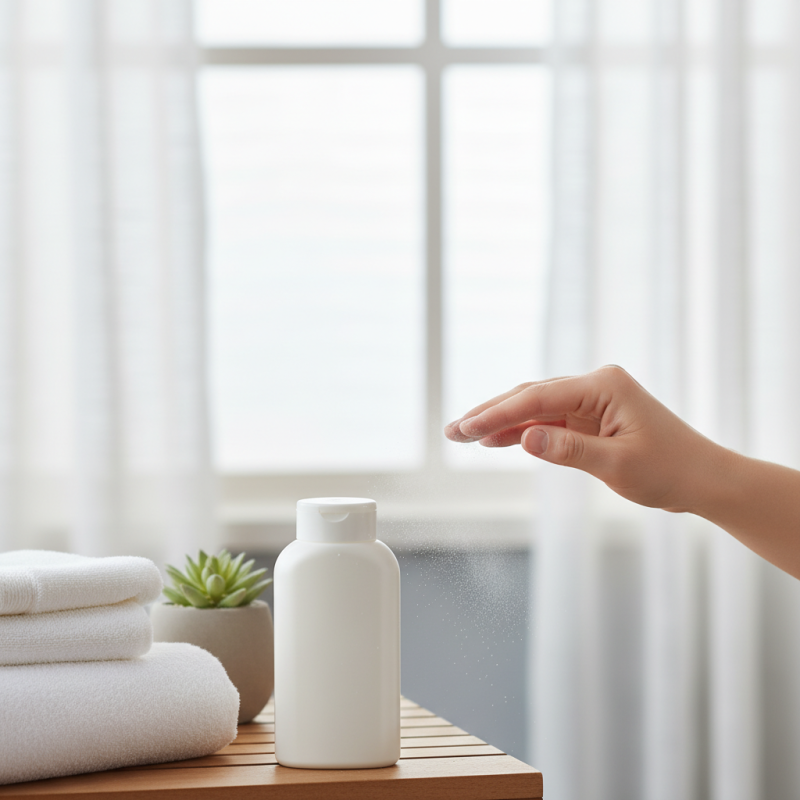
Using talcum powder can be a daily routine for many. However, applying it safely is crucial. It’s important to choose the right setting for application. A well-ventilated area is ideal. Dust can easily become airborne, and you don’t want to inhale particles. Always hold the container away from your body. This prevents excess powder from settling on your skin.
When applying, use a light hand. A small amount goes a long way. Too much talc can clump and create discomfort. Pay attention to your skin’s response. If irritation occurs, it may be time to rethink your method. Consider using a puff or an applicator for more focused application. This technique keeps the powder in targeted areas, reducing the risk of inhalation.
Remember, talcum powder isn’t always necessary. Some may overuse it, thinking it’s essential for freshness. Reflect on your habits. Evaluate if it truly benefits you. Be cautious and monitor how your skin reacts over time. Aim for balance and comfort when incorporating talcum powder into your routine.