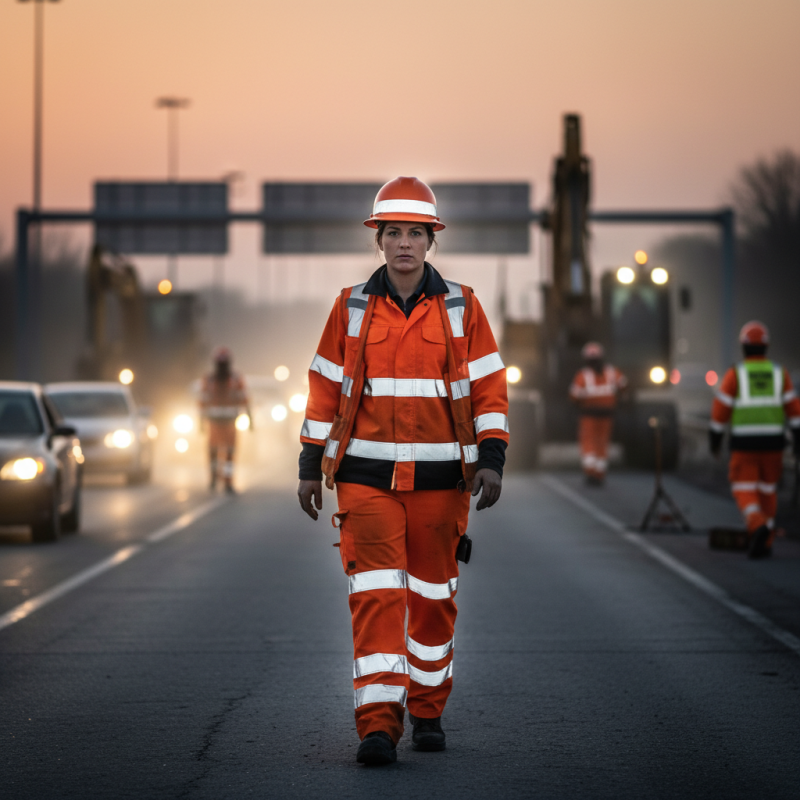
What is Reflective Workwear and Why is it Important in 2026
In 2026, the importance of reflective workwear cannot be overstated. According to the Bureau of Labor Statistics, about 35% of workplace injuries occur in low-visibility conditions. This highlights the essential role of reflective gear in ensuring worker safety.
reflective workwear significantly reduces the risk of accidents, particularly in high-risk environments like construction and roadwork. The National Institute for Occupational Safety and Health reports that visibility plays a crucial role in preventing accidents. Yet, many companies still overlook the necessity of appropriate gear.
Some workers resist wearing reflective workwear, believing it to be uncomfortable or unnecessary. This mindset can lead to serious repercussions. Improved safety protocols need to educate workers about the benefits and comfort of modern reflective materials. As workplaces evolve, so should our commitment to protecting employees effectively.
What is Reflective Workwear and its Definition in 2026
Reflective workwear is specialized clothing designed to enhance visibility in low-light conditions. This type of workwear features reflective materials that bounce light back to its source. In 2026, the significance of reflective workwear has escalated dramatically, especially in industries like construction and emergency services.
Many workers spend hours in poorly lit areas. Accidents can occur if visibility is compromised. Reflective workwear provides an added layer of protection by ensuring that workers can be seen from a distance. Employers and workers alike often overlook this essential safety gear. While one might assume they are safe, the reality is often different. There are numerous accounts of near-misses due to inadequate visibility.
The visual aspect of reflective workwear is striking. Bright colors combined with reflective stripes create a stark presence. Yet, not all workers feel comfortable in such attire. Some might find it cumbersome or even unattractive. So, the question remains: are we fully embracing the potential of reflective workwear? In a world where safety is paramount, these garments should not be an afterthought.
Key Features of Reflective Workwear for Enhanced Visibility
Reflective workwear is crucial for safety in various industries. In 2026, heightened visibility is more than a trend; it's a necessity. Statistics reveal that high-visibility clothing reduces the risk of workplace accidents by 30%. This is especially important in environments with low light and high traffic.
Key features of effective reflective workwear include bright colors and high-visibility reflective strips. These elements enhance visibility, ensuring that workers are seen from a distance. Materials should be durable yet lightweight, allowing comfort during long hours. A report from the Occupational Safety and Health Administration emphasizes that good design can lead to better acceptance and wear among employees.
Tips: Always check for the latest safety standards before purchasing. Ensure your gear fits well and allows for ease of movement. Regularly inspect clothing for wear and tear. Ignoring small damages can lead to bigger safety risks down the line. Reflective workwear should be a routine part of your safety checklist. Consider the environment when selecting your gear; different settings may demand specific features.
Safety Regulations and Standards for Reflective Workwear in 2026
Reflective workwear plays a crucial role in ensuring safety across various industries. Safety regulations have evolved significantly, especially in 2026. According to the Occupational Safety and Health Administration (OSHA), more than 40,000 injuries occur each year due to insufficient visibility of workers. Regulations now mandate that workers in high-risk environments wear reflective gear. This gear increases visibility, especially in low-light conditions, reducing accident rates.
In 2026, new standards emerged, focusing on the quality and brightness of reflective materials. The National Institute for Occupational Safety and Health (NIOSH) highlights that garments must meet specific reflectivity levels for optimal effectiveness. For instance, reflective materials should have a minimum brightness of 300 candela per lux per square meter. It’s alarming to note that many workers still ignore these guidelines. Some feel uncomfortable in bulkier gear or believe regulations don't apply to them. This mindset could lead to serious consequences.
Companies are encouraged to invest in training programs regarding reflective workwear. They must understand the connections between proper gear and accident prevention. A study by the Safety Equipment Institute reveals that organizations compliant with reflective standards saw a 25% reduction in workplace injuries. Yet, many employees remain disengaged or unaware of these statistics. Improving training efforts and fostering a culture of safety are essential steps in addressing these gaps effectively.
Industry Statistics on Workplace Accidents and Reflective Gear Impact
In 2026, workplace safety remains a major concern. Statistics reveal that around 2.8 million nonfatal workplace injuries occur annually in the United States alone. Reflective workwear serves a crucial role in preventing these incidents. The use of reflective gear can reduce the risk of accidents, particularly in high-visibility jobs such as construction and roadwork.
A report by the National Institute for Occupational Safety and Health highlights that reflective apparel decreases accident rates by 20%. Workers on roadways are particularly vulnerable. Many accidents happen during low-light conditions, where visibility is compromised. In 2025, over 70% of roadway construction accidents involved visibility issues. Without adequate reflective gear, workers are left exposed to these risks.
Despite advancements, many industries still lag in adopting reflective clothing. Some workers remain unaware of the benefits of high-visibility apparel. Inadequate training and lack of access still exist in different sectors. Reflective workwear not only enhances safety but also promotes a culture of care in the workplace. Creating awareness can lead to a decrease in incidents, but it's clear that more action is needed.
Reflective Workwear Impact on Workplace Safety in 2026
The chart above illustrates the significant impact of reflective workwear on workplace safety in 2026. It shows that workers wearing reflective gear experience notably fewer accidents compared to those without such protective equipment, highlighting the importance of implementing reflective workwear standards in various industries.
Future Innovations in Reflective Workwear Technology and Design
Reflective workwear is evolving rapidly, especially in 2026. Innovations in technology lead the way in enhancing visibility and safety. New materials are being developed to reflect light more effectively. These materials are lightweight and durable. Workers can stay safe without feeling weighed down.
Design is also changing significantly. Styles are becoming more modern and appealing. Reflective workwear no longer looks bulky or unattractive. Some designs now resemble casual clothing. This shift attracts a wider range of users. Employees can feel comfortable and stylish while ensuring their safety on the job.
Yet, challenges remain. Manufacturers must balance functionality and aesthetics. Some reflective materials may not perform as expected. Testing and feedback are crucial in this process. Users need designs that work in all conditions. Ideal reflective workwear should be functional but appealing. Innovation is a journey, and there’s always room for improvement.