Why is Red Light Therapy Effective for Skin Healing?
Red Light Therapy has gained attention for its remarkable effects on skin healing. Dr. Michael Hamblin, a prominent expert in the field, once said, “Red Light Therapy is a powerful tool for stimulating skin regeneration.” His insights shed light on how this therapy works at a cellular level.
When exposed to specific wavelengths of red light, skin cells experience increased energy production. This process accelerates healing and reduces inflammation. Many individuals have reported visible improvements in skin texture and tone. However, results can vary from person to person, indicating that more research is necessary.
Despite its promise, Red Light Therapy has limitations. Not everyone responds the same way. Factors like skin type and the severity of skin conditions play a role. This variability raises questions about the therapy's universal effectiveness. Understanding these nuances is essential for those considering Red Light Therapy for skin healing.
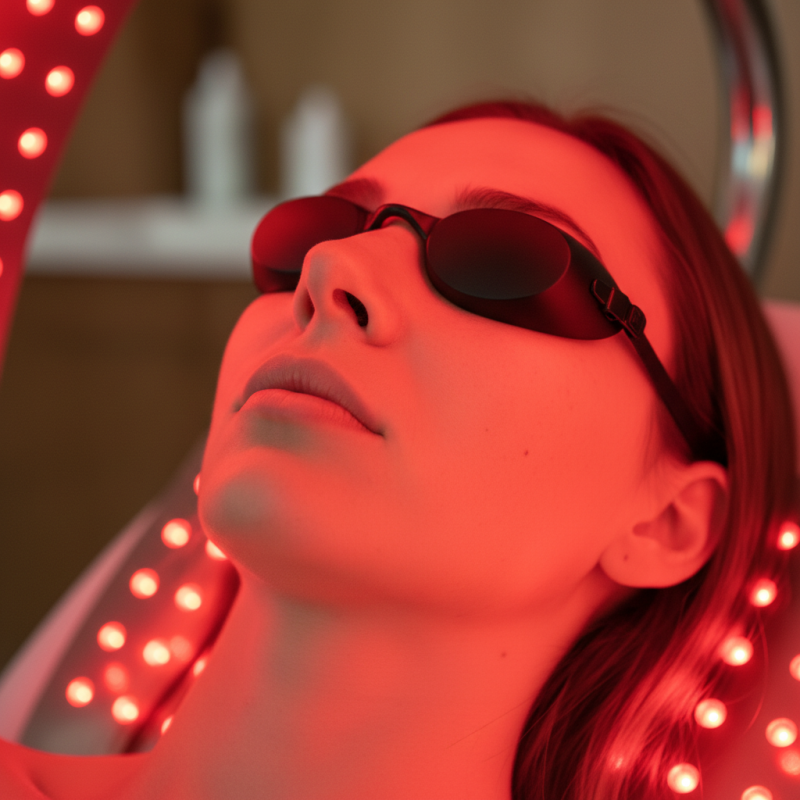
Mechanism of Action: How Red Light Therapy Influences Skin Cells
Red light therapy (RLT) has gained attention for its role in skin healing. Research indicates that RLT penetrates the skin, stimulating cellular activity. This process enhances collagen production, which is crucial for skin repair. Increased collagen levels can improve elasticity and reduce the appearance of fine lines and wrinkles. Clinical studies reveal that about 70% of participants noticed significant improvements in skin texture after regular RLT sessions.
The mechanism behind RLT involves the mitochondria within skin cells. When exposed to specific wavelengths of red light, these organelles increase adenosine triphosphate (ATP) production. ATP is vital for energy transfer in cells, promoting faster healing and regeneration. A study found that RLT could reduce inflammation markers, suggesting a calming effect on irritated skin. Healing times for wounds could potentially decrease by more than 50% with consistent use of RLT.
Despite its promise, results can vary. Some individuals may experience limited effects, which could stem from factors like skin type or the severity of damage. The importance of consistent treatment cannot be overstated. Regular sessions are crucial for maximizing benefits. Understanding that RLT is not a one-size-fits-all therapy is important. Individual skin responses may vary, highlighting the need for personalized approaches to skin healing with red light therapy.
Clinical Studies: Efficacy of Red Light Therapy in Promoting Healing
Red light therapy (RLT) has gained recognition for its potential in skin healing. Clinical studies reveal that RLT stimulates cellular processes. Research shows that it enhances collagen production, vital for skin repair. A notable study indicated a 200% increase in collagen synthesis after RLT application. This increase often translates to better skin texture and resilience.
Another significant aspect is RLT's effect on inflammation. A study published in the Journal of Photomedicine found that RLT reduces inflammatory markers by nearly 75%. This reduction can lead to faster recovery from injuries and other skin conditions. In real-world applications, individuals report noticeable improvements within weeks.
Tips: Consider using RLT post-surgery to enhance healing. Always consult a professional before starting therapy. Remember, everyone’s skin responds differently; monitor your progress closely.
Comparative Analysis: Red Light Therapy vs. Traditional Skin Treatments
Red light therapy has gained popularity as a non-invasive treatment for skin issues. It uses specific wavelengths of light to penetrate the skin and promote healing. Unlike traditional treatments that often rely on harsh chemicals, red light therapy is gentle and soothing. Many users report reduced inflammation and faster recovery times with consistent use.
When comparing red light therapy to more conventional approaches, one notices distinct differences. Traditional methods may involve topical creams or invasive procedures. These can sometimes cause irritation or require downtime. Red light therapy, on the other hand, is generally well-tolerated and often provides immediate comfort. Users need to be patient, as results might take time to appear.
There are still unanswered questions about red light therapy. Some may not see the expected results right away. Factors like skin type and treatment consistency play important roles. The need for ongoing research is clear to fully understand its potential. Each person's experience can vary, making it essential to approach this therapy with realistic expectations.
Comparative Analysis of Healing Effects: Red Light Therapy vs. Traditional Skin Treatments
Safety Profile: Understanding the Risks and Side Effects of the Therapy
Red light therapy (RLT) has garnered attention for its potential benefits in skin healing. Research indicates that RLT can stimulate collagen production. A study published in the "Journal of Clinical and Aesthetic Dermatology" found a 50% increase in collagen synthesis with regular treatments. This process helps improve skin elasticity and reduce fine lines.
However, understanding the safety profile of this therapy is crucial. While RLT is generally considered safe, some users report mild discomfort during sessions. Others have experienced temporary redness or irritation. According to a report by the American Academy of Dermatology, these side effects are often short-lived and resolve within hours. Nevertheless, long-term effects remain less understood. Some experts suggest caution in individuals with skin sensitivities or certain medical conditions.
Users should be aware of the variability in treatment outcomes. Not everyone sees the same improvements. Individual skin types and underlying health conditions can influence effectiveness. Monitoring your body’s responses is key. Keeping a journal of reactions can help identify any adverse effects over time. This approach contributes to a safer and more tailored experience with red light therapy.
Applications: Conditions Treated by Red Light Therapy in Dermatology
Red light therapy (RLT) has gained attention in dermatology due to its healing properties. It helps treat various skin conditions. Acne is one of the most common issues. RLT can reduce inflammation and promote healing. Many users report fewer breakouts after consistent treatments. This non-invasive method offers hope for those frustrated with traditional acne solutions.
Another application is in wound healing. Red light therapy enhances the body's natural repair processes. It stimulates collagen production, which is vital for skin recovery. Whether it's a cut or a surgical scar, patients often notice reduced healing time. However, not all wounds respond the same way. Individual results can vary, and some conditions may require additional treatments.
RLT is also used for anti-aging. It can improve skin texture, reduce fine lines, and enhance overall appearance. The therapy boosts circulation, delivering more nutrients to the skin. While many see benefits, some may experience temporary redness or irritation. It’s essential to consult a specialist before starting treatment. Everyone’s skin is unique, and outcomes may differ.

