What is the Purpose of Street Lights and How They Enhance Safety
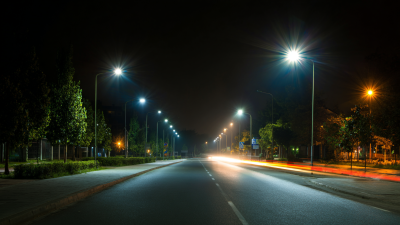
Street lights play a crucial role in enhancing the safety and functionality of urban environments. By illuminating roadways and public spaces, these essential fixtures not only increase visibility for drivers and pedestrians but also deter potential criminal activities that thrive in darkness. The presence of street lights fosters a sense of security, encouraging people to engage in evening activities while reducing the likelihood of accidents or untoward incidents.
Moreover, street lights contribute to the overall aesthetic appeal of urban areas. Well-lit streets and public spaces invite people to gather, socialize, and enjoy their surroundings, thus promoting a vibrant community atmosphere. The strategic placement and design of street lights can transform an otherwise uninviting area into a welcoming environment, enhancing the overall quality of life for residents and visitors alike. By examining the multifaceted purpose of street lights, we can better appreciate their significance in fostering safe and inviting public spaces.

Understanding the Functionality of Street Lights in Urban Areas
Street lights play a critical role in enhancing safety in urban areas, primarily by improving visibility and reducing the likelihood of accidents. According to a report by the National Highway Traffic Safety Administration (NHTSA), nearly 50% of all traffic fatalities occur at night, highlighting the importance of effective street lighting. Adequate illumination not only helps drivers navigate safely but also instills a sense of security in pedestrians and cyclists. Furthermore, urban environments enriched with well-maintained street lights tend to experience a decrease in crime rates, as illuminated areas deter potential criminal activity.
To maximize the effectiveness of street lights, municipalities should consider implementing smart technology. For instance, adaptive lighting systems that adjust brightness based on real-time traffic conditions can improve energy efficiency and reduce operational costs. A study conducted by the Institute of Transportation Engineers revealed that cities employing such systems saw a 30% reduction in energy consumption. Regular maintenance of street lighting infrastructure is also crucial; malfunctioning lights can create hazardous conditions, which may lead to accidents and increased crime.
Tips for Enhancing Street Light Safety:
- Conduct routine inspections of street lights to ensure all are functioning properly.
- Utilize energy-efficient LED technology, which not only saves electricity but provides better quality light.
- Engage with the community to identify poorly lit areas that may require additional lighting installations for improved safety.
The Role of Street Lighting in Enhancing Public Safety and Security
Street lighting plays a crucial role in enhancing public safety and security, significantly impacting crime rates and traffic accidents. According to a report by the Illuminating Engineering Society, improved street lighting has been associated with a reduction in crime by up to 30%. Well-lit streets discourage criminal activity by increasing visibility, making it harder for perpetrators to conceal their actions. Furthermore, adequate lighting helps pedestrians and drivers navigate roadways safely, reducing accidents, especially during nighttime when visibility is compromised.
Tips for leveraging street lighting for safety include ensuring uniform distribution of light across neighborhoods to eliminate dark spots, which can be hotspots for crime. Additionally, communities should advocate for smart lighting systems that adjust brightness based on activity levels, maintaining safety while minimizing energy waste. Regular maintenance of existing lighting infrastructure is also vital; malfunctioning lights diminish safety and can lead to increased vulnerability in areas often frequented by pedestrians.
Another study reveals that 60% of pedestrians feel safer crossing streets with proper lighting, underscoring the importance of investment in community lighting projects. Collaborating with local authorities to gather feedback on lighting needs and concerns can further enhance safety in public spaces. As cities evolve, prioritizing effective street lighting solutions will not only promote safety but also encourage greater community engagement and use of public areas after dark.
Impact of Street Lighting on Public Safety
Types of Street Lights and Their Impact on Visibility at Night
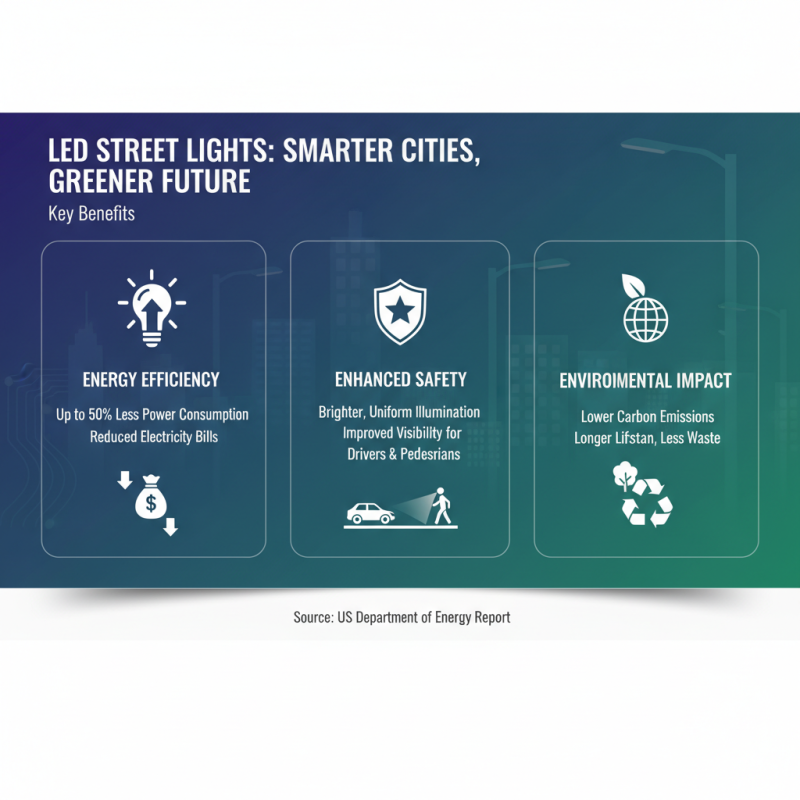
Street lights play a crucial role in enhancing visibility and safety during nighttime. There are various types of street lighting systems, each designed to provide optimal illumination tailored to specific environments. For instance, LED street lights are gaining popularity due to their high efficiency and long lifespan. According to a report by the U.S. Department of Energy, LED street lighting can reduce energy consumption by up to 50% when compared to traditional high-pressure sodium lights. This reduction in energy costs not only benefits municipalities financially but also contributes to lower carbon emissions, promoting a greener environment.
Moreover, the type of street light installed can significantly affect visibility levels, which in turn influences pedestrian and vehicular safety. A study conducted by the Institute of Transportation Engineers indicates that improved lighting quality, particularly through higher color rendering indices found in modern lights, can reduce nighttime accidents by as much as 30%. Enhanced visibility assists drivers in spotting pedestrians and cyclists more effectively, while well-lit intersections reduce the likelihood of collisions. Therefore, investing in appropriate street lighting not only serves the purpose of illumination but also plays a vital role in urban safety and overall community well-being.
Technological Advancements in Street Lighting and Safety Features
Technological advancements in street lighting have transformed urban landscapes, significantly enhancing safety for pedestrians and drivers alike. Modern street lights now incorporate LED technology, which not only provides bright, uniform illumination but also consumes less energy compared to traditional lighting. This shift has made it feasible for cities to increase the density of street lighting, illuminating areas that were previously dark, thus deterring crime and increasing the sense of safety among residents.
In addition to improved luminosity, many contemporary street lights are equipped with smart technology. These systems often include features such as motion sensors and adaptive lighting, which adjust brightness based on pedestrian and vehicle traffic. This not only conserves energy but also ensures that streets are well-lit during peak hours while reducing light pollution during quieter times. Moreover, some innovations integrate real-time monitoring capabilities, enabling municipalities to respond quickly to outages or maintenance needs, further ensuring safety in urban environments. With these advancements, street lighting has evolved into a proactive measure that enhances community safety and navigational confidence.
What is the Purpose of Street Lights and How They Enhance Safety - Technological Advancements in Street Lighting and Safety Features
| Feature |
Description |
Benefits |
Technological Advancements |
| Illumination |
Street lights provide visibility for drivers and pedestrians at night. |
Enhances road safety and reduces accidents. |
LED technology for brighter and more energy-efficient lighting. |
| Crime Prevention |
Well-lit areas deter criminal activities. |
Increases public safety and security. |
Smart lighting systems with motion sensors that adapt to activity levels. |
| Aesthetic Appeal |
Street lights enhance the visual appeal of streets and parks. |
Improves community pride and ambiance. |
Design innovations that integrate with urban landscape design. |
| Accessibility |
Guides pedestrians and cyclists safely through urban areas. |
Promotes walking and cycling by improving confidence in safety. |
Adaptive lighting that adjusts based on time and weather conditions. |
| Emergency Response |
Improves response times for emergency services. |
Faster assistance for accidents or emergencies. |
Integration with public safety systems for real-time data updates. |
Challenges and Considerations in Street Light Implementation and Maintenance
Implementing and maintaining street lighting systems is fraught with challenges that require careful planning and consideration. One significant issue is the initial cost of installation. According to a report by the International Energy Agency, the average capital cost for street lighting ranges between $12,000 to $20,000 per installation, depending on the technology used and specific site conditions. This upfront investment often deters municipalities from expanding or upgrading their lighting systems, especially in urban areas with budget constraints. Furthermore, the ongoing maintenance costs can accumulate significantly over time, with estimates suggesting that municipalities should allocate approximately 10-20% of their total installation budget to regular maintenance and repairs.
In addition to financial concerns, there are also technical obstacles to effective street light implementation. Issues such as insufficient infrastructure to support new technologies, like LED lighting systems, can complicate upgrades. A survey conducted by the American Public Works Association indicates that nearly 30% of public works officials cited the lack of reliable infrastructure as a barrier to adopting advanced lighting solutions. Moreover, coordinating with utilities and navigating regulatory frameworks presents further complexities that can delay the deployment of effective street lighting solutions. As cities continue to grow, addressing these challenges is crucial for enhancing safety and ensuring that street lighting serves its intended purpose of improving public safety and security.