top of page

What Is an LED Panel and How Does It Work?

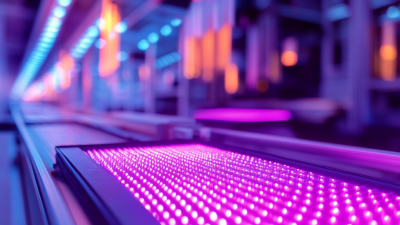
An Led Panel is a flat lighting or display surface built from many light-emitting diodes. Each diode converts electrical energy into visible light. In a display, groups of red, green, and blue diodes form pixels. Their brightness changes rapidly, creating colors, images, text, or video. In lighting applications, LEDs may sit behind a diffuser, producing a broad, even glow across a room, studio, shop, or outdoor sign.

The process begins with a power supply that delivers controlled voltage and current. A driver regulates this flow and protects the diodes from electrical stress. In a video panel, a control system sends data to individual pixels, while scanning circuits refresh the image many times each second. The result should appear smooth to the eye and camera. Heat still matters. Metal frames, ventilation, and heat sinks help move warmth away from the LED components. A hot panel can lose brightness or age faster.

Real-world performance depends on more than pixel count. Brightness, color accuracy, viewing distance, refresh rate, contrast, and protection ratings all affect the experience. A panel may look impressive in a showroom, yet perform poorly under direct sunlight. Specifications can also be confusing. They are useful, but not always complete. Careful testing remains important.

Understanding how a Led Panel works helps buyers, installers, and content creators choose equipment with greater confidence. The technology is efficient and flexible. It is not perfect. Better results require suitable power, responsible installation, accurate calibration, and regular inspection.

What Is an LED Panel and How Does It Work?

What Is an LED Panel?

What Is an LED Panel?

An LED panel is a flat lighting fixture that produces illumination through many light-emitting diodes. These tiny diodes sit behind or around a diffuser, creating an even, wide beam. A driver controls the electrical current and helps the panel operate safely. The frame, diffuser, heat-management layer, and mounting hardware complete the fixture.

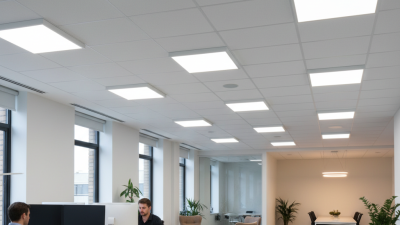
LED panels are common in offices, schools, clinics, shops, and homes. Their slim shape can fit suspended ceilings or surface-mounted locations. According to the U.S. Department of Energy, LED lighting can use at least 75% less energy and last up to 25 times longer than incandescent lighting. The International Energy Agency’s 2024 lighting analysis also identifies LEDs as the leading high-efficiency lighting technology worldwide. These figures describe potential performance, not every installation.

Small details matter. A panel with a poor diffuser may create glare, while inadequate heat control can shorten its useful life. Color temperature, color-rendering performance, brightness, and dimming compatibility also affect real results. A cooler panel may feel crisp in a workspace but uncomfortable in a bedroom. The definition is not perfectly uniform, either. Some people call LED display modules “panels,” although they show images rather than provide general lighting. That distinction can prevent an expensive misunderstanding. Personally, I would judge a panel by measured light quality, not its thin appearance. Slim is not always better.

What Components Make Up an LED Panel?

An LED panel is built from several coordinated parts, not just a sheet of bright lights. At its center are LED chips mounted on a printed circuit board. Each chip converts electrical energy into light when current passes through it. The board also provides wiring and helps position the chips evenly across the panel.

A regulated driver controls voltage and current for stable operation. Without this control, brightness may fluctuate, and the LEDs can age faster. Some panels include a control circuit for dimming, color adjustment, or scheduled operation. Connectors and cables carry power and control signals between the panel and external equipment. A diffuser spreads light across the surface, reducing harsh points and visible shadows. It also changes the panel’s appearance slightly. That trade-off is easy to overlook.

Heat management is equally important. LED chips produce less heat than many older light sources, but they still need a metal backing plate or heat sink. Thermal pads may transfer heat from the circuit board to the frame. In a well-built panel, the housing protects these parts from dust and accidental contact. Ventilation openings can help, although poorly placed openings may collect debris.

During installation, I check the driver rating, connector fit, and mounting surface before applying power. Small mismatches can create annoying flicker or uneven illumination. Specifications are useful, but real performance also depends on airflow, ambient temperature, and wiring quality. This is where many simple explanations fall short.

What Is an LED Panel and How Does It Work?

RGB LED Component Density by Pixel Pitch

An LED panel is built from LED modules, RGB LED packages, driver ICs, a receiving/control circuit, a power supply, and a supporting frame. The chart shows the calculated number of individual red, green, and blue LED chips used per square metre at common pixel pitches. A smaller pixel pitch produces higher image resolution and greater LED density.

Calculation basis: pixels per square metre = 1,000,000 ÷ pixel pitch². Each full-color pixel is represented as one RGB package containing three LED chips. Actual values can vary slightly because of module borders, package design, and panel layout.

How Does an LED Panel Produce Light?

An LED panel produces light through many small light-emitting diodes arranged across a flat surface. Each diode contains a semiconductor junction. When direct current passes through it, electrons meet positively charged spaces called holes. This movement releases energy as photons, which we see as light.

The light begins at the diode junction. It is usually colored blue, red, or green. To create white light, many panels place a phosphor coating over a blue LED. The coating changes part of the blue energy into yellow and red wavelengths. Our eyes blend these colors into white. The explanation sounds simple, but real color quality depends on the phosphor, diode materials, and electrical control.

A panel also needs a driver, circuit board, diffuser, and heat path. The driver supplies stable current, because small voltage changes can affect brightness and lifespan. The diffuser spreads bright points across the panel, creating a smoother surface. A metal backing moves heat away from the diodes.

Heat matters more than many first-time users expect. Excessive heat can reduce output and shift color over time. Some panels adjust brightness by rapidly switching the current, a method called pulse-width modulation. This can appear steady to the eye, yet cameras may record flicker.

I once assumed brightness alone showed panel quality. It does not. Color accuracy, thermal design, flicker control, and light distribution deserve equal attention.

How Are LED Panels Controlled and Powered?

An LED panel uses many light-emitting diodes arranged on a flat circuit board. Its driver converts incoming AC power into stable DC power. The driver also limits current, protecting the delicate diodes from overheating or sudden electrical changes.

Power and control are separate systems. A wall switch may provide simple on-and-off operation. More advanced installations use dimming signals, digital data cables, wireless commands, or motion sensors. The controller sends instructions, while the driver manages the electrical load. In display panels, control software can adjust brightness, color, images, and refresh rates. In lighting panels, pulse-width modulation can reduce brightness by switching the LEDs rapidly.

Check the rated voltage first. That matters. A mismatched power supply can cause flicker, weak output, or permanent damage. Panels also need adequate ventilation because heat shortens LED life. Installers should calculate total wattage before selecting the driver, leaving reasonable capacity instead of operating it continuously at its limit. A common mistake is treating every connector as interchangeable. They are not. Wiring polarity, data order, grounding, and connector ratings must match the panel’s specifications. Qualified electrical work is especially important near mains power. In practice, control problems are sometimes blamed on the panel, although the real fault may be a loose data cable or an overloaded driver. Temperature, cable length, and signal quality deserve inspection before replacing hardware.

Where Are LED Panels Commonly Used?

An LED panel is a flat lighting or display unit built from light-emitting diodes. In a lighting panel, many small diodes spread light through a diffuser. A driver converts incoming electricity into a stable current. In a video panel, individual diodes act as pixels. Changing their brightness creates images, text, and motion. The result can be bright, thin, and energy-efficient.

LED panels are common in offices, classrooms, hospitals, shops, studios, and warehouses. Their even light helps reduce dark corners above desks or workbenches. Retail spaces use display panels to attract attention and show changing prices or product information. Studios often choose them because brightness and color temperature can be adjusted quickly. Outdoor events, transport hubs, and building facades may use larger video panels for signs or live visuals.

Distance matters. Indoor panels with fine pixels look clearer when viewers stand close. Larger outdoor panels can use wider pixel spacing because people watch from farther away. Installation also requires attention to heat, ventilation, glare, wiring, and viewing angles. A poorly adjusted panel can cause eye strain or washed-out colors. They are not perfect. Some panels show uneven brightness, flicker, or color shifts over time. Checking measured brightness and color consistency is more reliable than trusting appearance alone. In my experience, the best choice depends on the room, viewing distance, and daily operating hours.

What Is an LED Panel and How Does It Work? - Where Are LED Panels Commonly Used?

LED Panel Category What It Is How It Works Typical Characteristics Common Applications
LED Lighting Panel A thin, flat light fixture designed to provide broad and relatively uniform illumination. An electrical current passes through light-emitting diodes. The LEDs produce light, while a diffuser and optical layer distribute it across the panel. Commonly available in square or rectangular formats; often uses an external or integrated LED driver; may support dimming and different color temperatures. Offices, classrooms, hospitals, retail interiors, corridors, kitchens, and other indoor spaces requiring even general lighting.
Direct-Lit Panel A lighting panel with LEDs positioned behind the front diffuser. The rear LED array emits light forward. A diffuser and internal spacing help reduce bright spots and improve uniformity. Generally has a deeper body than edge-lit designs; can provide efficient light distribution and a robust construction. Suspended or surface-mounted commercial lighting, industrial interiors, workshops, classrooms, and utility areas.
Edge-Lit Panel A slim lighting panel with LEDs arranged along one or more edges. Light enters a light-guide plate from the edges and is redirected through an optical pattern toward the diffuser. Slim profile, low visual bulk, and suitable for shallow ceiling spaces; optical design is important for maintaining uniform brightness. Modern offices, meeting rooms, libraries, retail spaces, reception areas, and low-clearance ceilings.
LED Video Display Panel A modular display panel made from many individually controlled light-emitting pixels. A control system sends image data to driver circuits, which regulate the brightness of red, green, and blue LED subpixels to create images and video. Defined by pixel pitch, brightness, refresh rate, viewing distance, resolution, and indoor or outdoor suitability. Stages, sports venues, public information displays, digital signage, broadcast studios, transportation hubs, and event spaces.
Monochrome LED Panel A panel that displays light or content primarily in one color, such as red, green, amber, or white. The controller switches or modulates LEDs to show characters, symbols, numerical values, or simple graphics. Lower color complexity than full-color displays; often selected for readability, status indication, or basic messaging. Industrial control panels, queue indicators, clocks, traffic information, equipment status displays, and scoreboards.
Flexible LED Panel A lightweight LED panel or display module mounted on a flexible substrate or flexible assembly. LED modules are connected through flexible circuits or segmented panels, allowing the assembly to follow curved surfaces within its design limits. Useful for curved installations and creative shapes; bending radius, heat management, and mechanical protection must be considered. Curved stages, architectural features, exhibition displays, creative installations, and irregularly shaped signage.
Smart or Tunable LED Panel A connected lighting panel whose brightness, color temperature, scheduling, or operating mode can be adjusted electronically. A controller communicates with the LED driver through a wired or wireless interface and changes the electrical output supplied to the LEDs. May support dimming, occupancy control, daylight response, timers, sensors, or centralized building-management integration. Smart offices, hotels, healthcare facilities, educational buildings, homes, studios, and energy-management projects.
Key selection factors: Consider the required brightness, color temperature or color capability, viewing distance, pixel pitch for displays, mounting method, power consumption, heat dissipation, dimming or control requirements, indoor or outdoor environment, and expected operating time.
bottom of page