What is a Humeral Interlocking Nail and Its Benefits?
The Humeral Interlocking Nail is a revolutionary device in orthopedic surgery. It provides essential support for humeral fractures. Injuries to the upper arm can lead to significant mobility limitations. Surgeons often face challenges when attempting to stabilize these fractures.
This innovative nail offers a solution. It combines stability and flexibility. The design allows for precise alignment of bone fragments. Surgeons can access the fracture site with minimal disruption. Patients benefit from faster recovery times. They can often return to their normal activities sooner.
But the use of the Humeral Interlocking Nail is not without its challenges. There can be complications, such as infection or improper placement. Surgeons must weigh the benefits and risks carefully. Overall, this device holds great promise for improving patient outcomes. The journey of recovery can be complex, but the Humeral Interlocking Nail is a significant advancement in care.
What is a Humeral Interlocking Nail and How Does It Work?
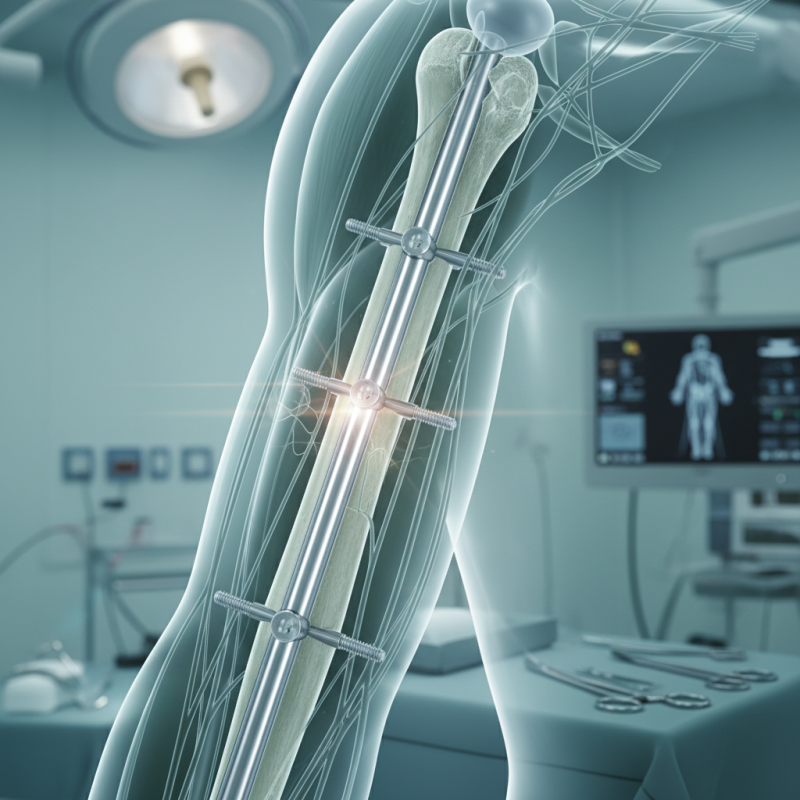
A humeral interlocking nail is a medical device used to stabilize fractures in the humerus, the long bone of the upper arm. When a bone suffers a fracture, surgical intervention often becomes necessary. The interlocking nail is inserted into the marrow canal of the humerus. It is made of strong material, providing stability during the healing process. Surgeons carefully place the nail in alignment with the fracture.
The benefits of using a humeral interlocking nail include better alignment and reduced movement of the bone. This helps in faster recovery times. A well-aligned fracture heals with less risk of complications. Interestingly, this method can limit the use of external casts. Patients often report less pain and greater mobility soon after surgery. However, challenges remain. Some patients may experience discomfort during recovery. Effective communication between patients and healthcare providers is crucial in addressing these worries. Proper rehabilitation is essential for a successful outcome.
Overall, the humeral interlocking nail proves beneficial for many, though it’s not without its concerns. Each case requires careful evaluation. The journey through recovery is unique for everyone. Adjustments may be necessary to improve patient experience and outcomes. Understanding this balance is vital for all involved.
Benefits of Humeral Interlocking Nail
The Design and Materials Used in Humeral Interlocking Nails
Humeral interlocking nails are surgical tools used for fixing fractures in the humerus. The design of these nails allows for stability during the healing process. Made from biocompatible materials, they are strong and lightweight. The combination of titanium and stainless steel provides excellent strength with minimal weight.
During the procedure, the nail is inserted into the canal of the humerus. This method allows for less invasive surgery. The interlocking feature provides enhanced stability. However, if not positioned correctly, it can lead to complications. Surgeons must be precise to ensure proper alignment.
Tips: Always consider the patient’s anatomy. Each case is different. Watch for signs of infection post-surgery. Recovery varies, so patience is key. A good follow-up can prevent problems. The choice of materials should not be rushed. It can make a huge difference in the outcome.
Clinical Applications of Humeral Interlocking Nails in Fracture Treatment
Humeral interlocking nails are a critical innovation in orthopedic surgery, particularly for treating humeral fractures. These nails allow surgeons to stabilize fractures effectively while promoting faster healing. Research indicates that interlocking nails reduce the risk of non-union and complications related to traditional fixation methods. A study found that 85% of patients achieved satisfactory outcomes after surgery using this technique.
Clinical applications of humeral interlocking nails span various fracture types, including complex and unstable fractures. Their advantages extend to individuals with certain comorbidities, making surgical intervention safer and more efficient. Proper alignment and stability prevent malunion, which can significantly affect functionality later. The nails' design allows for an early range of motion, contributing to quicker rehabilitation.
Tips: Always discuss potential risks with your healthcare provider. Understand the implications of using interlocking nails in your specific case. Remember that individual recovery experience may vary. Despite the promising data, close monitoring post-surgery is essential. Reflection on these experiences can help optimize future treatments.
Benefits of Humeral Interlocking Nails Compared to Traditional Fixation Methods
Humeral interlocking nails are gaining popularity in orthopedic surgery. They offer several advantages over traditional fixation methods, such as plates and screws. One of the main benefits is their ability to provide stable fixation for humeral fractures. This stability can lead to better alignment and quicker recovery times for patients.
These nails are inserted intramedullary, minimizing soft tissue dissection. This reduces postoperative pain and allows for faster rehabilitation. Traditional methods often involve larger incisions, which can increase complications. With humeral interlocking nails, surgeons can achieve similar, if not improved, outcomes with lower risk.
Tips: Always discuss the options with your doctor. Understand the potential risks and benefits. It's important to weigh these factors carefully before making a decision. Remember, every case is unique, and what works for one patient may not be suitable for another. Recovery time can vary; follow your medical team's guidance closely.
What is a Humeral Interlocking Nail and Its Benefits?
| Feature | Humeral Interlocking Nails | Traditional Fixation Methods |
| Stability | High stability with interlocking mechanism | Moderate stability; relies on external fixation |
| Invasiveness | Minimally invasive procedure | May require larger incisions |
| Time to Recovery | Shorter recovery time | Longer recovery time due to fixation issues |
| Risk of Complications | Lower risk of implant failure | Higher risk of complications |
| Patient Comfort | Higher patient comfort post-surgery | Potential for more discomfort |
Current Success Rates and Patient Outcomes for Humeral Interlocking Nails
The use of humeral interlocking nails in orthopedic surgery has shown promising success rates. According to a recent study published in the Journal of Orthopedic Trauma, the overall success rate of this intervention reaches approximately 90%. Patients often report significant improvements in shoulder function. However, not every case leads to optimal outcomes. Some complications can still arise, such as malunion or hardware irritation.
Patient outcomes also vary widely based on individual factors. Age and preexisting conditions can impact recovery. In a cohort study, older patients demonstrated slower healing times, averaging 6 to 9 months for complete recovery. Furthermore, only 75% of patients in this demographic reported satisfactory functional results. This highlights the importance of personalized treatment plans. Not all methods will produce the same effectiveness for every patient.
Physical therapy plays a crucial role in enhancing outcomes. Adherence to rehabilitation protocols can influence recovery rates significantly. A percentage of patients neglect their therapy routines, which can lead to suboptimal results. Complexities in patient adherence indicate that while technology and techniques have advanced, the human element in recovery is still vital. Careful monitoring and support are essential for achieving the best possible outcomes with humeral interlocking nails.

