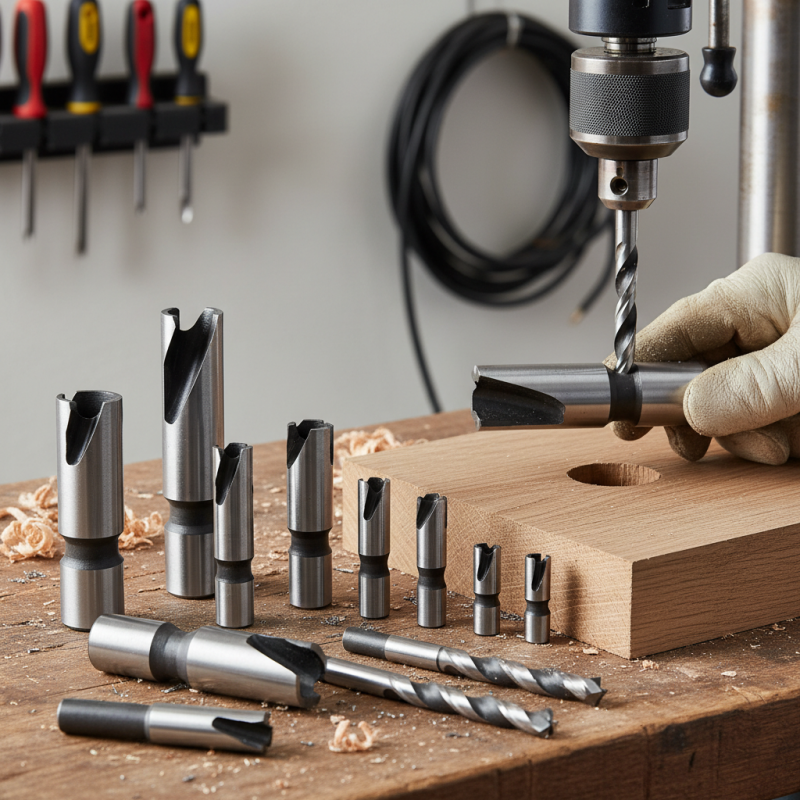
What is a Hollow Bit and How is it Used?
Hollow Bits are specialized tools widely used in woodworking and metalworking. These unique drill bits create a hole by removing material from the center, leaving an open core. This design allows for efficient drilling, especially in tasks requiring precise openings or when wiring needs to run through.
Crafted from durable materials, hollow bits come in various sizes. They are often used for creating dowel joints or in applications where a clean, circular cut is essential. However, not all hollow bits perform equally. The choice of material and sharpness can greatly impact their effectiveness.
Understanding the proper usage of a hollow bit is important for achieving desired results. Mishandling can lead to frustration and poor outcomes. Ensuring correct drill speed and pressure is vital to avoid damaging the bit or the material. Users should reflect on their technique to improve future performance.
What is a Hollow Bit? Definition and Characteristics
A hollow bit is a specialized tool used primarily for drilling precise holes in various materials. It features a cylindrical body with a hollow center. This design allows for the removal of debris as the bit drills. Hollow bits are commonly employed in woodworking and metalworking. They create clean, uniform holes that are essential for doweling, plumbing, or wiring installations.
One characteristic of a hollow bit is its ability to produce holes of varying depths. The depth can be adjusted by how far the bit is driven into the material. This is especially useful when working with different thicknesses. However, using a hollow bit requires skill. Misalignment can lead to uneven holes, which may compromise the quality of a project. Proper technique is crucial to ensure accuracy.
While hollow bits are effective, they are not without challenges. Ensuring a steady hand while drilling can be tough. Practicing on scrap materials is advisable. It helps in developing a feel for the tool. Experimentation may result in mishaps, but it offers valuable learning experiences. Understanding the characteristics of a hollow bit can enhance your craft, making it an essential addition to any toolkit.
Types of Hollow Bits: A Comprehensive Overview
Hollow bits are specialized tools designed for drilling holes into various materials. They are unique in that they create a clean, cylindrical core. This allows for precise work in woodworking, metalworking, and even masonry.
There are several types of hollow bits available. The auger bit is a popular choice for woodworkers. It drills deep holes efficiently. The spade bit is another option. It is flatter and creates wider holes quickly. Masonry bits, on the other hand, are designed specifically for brick and concrete. Their hardened tips allow them to withstand tough materials.
Each type of hollow bit serves a different purpose. Choosing the right one can be complex. For beginners, starting with a basic auger or spade bit may seem easy. However, the performance can vary. Incorrect choices may lead to splintering or frustration. Mastering the use of hollow bits takes practice and patience.
Common Applications of Hollow Bits in Various Industries
Hollow bits are specialized drilling tools designed to create precise holes in various materials. They are widely used across different industries, thanks to their unique structure. The hollow center allows for the removal of debris, making the drilling process efficient.
In the construction industry, hollow bits are essential for creating pipelines and conduits. They help in boring through tough surfaces like concrete and metal. In woodworking, these bits provide clean holes for dowels or screws. The wood shavings get removed easily through the hollow design, resulting in a smoother finish.
**Tip:** Always ensure the bit size matches your project needs. A common mistake is selecting the wrong diameter. It leads to poorly fitting holes and wasted materials.
Hollow bits also find applications in the automotive sector. They assist in drilling into engine components, allowing for precise modifications. Additionally, they are used in manufacturing processes, like creating holes in plastic and metal parts. However, users must consider the heat generated during prolonged use. Excessive heat can dull the cutting edges, leading to ineffective drilling.
**Tip:** Regularly check for wear and tear on your bits. This will maintain their performance and longevity.
Common Applications of Hollow Bits in Various Industries
Key Advantages of Using Hollow Bits Over Traditional Drill Bits
Hollow bits are specialized tools designed for drilling precise holes in various materials. Their unique structure allows them to extract a cylindrical core, making them ideal for specific applications. One key advantage of using hollow bits is their efficiency. Unlike traditional drill bits, which create a solid hole, hollow bits remove material while creating a space that can accommodate fittings or dowels. This efficiency reduces the time spent on drilling and increases productivity in projects.
In addition to efficiency, hollow bits provide cleaner results. They minimize the risk of splintering or damaging surrounding areas. Traditional bits often leave rough edges or debris that require additional finishing work. However, with hollow bits, the core removal process presents a cleaner cut. This can be particularly beneficial when working on visible surfaces, like cabinetry or furniture.
While hollow bits offer notable advantages, they may not be suitable for every situation. Their design requires careful handling and may not be as versatile as conventional bits. The learning curve for using hollow bits can also pose challenges for beginners. Experimenting with different materials and thicknesses can reveal the strengths and weaknesses of these tools. Understanding when to use hollow bits will improve overall project outcomes and craftsmanship.
Industry Standards and Specifications for Hollow Bit Usage
Hollow bits are vital tools in various industries. They have specific design standards that ensure maximum efficiency.
Professionals must follow these standards for optimal performance. Industry specifications include dimensions and material quality. Typically, hollow bits must be made from durable steel. The diameter and length also matter significantly. They often range from small to large sizes, depending on the application. This variety helps in completing tasks precisely.
However, misuse of hollow bits is common. Many forget to check for wear and tear. Ignoring this can lead to poor outcomes. It's essential to regularly inspect these tools. Following industry standards is not just a guideline; it's a necessity for effective work. Such attention to detail can save time and resources, ensuring success in projects.