Essential HIFU Machine Tips for Global Buyers?
The HIFU Machine industry has witnessed remarkable growth in recent years. According to a report by MarketsandMarkets, the global HIFU market is projected to reach $476 million by 2027, growing at a CAGR of 11.5%. This increase is driven by growing demand for non-invasive aesthetic procedures. Experts, such as Dr. James Anderson, a leading authority in aesthetic technology, stated, "Understanding the nuances of HIFU Machine usage is vital for achieving optimal results."
With numerous options available, global buyers must navigate various models and technologies. The effectiveness of these machines often depends on their application and operator skills. Subpar equipment can lead to inconsistent results, frustrating both practitioners and clients. Thus, it’s crucial to assess vendors carefully and consider machine quality and training offered.
Moreover, varying regulations across countries can complicate purchasing decisions. Buyers need to be aware of compliance requirements in their markets. Well-informed decisions can prevent costly mistakes. In an industry where results matter, aligning with reliable manufacturers is key for success. The journey to selecting the right HIFU Machine requires diligence and an emphasis on quality.
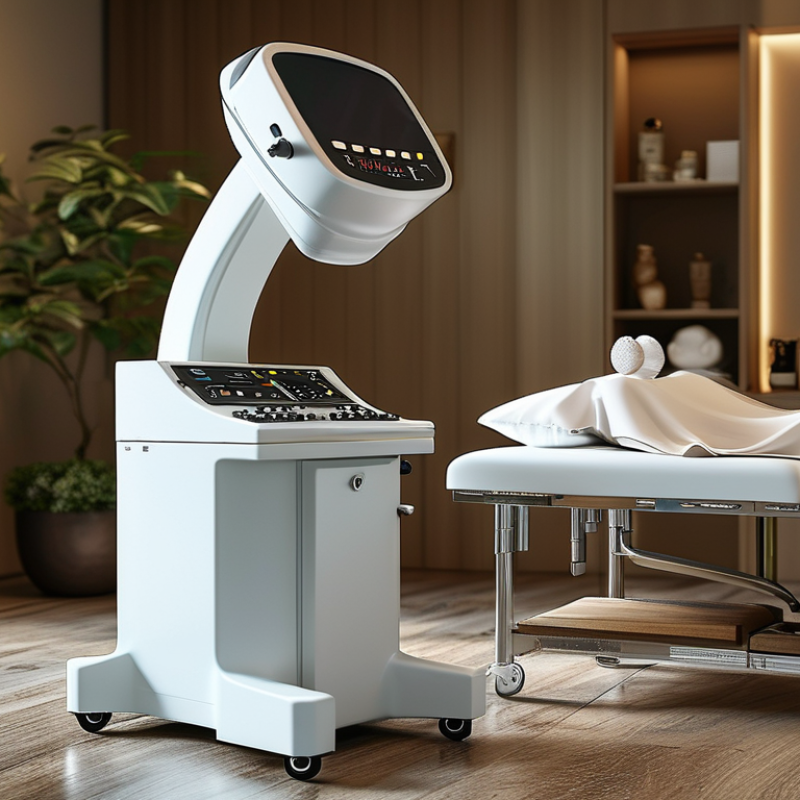
Key Considerations When Choosing a HIFU Machine for Global Markets
When selecting a HIFU machine for global markets, buyers should focus on a few critical considerations. Market demand varies by region. A report from Grand View Research indicates that the global HIFU market is expected to reach $2.47 billion by 2028, growing at a CAGR of 9.8%. This highlights the necessity for machines that cater to diverse consumer needs and preferences. Understanding these trends can inform better purchasing decisions.
Quality and safety certifications are paramount. Many regions require specific compliance with medical device regulations. The cost of non-compliance can be substantial. Buyers should prioritize machines with proven safety records and ISO certifications. A thorough examination of user reviews might reveal potential issues that are not always documented.
Another key factor is technological adaptability. HIFU technology evolves rapidly. Machines with upgradable software tend to offer better long-term value. Consideration of service and support post-purchase is equally important. A lack of responsive customer service can lead to operational downtime, affecting profitability. Gathering insights from existing users in similar markets can lead to more informed choices.
Essential HIFU Machine Market Analysis
Understanding Different Types of HIFU Machines and Their Applications
HIFU, or High-Intensity Focused Ultrasound, is revolutionizing non-invasive treatments. Different types of HIFU machines are designed for various applications. These applications range from facial rejuvenation to body contouring. As reported by industry experts, the global HIFU market is expected to reach $3 billion by 2025, reflecting rising demand.
In energy delivery, machines vary significantly. Some are designed for deeper tissue penetration, ideal for body shaping. Others focus on superficial layers, targeting wrinkles and fine lines. Typically, a device's frequency indicates its target depth. Higher frequencies are effective for skin tightening, while lower frequencies suit fat reduction. An April 2023 study indicated that patients report a 90% satisfaction rate with skin lifting results, highlighting the efficacy of the technology.
However, not all HIFU machines deliver consistent outcomes. Variability can stem from operator skill and machine calibration. Users often face challenges in determining which machine best suits their needs. Regardless, continuous advancements in technology promise more reliable options in the future. As buyers navigate the market, understanding these differences will be crucial for making informed decisions.
Factors Influencing HIFU Machine Pricing and Value for Buyers
When considering the purchase of a High-Intensity Focused Ultrasound (HIFU) machine, several key factors influence pricing and perceived value. A recent industry report indicates that market prices can vary significantly, often ranging from $20,000 to over $150,000, depending on features and capabilities. Buyers should assess the technology's effectiveness and longevity. Machines with advanced software and superior engineering often offer better operational efficiency.
It's vital to recognize that not all high-priced machines guarantee better performance. Some budget-friendly options have received positive feedback for their results. The experience of professionals using HIFU machines plays a critical role in maximizing outcomes. A skilled operator can achieve remarkable results with a less expensive machine. Customer support, mentorship, and training from the manufacturer significantly contribute to user confidence and effectiveness over time.
Tip: It's important to consider warranty and maintenance costs. Extended warranties can provide assurance but may add to overall expenses. Additionally, factoring in training costs can provide insight into the true value of the purchase. Buyers should weigh current budget constraints with long-term benefits when considering the investment in a HIFU machine. Understanding these elements helps ensure a more informed decision in this evolving market.
Essential Maintenance Tips for HIFU Machines to Ensure Longevity
Maintaining your HIFU machine is crucial for optimal performance and longevity. Regular checks and cleaning can significantly extend its life. Ensure you always follow the manufacturer’s guidelines. Use appropriate cleaning solutions to avoid damaging sensitive components. Dust buildup can lead to overheating, which may cause malfunctions over time.
It’s essential to inspect key parts regularly. Check the transducers for wear and tear. Any signs of damage may affect treatment quality. Document the maintenance routine to identify patterns. This can aid in predicting potential issues. While it seems simple, overlooking small tasks can lead to bigger problems.
A well-maintained machine not only performs better but also enhances client trust. Listen to your equipment; it may signal that it needs attention. Routine checks are a way to show dedication to quality services. Keeping a detailed log of repairs and maintenance can help track usage and effectiveness. This practice ensures that you stay proactive rather than reactive.
Essential HIFU Machine Tips for Global Buyers - Essential Maintenance Tips for HIFU Machines to Ensure Longevity
| Maintenance Tips | Frequency | Description | Importance |
| Clean the Machine | Daily | Wipe down the exterior surfaces and ensure the lens is free from dust. | Prevents malfunction and ensures accurate treatment delivery. |
| Check Software Updates | Weekly | Ensure that the machine’s software is updated to the latest version. | Improves functionality and introduces new features. |
| Inspect Cables and Connections | Monthly | Check for wear, tear, and secure connections. | Ensures safety and prevents operational failures. |
| Replace Filters | Quarterly | Change air filters to maintain optimal airflow. | Essential for cooling and preventing overheating. |
| Professional Calibration | Annually | Have a certified technician calibrate the machine. | Ensures precision in treatment settings and outputs. |
Regulatory Compliance and Certifications for HIFU Equipment Worldwide
When considering HIFU (High-Intensity Focused Ultrasound) machines, global buyers must prioritize regulatory compliance. Different regions have specific regulations. It is crucial to understand these standards. For instance, the FDA regulates HIFU equipment in the United States. Likewise, Europe has its own CE marking requirements. Compliance with these standards ensures that the equipment is safe and effective for medical procedures.
Not all HIFU machines will have the same certifications. It is important to verify the credibility of claims made by manufacturers. Some may lack essential validations. Potential buyers should conduct thorough research to confirm certifications. Failing to do so may lead to purchasing substandard equipment, which can affect patient outcomes. Consulting industry experts can provide additional insights into selecting compliant HIFU systems.
Documentation is key in this process. Buyers should request technical files and quality control reports. These documents provide transparency about the manufacturing processes. Moreover, understanding post-sale support and training is essential. Buyers should assess the manufacturer’s reputation for ongoing compliance. It reflects their commitment to safety and efficacy.

