What is a double eccentric butterfly valve and its advantages?
The double eccentric butterfly valve has gained significant traction in various industries due to its efficient design. According to a report by Markets and Markets, the valve market is expected to reach $85 billion by 2025, driven largely by innovations like the double eccentric butterfly valve. This type of valve features a unique design where the shaft is offset from the centerline of the disc, reducing friction and wear during operation.
One of the key advantages of the double eccentric butterfly valve is its ability to create a tight seal, minimizing leakage. The geometry allows for better flow characteristics and reduced torque requirements. Industry studies indicate that these valves can lead to energy savings of up to 15%. However, adopting this technology isn’t without challenges. There may be a learning curve for installation and maintenance compared to traditional valves.
Furthermore, not all applications are suitable for the double eccentric butterfly valve. Users must consider factors such as pressure fluctuations and medium compatibility. Engaging with valve specialists can help in making the right choice. While promising, it is crucial to weigh these factors against operational needs.
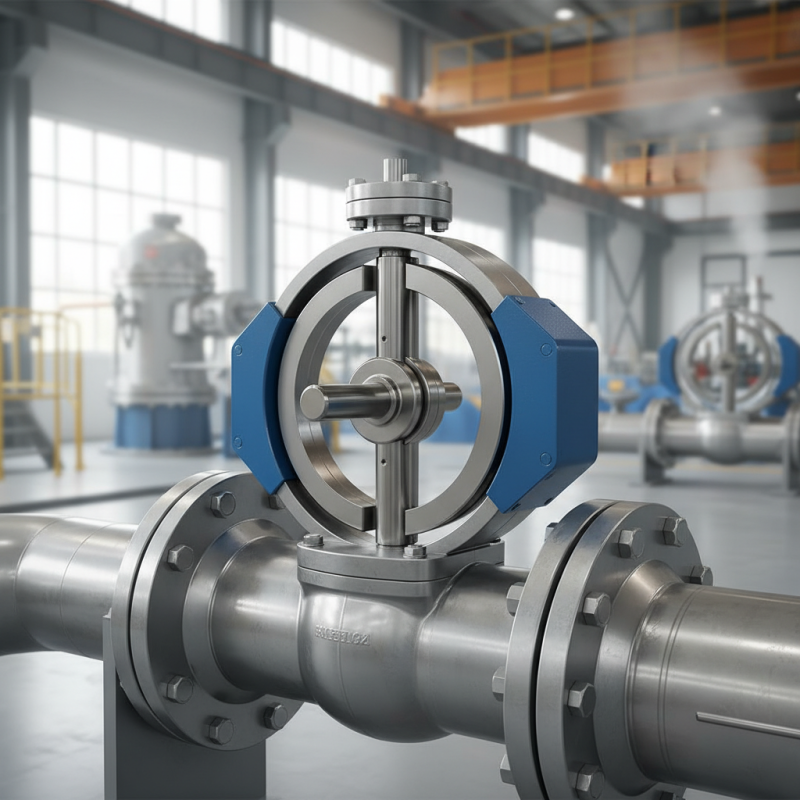
Definition and Structure of a Double Eccentric Butterfly Valve
A double eccentric butterfly valve is a unique type of valve widely used in various industries. It consists of a disc that rotates around a pivot point. The design features two points of eccentricity, enhancing its efficiency. This structure reduces friction between the disc and the seat, leading to smoother operation.
One significant advantage of double eccentric butterfly valves is their ability to handle high pressures and temperatures. The double eccentric design allows for a tighter seal compared to conventional valves. This design effectively minimizes wear and prolongs the valve's lifespan.
Tips: When selecting a double eccentric butterfly valve, consider the type of fluid. Know the temperature and pressure conditions for optimal performance. Always check compatibility with your system. Ensuring these factors can prevent costly mistakes.
Another point to reflect on is maintenance. While these valves are durable, regular checks are essential. Neglecting maintenance can lead to inefficient sealing. Proper upkeep helps maintain functionality.
Operating Principle of Double Eccentric Butterfly Valves
Double eccentric butterfly valves operate on a principle that sets them apart. The design features two offset shafts, which create a unique flow pattern. This offset nature reduces friction during operation. It allows the valve to close more tightly and efficiently than conventional designs. The sealing becomes more effective as the valve closes, minimizing leaks.
When the valve rotates, the disc moves more freely. This reduces wear on the sealing surface. The butterfly disc doesn’t just block flow; it can regulate it, offering backup functionality. The benefits include energy savings and lower operating costs. However, one must consider the scenarios where this valve may not perform optimally. For example, in high-pressure systems, even small design flaws can lead to issues.
The double eccentric design allows for larger flow areas. This can be a significant advantage in industrial applications. Yet, maintenance can be a challenge. Seals may degrade over time, and replacements can be complex. Users must regularly check and ensure everything is functioning correctly.
What is a double eccentric butterfly valve and its advantages? - Operating Principle of Double Eccentric Butterfly Valves
| Dimension | Description | Advantages |
| Size Range | Typically available from 2" to 48" | Versatile sizes for various applications |
| Material | Constructed from stainless steel, carbon steel, or plastic | Corrosion-resistant options available |
| Operating Temperature | Can handle temperatures up to 300°C (572°F) | Suitable for high-temperature applications |
| Pressure Rating | Available ratings of up to 150 psi | Reliable for moderate pressure systems |
| Seat Design | Rubber or PTFE lining options | Enhanced sealing capabilities |
| Flow Characteristic | Linear flow characteristic | Predictable flow control |
| Installation | Can be installed in any orientation | Flexible installation options |
Key Advantages of Using Double Eccentric Butterfly Valves
Double eccentric butterfly valves are unique due to their design. They have two offset points that allow the disc to open and close without rubbing against the seat. This design minimizes wear and prolongs the valve's lifespan. Users appreciate their ability to handle high-pressure applications effectively.
One of the main advantages of double eccentric butterfly valves is tight sealing. This feature reduces leaks and enhances efficiency in various processes. Another notable benefit is the lower torque requirement. Operators find these valves easy to handle. This results in reduced energy consumption and lower operational costs.
Tips: Always assess your system requirements before selecting a valve. Keep in mind that installation quality matters. Improper setup can lead to performance issues. Maintenance is key to maximizing the valve's lifespan. Regular checks can prevent unexpected failures.
Using double eccentric valves improves system reliability. They are also lighter than traditional valves, making installation simpler. However, users should be cautious about the specific conditions of their applications. If not compatible, performance could lag.
Applications and Industries Utilizing Double Eccentric Butterfly Valves
Double eccentric butterfly valves find use in various applications across different industries. These valves are particularly effective in handling large volumes of flow and pressure. You’ll often see them in water treatment plants, chemical processing facilities, and HVAC systems. Their design allows for smoother operation under high pressure, which makes them quite reliable.
In the oil and gas sector, double eccentric butterfly valves are preferred for their durability. They can withstand harsh environments and fluctuating temperatures. This resilience contributes to fewer maintenance requirements, ultimately saving costs over time. However, there's a potential downside. The complexity of installation could lead to mistakes if not managed carefully.
Tips:
- Ensure proper alignment during installation. Misalignment can cause operational issues.
- Regular maintenance checks can prevent unexpected failures.
- Always be cautious with handling these valves in high-pressure situations.
Maintenance and Care for Double Eccentric Butterfly Valves
Double eccentric butterfly valves are known for their unique design. This design provides a tight seal, reducing leakage. Regular maintenance is vital for optimal performance and longevity.
Check seals and gaskets regularly. They can wear out and lead to leaks. Inspect for misalignment in the valve. Misalignment can hinder smooth operation. Proper cleaning is also essential. Debris can affect functionality.
Tips:
- Always use soft cloths for cleaning.
- Don’t use abrasive materials.
- Lubrication is important, but use it sparingly. Too much can cause issues.
- Maintain a log of maintenance activities. This practice helps track performance over time.

