What is a desizing enzyme and how does it work?
desizing enzymes are essential in the textile industry. They help in the removal of size materials from fabrics after weaving. These enzymes enhance the efficiency of the dyeing and finishing processes, making them pivotal in modern textile production. According to a report from the Textile Research Institute, the global market for desizing enzymes is projected to reach $600 million by 2025.
Dr. Emily Tran, a leading expert in textile chemistry, emphasizes, "desizing enzymes play a crucial role in ensuring fabric quality and sustainability." The importance of these enzymes extends beyond just efficiency. With increasing environmental regulations, the adoption of biotechnological solutions like desizing enzymes is becoming a necessity.
However, challenges remain. Not all fabrics respond equally to these enzymes. Some require specific formulations, complicating the process. This variability can lead to inefficiencies in manufacturing. Addressing these challenges is crucial for the continued advancement of textile technology. The industry must continue to innovate while balancing quality and sustainability.
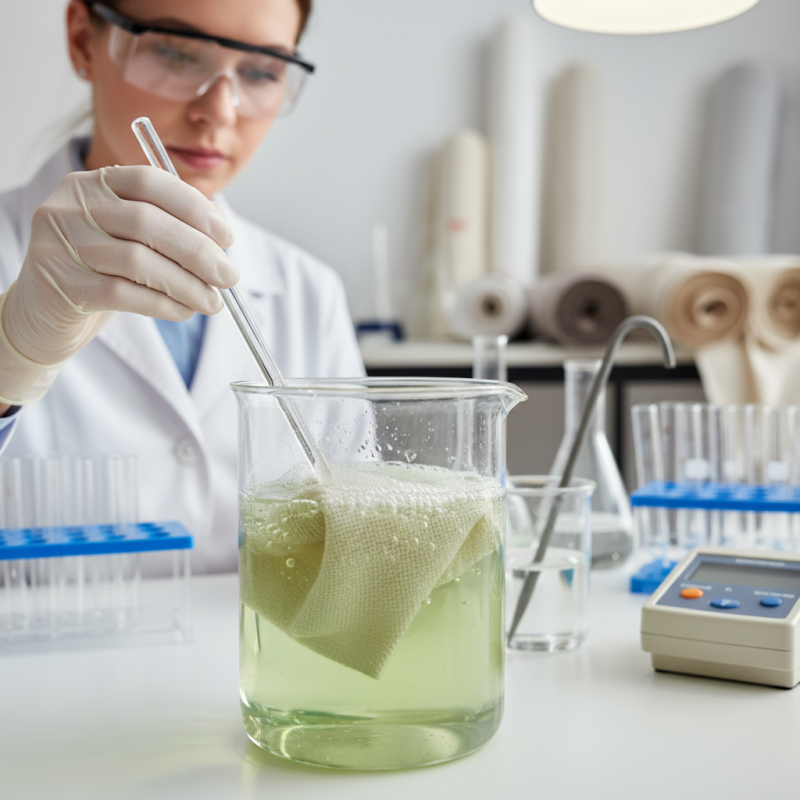
Definition of Desizing Enzymes and Their Purpose in Textile Processing
Desizing enzymes play a crucial role in textile processing by removing sizing agents. These agents are applied to fabrics to enhance weaving efficiency and provide strength. As a fabric moves through the production stages, it often retains these agents. Desizing enzymes break down these substances, making them easier to wash away.
Research indicates that enzymatic desizing can improve fabric quality significantly. Reports suggest that using desizing enzymes can increase the rate of removal by 30% compared to traditional methods. This is not just about speed; it also impacts the environment. Enzymes reduce the reliance on harsh chemicals, making processes safer and more sustainable.
The typical types of desizing enzymes include amylases and cellulases. Amylases target starch-based sizes, while cellulases address cellulose-based sizes. However, not all fabrics respond the same way to these enzymes. Some fabrics may withstand the treatment poorly, leading to issues like uneven texture or color loss. It's essential to test enzyme efficacy on specific materials to ensure consistent results. Balancing effectiveness and fabric integrity is often a challenge in this area of textile processing.
Types of Desizing Enzymes Used in the Industry
Desizing enzymes are crucial in textile processing. They help remove size materials from fabrics before dyeing or finishing. Different types of desizing enzymes serve specific functions in various industries.
Amylases are among the most common desizing enzymes. They target starch sizes used in the weaving process. These enzymes break starch into smaller sugars, making it easy to wash away. There’s also cellulase, which works on cotton fabrics. It helps in removing residual impurities while improving the fabric's softness. Proteases are valuable for protein-based sizes, aiding in their removal.
Each enzyme type has unique attributes. However, effectiveness can vary based on conditions like temperature and pH. Not every enzyme performs well in all situations. Sometimes, the fabric may still retain some sizing agents. This can affect dye uptake and the final appearance of the textile. It’s vital to monitor and control the desizing process for the best results.
Mechanism of Action: How Desizing Enzymes Break Down Sizing Agents
Desizing enzymes play a key role in textile processing. They are designed to break down sizing agents, which are essential for enhancing the weaving process. Sizing agents help strengthen yarns but must be removed before dyeing or finishing. This is where desizing enzymes come into play.
The mechanism of action involves hydrolysis. These enzymes target the starches and synthetic polymers used as sizing agents. By breaking down these compounds, desizing enzymes facilitate their removal during the washing phase. Industry data indicates that using enzymes can reduce water usage by up to 30%. This is crucial for sustainable textile processing.
However, the efficiency of desizing enzymes can vary. Factors such as temperature and pH levels can greatly impact their effectiveness. Some studies show a notable drop in performance at suboptimal conditions. For instance, one report suggests that operating at non-ideal temperatures can decrease enzyme activity by almost 50%. Thus, careful calibration is necessary to maximize the benefits of these enzymes.
What is a desizing enzyme and how does it work? - Mechanism of Action: How Desizing Enzymes Break Down Sizing Agents
| Enzyme Type | Description | Mechanism of Action | Optimal Conditions |
| Amylase | Breaks down starch-based sizing agents. | Hydrolyzes glycosidic bonds in starch molecules. | pH 5.5-7.0, Temperature 50-60°C |
| Cellulase | Decomposes cellulose-based sizing agents. | Catalyzes the hydrolysis of beta-1,4-glucosidic bonds in cellulose. | pH 4.5-6.0, Temperature 45-55°C |
| Pectinase | Acts on pectin-based materials used in textile sizing. | Breaks down pectin molecules, aiding in the removal of sizing. | pH 4.0-5.5, Temperature 40-50°C |
| Protease | Targets protein-based sizing agents. | Hydrolyzes peptide bonds in proteins, facilitating removal. | pH 7.0-9.0, Temperature 50-60°C |
Factors Influencing the Efficacy of Desizing Enzymes
Desizing enzymes play a crucial role in textile processing. Their efficiency, however, varies due to several factors. The concentration of the enzyme directly influences its activity. High concentrations can lead to more effective starch removal. Yet, too much can damage the fabric. Finding the right balance is essential.
Temperature is another critical factor. Most desizing enzymes work optimally at specific temperatures. If it's too cold, the reaction slows down. If it's too hot, enzymes may become inactive. pH levels also matter. An unsuitable pH can hinder enzyme function, resulting in incomplete desizing. Each fabric type may require a different combination.
The application method impacts effectiveness, too. Spraying the enzyme can offer better coverage than submerging the fabric. Time allowed for the enzyme to act is equally significant. Insufficient time can lead to residues. It's a challenge to perfect each step in the desizing process. Reassessing these factors can lead to better results. Experimentation and adjustment are often necessary.
Efficacy of Desizing Enzymes Based on Different Factors
The chart illustrates the efficacy of desizing enzymes based on five key influencing factors: temperature, pH level, substrate concentration, time, and agitation speed. Each factor contributes differently to the effectiveness of the desizing process, with temperature having the highest efficacy. Understanding these factors is crucial for optimizing the desizing process in textile manufacturing.
Applications and Benefits of Using Desizing Enzymes in Manufacturing
Desizing enzymes play a crucial role in textile manufacturing. They help remove sizing agents used during the weaving process. By breaking down starches and other polymers, these enzymes make fabrics softer and more absorbent. This reduction in sizing leads to improved dye penetration, resulting in better color quality.
According to a recent industry report, the global demand for desizing enzymes has increased by over 20% in the past three years. This surge reflects the growing need for sustainable manufacturing practices. With environmental regulations tightening, manufacturers seek greener alternatives. Desizing enzymes often require less water and energy compared to traditional methods, making them a smart choice.
Tips: Always consider the enzyme's specificity. Some enzymes work better on natural fibers, while others excel on synthetic materials. Experimentation is key. Monitor your processes closely. Inconsistent application can lead to uneven fabric quality. Investing in the right enzyme and adjusting usage based on fiber type can yield substantial results.
Desizing enzymes not only enhance fabric properties but also improve overall efficiency. However, mistakes in enzyme selection can lead to reduced effectiveness. Regularly reviewing enzyme performance is essential for maximizing benefits. Stay updated with the latest industry trends to ensure optimal results.

