How to Choose the Right Emergency Exit Lights for Your Building?
Choosing the right Emergency Exit Lights for your building is crucial for safety. Jamie Anderson, an expert in emergency preparedness, states, “The right exit lighting can save lives.” This highlights the importance of making informed decisions.
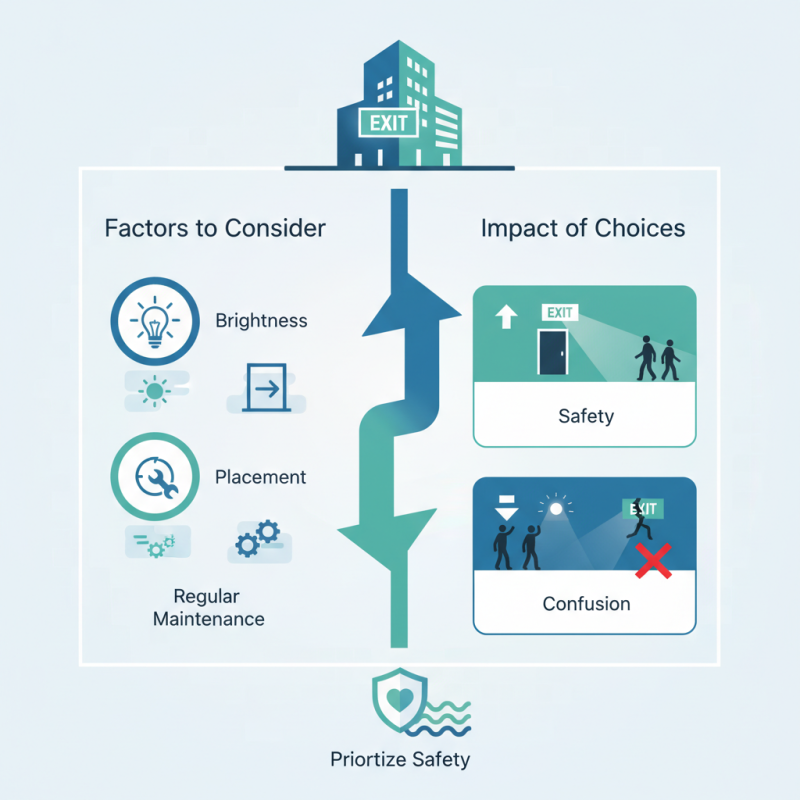
When selecting Emergency Exit Lights, consider factors like brightness and placement. They must be visible in all conditions. A well-lit exit path can guide occupants safely during an emergency. However, many buildings lack adequate lighting. This oversight can lead to dangerous situations.
Reflect on your current options. Are the Emergency Exit Lights functioning properly? Regular maintenance is essential. Sometimes, light fixtures fade, becoming less effective. Inadequate or poorly designed lights can create confusion. Think about the impact of your choices. Prioritize safety and ensure you make the right selections.
Types of Emergency Exit Lights and Their Functions
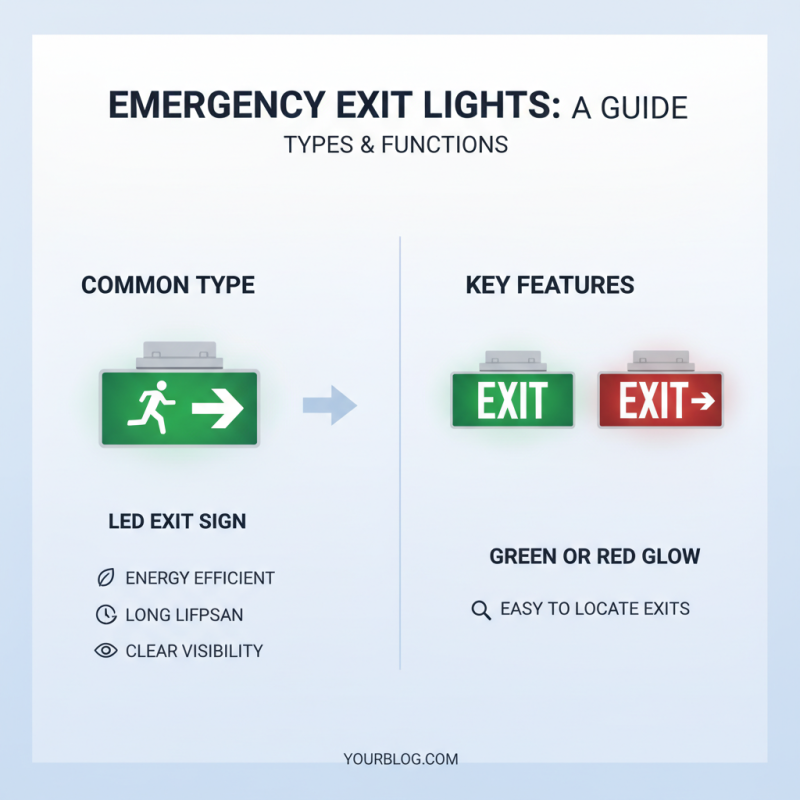
When choosing emergency exit lights, it's crucial to understand the types available and their functions. The most common type is the LED exit sign. These lights are energy-efficient and have a long lifespan. They provide clear visibility, ensuring occupants can find exits quickly. They often feature a green or red glowing sign to indicate the way out.
Another important type is the emergency backup light. This light activates during power outages. It helps illuminate escape routes and stairwells. Often, these systems integrate with existing lighting. They can be mounted on walls or ceilings, depending on the layout. Some designs offer adjustable brightness, which can be useful, but may also lead to over-reliance on them.
A less common option is the combination unit. These lights provide both illumination and exit indication in one design. They save space, but it’s essential to ensure they are visible from various angles. Inadequate placement can create confusion. Each building's unique layout affects which type of light is most effective. Careful consideration is key.
Regulations and Standards for Emergency Exit Lighting
When selecting emergency exit lights, understanding regulations is crucial. The National Fire Protection Association (NFPA) 101 Life Safety Code specifies placement and performance standards for emergency lighting. It recommends that lights should clearly mark egress paths. Inadequate lighting can lead to confusion during emergencies.
According to the International Building Code (IBC), exit signs must be illuminated by a reliable power source. Battery backups are essential for business continuity. An alarming fact is that only 35% of buildings comply with these codes. This raises concerns about safety and preparedness.
Regular inspections and maintenance of exit lighting systems are often neglected. Studies show that 75% of emergency lighting systems fail during actual incidents. Building managers must prioritize compliance. Ignoring these standards poses real risks. Properly chosen fixtures enhance visibility and safety.
How to Choose the Right Emergency Exit Lights for Your Building? - Regulations and Standards for Emergency Exit Lighting
| Dimension |
Description |
Regulations/Standards |
| Illumination Level |
The minimum light level required for safe evacuation. |
NFPA 101, IBC |
| Battery Backup |
Duration of emergency light operation during a power failure. |
ANSI/UL 924 |
| Visibility Distance |
The maximum distance at which exit lights are visible. |
NFPA 101 |
| Testing Requirements |
Frequency and method for testing emergency lighting systems. |
NFPA 101, NEMA |
| Mounting Height |
Recommended height for optimal visibility of exit signs. |
IBC, NFPA 70 |
| Color and Signage |
Standard colors for exit signs and emergency lights. |
ANSI Z535.1 |
Factors to Consider When Choosing Emergency Exit Lights
Choosing the right emergency exit lights involves understanding several key factors. First, brightness is crucial. The Illuminating Engineering Society (IES) recommends a minimum illumination level of 1 foot-candle along exit paths. This ensures visibility even in low-light conditions.
Another factor is battery backup. In a power outage, lights must function for at least 90 minutes. Some reports suggest that 20% of emergency lights fail to meet this requirement. Regular testing and maintenance are necessary.
Lastly, consider the light’s placement. The National Fire Protection Association (NFPA) advises that exit signs be visible from all directions. However, not all buildings have optimal layouts. Poor placement can lead to confusion during an emergency. Rethinking your exit light locations may improve safety.
Installation and Maintenance Best Practices for Exit Lights
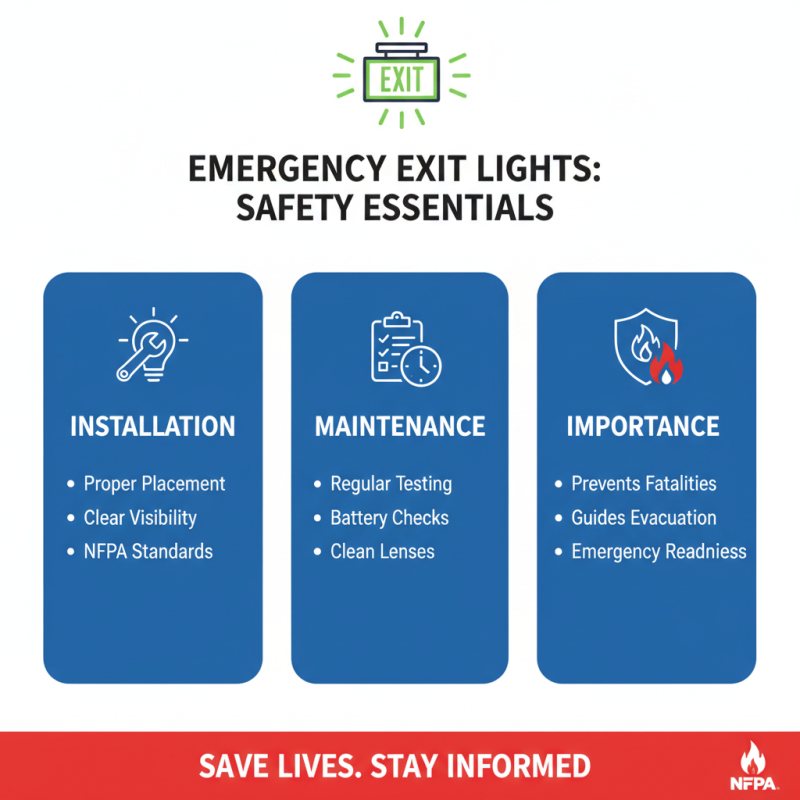
When selecting emergency exit lights, proper installation and maintenance are crucial. According to the National Fire Protection Association (NFPA), many fire-related fatalities happen due to inadequate emergency lighting. High-quality exit lights should be easily visible and well-maintained to ensure safety in an emergency.
Inspection is key. Monthly checks are vital to ensure lights are functioning. Look for flickering bulbs or dim lighting. These could indicate a need for replacement. Remember, lights that are often overlooked can lead to dire consequences. In fact, a report by the U.S. Department of Labor found that poorly maintained exit routes can increase the risk of injury during emergency evacuations.
**Tips:** Use LED lights for their durability and low energy consumption. They last longer and require less frequent replacements. Regular training sessions for staff will also help them understand the importance of these lights. This can prevent negligence.
Involving a professional for installation may seem costly but prevents future issues. Long-term savings come from avoiding the penalties for non-compliance. An audit of the emergency lighting plan can highlight areas needing improvement. Sometimes, the simplest adjustments can dramatically enhance safety.
Evaluating the Efficiency and Visibility of Exit Lighting Systems
When selecting emergency exit lights, efficiency and visibility are critical. Research shows that poorly lit exit pathways can lead to panic during emergencies. In many cases, up to 60% of people may not use the nearest exit if it is not well illuminated. Thus, ensuring sufficient brightness is essential in guiding occupants safely out of the building.
One tip to improve visibility is to select lights with a lumen output of at least 100 lumens per foot of exit path. This output ensures that light penetrates any smoke or darkness effectively. Consider the placement of lights as well. They should be positioned where they are easily seen, such as near doors and along corridors.
It can be easy to overlook maintenance and testing schedules. Regular inspections help identify dead bulbs or inadequate performance. A staggering 30% of emergency lights fail to work when needed, often due to neglect. Make it a point to assess your system monthly. Including reflective signage can also enhance visibility in low-light conditions.
Choosing the right emergency exit lights involves thoughtful consideration of both efficiency and visibility. A reliable lighting system is crucial for safety, yet many buildings still miss the mark in adequate illumination. Always strive to learn and improve your emergency lighting approach.