How to Choose the Best Panel Lights for Your Home or Office Lighting Needs
When it comes to illuminating your home or office, choosing the right lighting can significantly impact the ambiance and functionality of the space. Among various lighting options available, panel lights have emerged as a popular choice due to their sleek design and efficient lighting performance. Their low-profile appearance makes them ideal for a wide range of settings, from modern offices to cozy residential spaces. This article will guide you through the process of selecting the best panel lights that cater to your specific lighting needs.
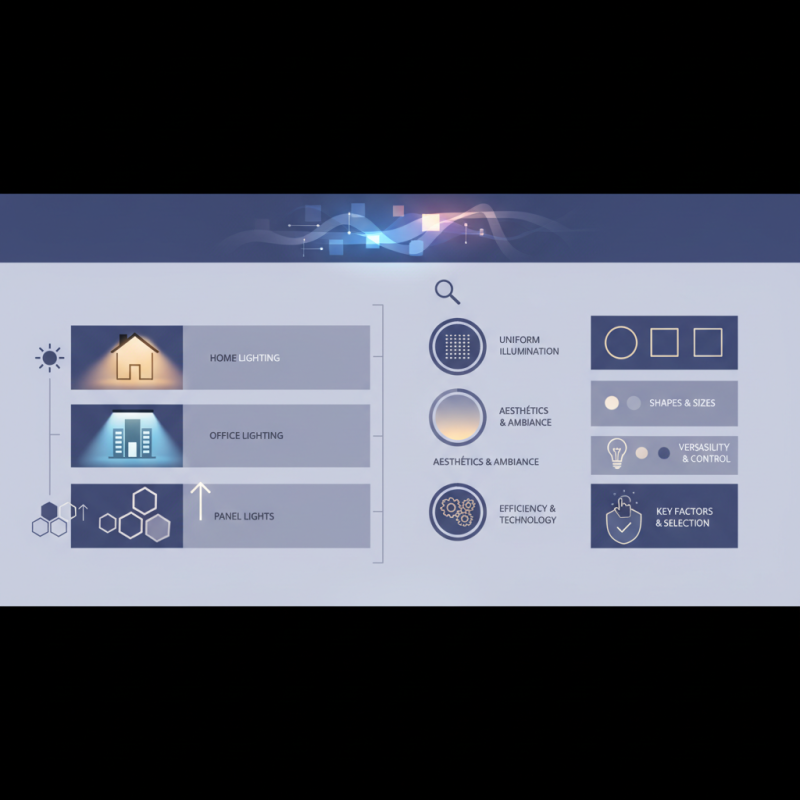
Understanding the characteristics and benefits of panel lights is essential in making an informed decision. These lights not only provide uniform illumination but also enhance the aesthetics of any room. With advancements in technology, panel lights come in various shapes, sizes, and luminosity levels, allowing for greater versatility in lighting applications. As we delve deeper, we will explore key factors to consider when choosing panel lights, ensuring you create an inviting and productive environment wherever you are.
Understanding Different Types of Panel Lights for Your Space
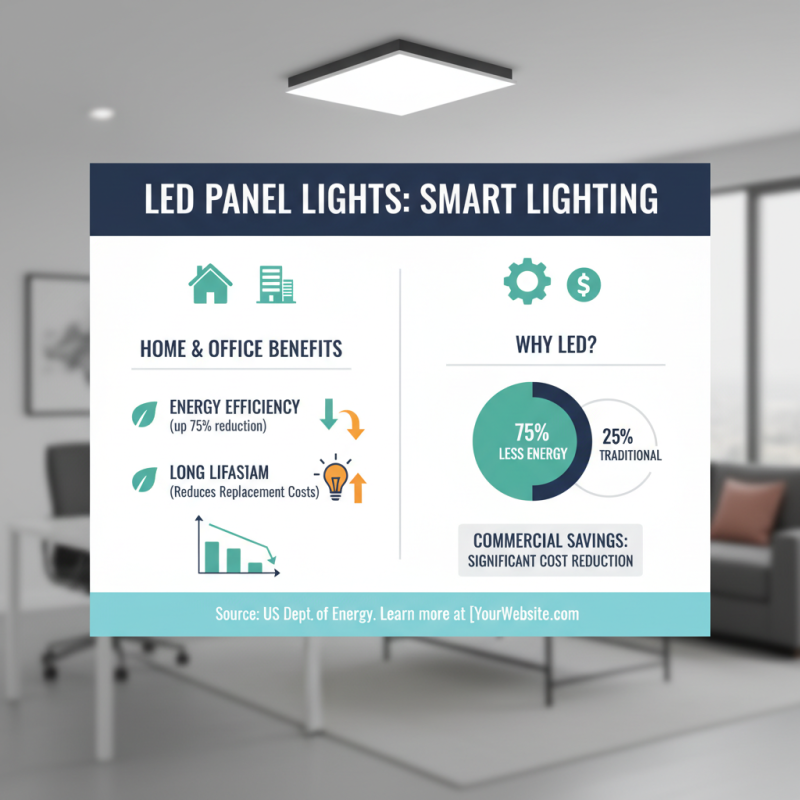
When selecting the best panel lights for your home or office, it’s essential to understand the different types of panel lights available in the market. LED panel lights are becoming increasingly popular due to their energy efficiency and long lifespan. According to a report by the U.S. Department of Energy, LED lighting can reduce energy consumption by up to 75% compared to traditional lighting solutions. This is particularly significant for commercial spaces, where lighting costs can account for a substantial portion of the overall energy bill.
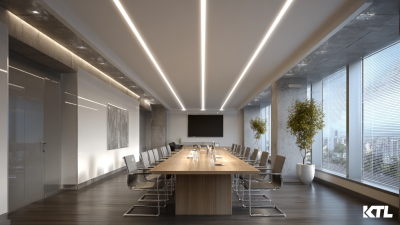
Another type worth considering is backlit panel lights, which provide uniform lighting and are often preferred for areas requiring high illumination levels. These panels use a different design system that disperses light more evenly and helps to eliminate hot spots. Research indicates that backlit panels can improve the overall aesthetics of a room while enhancing visibility, making them an excellent choice for offices and conference rooms.
In addition, edge-lit panel lights are a popular option due to their slim profile and sleek design. These panels use LEDs placed along the edges of the panel and rely on a light guide plate to distribute light evenly across the surface. The versatility of edge-lit panels makes them suitable for various applications, from retail environments to residential spaces. According to industry reports, the demand for edge-lit technology is expected to grow by approximately 12% annually, highlighting its increasing relevance in modern lighting design.
Evaluating Brightness and Color Temperature for Comfort
When selecting panel lights for your home or office, evaluating brightness and color temperature is paramount in creating a comfortable atmosphere. Brightness is typically measured in lumens, and industry standards suggest that different environments require varying lumen levels. For instance, a workspace might benefit from around 500-1,000 lumens per square meter, promoting focus and productivity, while living areas could be cozier with approximately 100-300 lumens per square meter.
Color temperature, measured in Kelvins, plays a significant role in setting the mood of a space. Warm white lights (2700K-3000K) are perfect for residential settings, creating a relaxing ambiance, while cooler white or daylight bulbs (4000K-6500K) are often preferred in commercial spaces, enhancing alertness and clarity. According to the U.S. Department of Energy, using appropriate color temperatures can improve task performance significantly, thereby increasing overall efficiency.
**Tips:**
1. Consider dimmable panel lights for versatility; this allows you to adjust brightness based on activity and time of day.
2. Use a color temperature of 4000K-5000K for areas requiring high concentration, such as offices, to maximize focus and minimize eye strain.
How to Choose the Best Panel Lights for Your Home or Office Lighting Needs
| Type of Panel Light |
Brightness (Lumens) |
Color Temperature (Kelvin) |
Ideal Use |
| LED Flat Panel Light |
3000 - 5000 |
3000K - 4000K |
Offices, Retail Spaces |
| Recessed Panel Light |
2500 - 7000 |
3500K - 6500K |
Hallways, Living Rooms |
| Troffer Light |
4000 - 8000 |
4000K - 5000K |
Commercial Spaces, Schools |
| Smart Panel Light |
3000 - 6000 |
2700K - 6500K |
Smart Homes, Creative Spaces |
Assessing Energy Efficiency and Lifespan of Panel Lights
When selecting panel lights for your home or office, energy efficiency and lifespan are critical factors to consider. According to the U.S. Department of Energy, LED panel lights use up to 75% less energy than traditional incandescent lights and last significantly longer, often exceeding 25,000 hours. This longevity translates not only to reduced replacement costs but also to lower maintenance efforts, making LEDs a highly economical choice in the long run.
When assessing energy efficiency, look for panel lights with a high lumens-per-watt ratio, as this indicates greater light output for less energy consumption. Additionally, check the Energy Star certification, which signifies that the lights meet rigorous efficiency criteria. By choosing products that comply with these standards, users can significantly cut down on electricity bills while contributing to environmental sustainability.
Tips: To further enhance energy efficiency, consider installing motion sensors or dimmers that adjust lighting based on occupancy or daylight availability. This adaptive approach can yield savings of up to 30% on energy use. Moreover, invest in panels that allow for easy maintenance, such as those with replaceable components, to extend their operational lifespan even further, ensuring you maximize both efficiency and longevity in your lighting solution.
Choosing the Right Size and Design for Aesthetic Appeal
When selecting panel lights for your home or office, the size and design play a crucial role in achieving both functionality and aesthetic appeal. According to the American Society of Interior Designers, lighting contributes to up to 30% of the visual impact of a space. Therefore, it’s important to choose panel lights that complement the scale and proportion of the room. For example, larger panels can create a statement in expansive areas, while smaller, more subtle designs are ideal for cozy or intimate settings. It’s also essential to consider the placement of these lights; strategically positioning them can enhance the architectural features and overall ambiance of the space.
The design of panel lights is not solely about aesthetics but also about how they fit into your decorating scheme and serve your lighting needs. A report from the Lighting Research Center indicates that the color temperature of a light can significantly influence the perceived warmth and style of a room. For instance, a cooler color temperature (4000K to 5000K) might suit modern, minimalistic designs, while a warmer temperature (2700K to 3000K) can benefit traditional or rustic decor. Additionally, integrating a variety of shapes—such as squares, rectangles, or round panels—can add visual interest while ensuring a cohesive look. Ultimately, evaluating the size and design of panel lights with respect to room layout and interior decor can yield a harmonious balance that enhances both usability and style.
Installation Considerations and Maintenance Tips for Panel Lights
When installing panel lights in your home or office, there are several key considerations to ensure optimal performance and longevity. First, it's essential to evaluate the existing electrical infrastructure. Panel lights generally require a junction box for proper installation, so it's crucial to check that your wiring can accommodate this. Additionally, consider the dimensions of the space where the panel lights will be installed. This includes both the layout and the height of the ceiling, as it will influence the choice of lumens required to achieve effective illumination.
Maintenance is another crucial aspect of panel light care. Regularly cleaning the surface of the panel lights helps maintain their brightness and efficiency. Dust and dirt can accumulate, diminishing light output over time. Furthermore, it's advisable to inspect the fixtures periodically for any signs of wear or damage. This proactive approach can help identify potential issues early, such as flickering lights or discoloration, which may indicate a need for replacement. By adhering to these installation and maintenance tips, you can ensure that your panel lights function effectively, enhancing the aesthetic appeal and functionality of your space.