How to Choose the Best Panel Lights for Your Home Lighting Needs
In recent years, the shift towards energy-efficient lighting solutions has revolutionized the way we illuminate our homes. Among these, panel lights have emerged as a preferred choice due to their sleek design and effectiveness in delivering bright, even illumination. According to a report by the LED Lighting Association, the global panel lights market is expected to reach $12 billion by 2025, highlighting a growing trend in residential lighting solutions. This surge in popularity is driven by enhanced energy efficiency and lower operational costs compared to traditional lighting methods.
Expert in the field of lighting design, Dr. John Maxwell, emphasizes the importance of choosing the right panel lights for specific applications, stating, “Selecting the appropriate panel light can significantly enhance both the aesthetics and functionality of a space.” As homeowners seek to create comfortable living environments while being mindful of energy consumption, understanding the various factors that influence panel light selection becomes essential. This guide aims to empower you to make informed decisions based on your unique lighting needs, style preferences, and energy-saving goals, ensuring that your home benefits fully from the advantages that panel lights have to offer.
Understanding the Different Types of Panel Lights Available
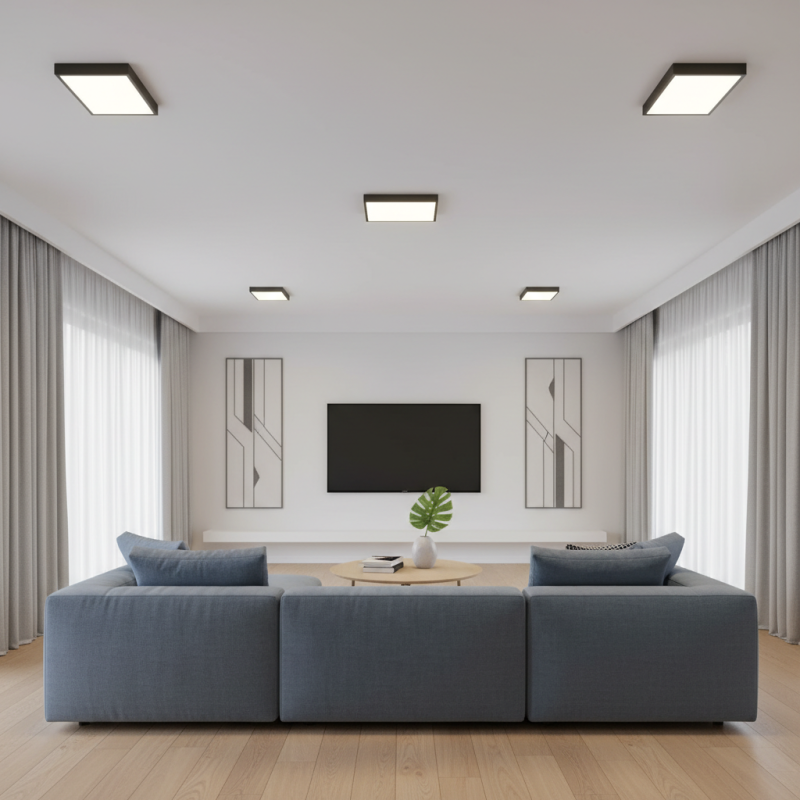
When selecting panel lights for your home, it's essential to understand the various types available to make an informed decision. The primary categories include recessed panel lights, surface-mounted panel lights, and pendant panel lights. Recessed panel lights are installed into the ceiling, providing a sleek and modern look while maintaining a low profile. This type is ideal for spaces with limited height and allows for a clean aesthetic without visible fixtures.
Surface-mounted panel lights, on the other hand, are attached directly to the ceiling and are perfect for rooms where recessed installation isn't feasible. These lights come in various shapes and sizes, offering versatility in design and brightness options. Lastly, pendant panel lights add a stylish touch with their hanging design, making them suitable for dining areas or living spaces where you want to create a focal point. Each type of panel light serves different purposes and enhances the ambiance of your home while ensuring efficient illumination.
How to Choose the Best Panel Lights for Your Home Lighting Needs
| Type of Panel Light |
Wattage |
Lumens |
Color Temperature (K) |
Application |
| Recessed Panel Lights |
10-40W |
800-4000 lm |
3000-6500K |
Living Rooms, Offices |
| Surface Mount Panel Lights |
15-50W |
1200-5000 lm |
2700-5000K |
Kitchens, Hallways |
| Smart Panel Lights |
20-60W |
1600-4800 lm |
3000-6500K |
Living Rooms, Bedrooms |
| Dimmable Panel Lights |
10-50W |
800-4000 lm |
2700-5000K |
Dining Rooms, Theaters |
| Edge-Lit Panel Lights |
12-45W |
1000-4500 lm |
3000-6000K |
Commercial Spaces, Offices |
Factors to Consider When Choosing Panel Lights for Home
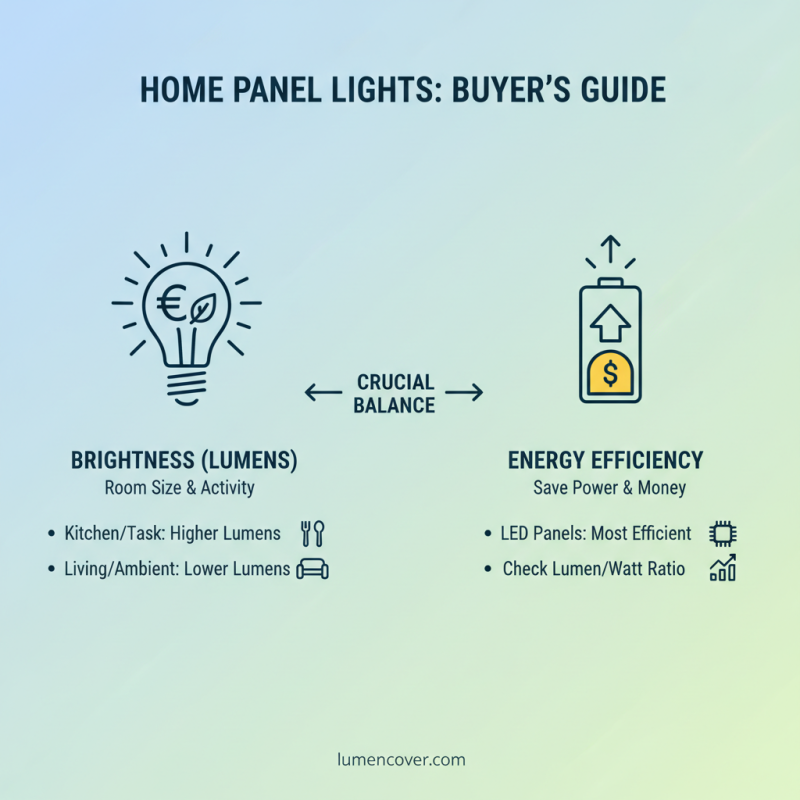
When selecting panel lights for your home, several key factors should guide your decision. First and foremost, consider the brightness level required for the specific space. Measured in lumens, the higher the lumens, the brighter the light. Assess the room size and its function—kitchens and workspaces generally require brighter lighting, while bedrooms and living areas might benefit from softer illumination.
Additionally, consider the color temperature, which is expressed in Kelvin. A cooler light (above 4000K) is often preferred for task-oriented areas, while warmer hues (below 3000K) create a cozy ambiance ideal for relaxation.
Another crucial aspect is the panel light's energy efficiency and longevity. LED panels are highly recommended for their lower energy consumption and extended lifespan, making them a cost-effective and sustainable lighting option. Moreover, pay attention to the design and installation requirements. Panel lights come in various formats, including recessed, surface-mounted, and suspended types, each suited to different architectural styles and installation preferences. Ensure that the choice of panel light complements the overall aesthetics of your home while being functional for your lighting needs.
Evaluating Brightness and Energy Efficiency of Panel Lights
When it comes to choosing panel lights for your home, evaluating brightness and energy efficiency is crucial. Brightness is generally measured in lumens, which indicate the amount of light produced by a fixture. To achieve the ideal brightness for your space, consider the size of the room and the activities you'll be performing there. For instance, kitchens and workspaces often require brighter lighting, while living areas might benefit from softer, more ambient lighting.
Tips: Always calculate the total lumens needed by multiplying the room's square footage by the desired lumens per square foot. This will help you identify how many panel lights you’ll need for optimal illumination.
Energy efficiency is another key factor in selecting panel lights. Look for options that utilize LED technology, which not only consume less electricity but also have a longer lifespan compared to traditional incandescent bulbs. Energy-efficient lights can significantly reduce your electricity bills and are better for the environment.
Tips: Check the energy rating of panel lights before purchasing. Aim for high-efficiency models that reduce wattage while maintaining adequate brightness levels. Additionally, consider integrating smart lighting solutions that allow you to adjust brightness levels according to your needs, further enhancing energy conservation.
Choosing the Right Size and Shape for Your Space
When selecting panel lights for your home, one of the most crucial considerations is the size and shape of the fixtures in relation to your space. It’s important to first assess the dimensions of the room where the lights will be installed. For larger areas, such as open-concept living rooms or kitchens, you may want to opt for larger panel lights to ensure that the illumination is distributed evenly. Conversely, smaller rooms, like cozy bedrooms or bathrooms, may benefit from compact panel designs that provide sufficient light without overwhelming the space.
Additionally, the shape of the panel lights can significantly impact the aesthetic and functionality of your room. Rectangular panel lights often work well in hallways or above kitchen islands, offering a more streamlined look, while square panels may suit more contemporary spaces, blending smoothly with modular furniture arrangements. Consider also the height of your ceilings; lower ceilings might require slimmer, flatter panels to maximize headroom, whereas higher ceilings allow for more substantial fixtures that can attractively draw the eye upwards. By carefully assessing both size and shape, you can create a harmonious lighting scheme that enhances the overall ambience of your home.
Illuminance Levels for Different Spaces
Installation Tips for Your Selected Panel Lights
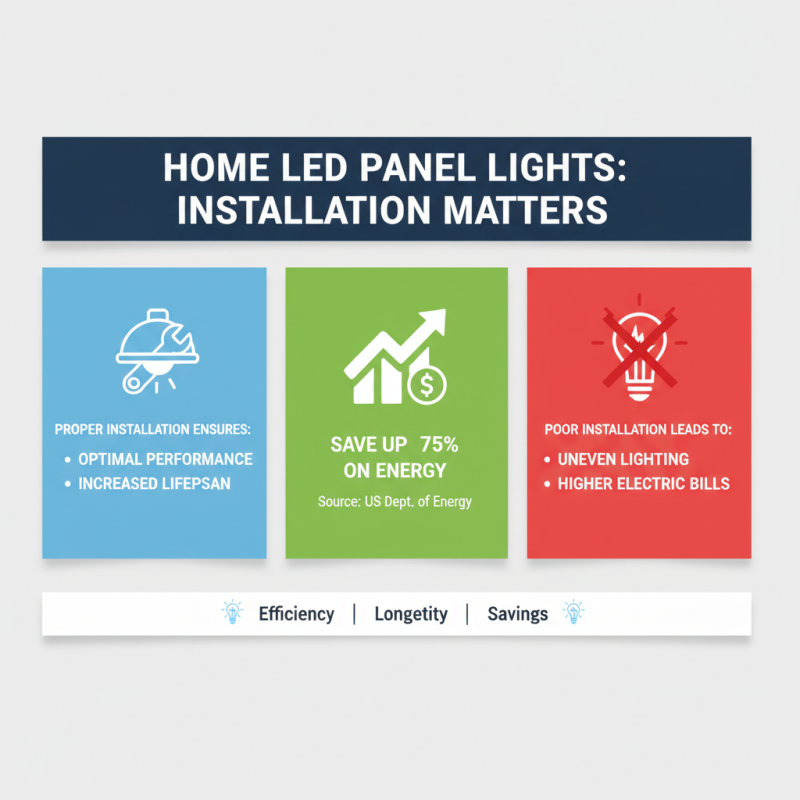
When it comes to selecting panel lights for your home, installation is a critical aspect that greatly influences their performance and longevity. Proper installation ensures maximum efficiency and allows you to enjoy their benefits without unnecessary complications. According to a report by the U.S. Department of Energy, LED panel lights can save homeowners up to 75% on energy costs compared to traditional lighting solutions. However, a poorly installed system can negate these savings, leading to uneven lighting and higher electricity bills.
One key tip for a successful installation is to assess your ceiling type before purchasing panel lights. Different ceilings, be it suspended, drywall, or concrete, may require specific mounting methods. Ensure that your lighting fixtures are compatible with your ceiling to achieve a flush finish and optimal light distribution. Additionally, consider using dimmable drivers where possible; they not only enhance ambiance but also allow you to adjust lighting based on the time of day or activity, thereby improving energy efficiency.
Before installation, double-check the electrical requirements of your panel lights. This includes verifying the voltage and ensuring that your wiring can handle the load. In many cases, hiring a licensed electrician to perform the installation can save you time and guarantee safety. Statistics from the National Fire Protection Association indicate that improper electrical installations are a leading cause of house fires, highlighting the importance of professional expertise in setting up your lighting fixtures safely and effectively.