How to Choose the Best Led Street Lights for Your Needs?
When choosing LED street lights, several factors come into play. These lights are increasingly popular for their energy efficiency and longer lifespan. However, not all LED street lights fit every scenario. It’s crucial to consider your specific needs.
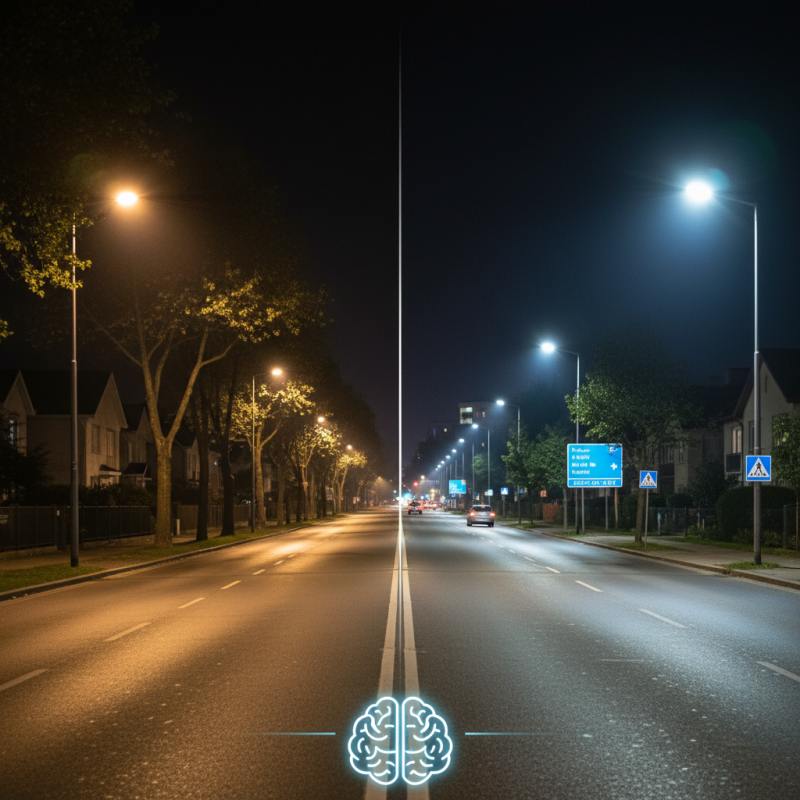
The brightness of LED street lights matters greatly. Different areas may require varying levels of illumination. For instance, residential areas might need soft lighting. In contrast, busy streets require brighter solutions to ensure safety. Additionally, consider the color temperature of the light. Warmer lights create a cozy feel, while cooler ones enhance visibility.
Budget constraints also play a role. Higher upfront costs can lead to savings in the long run. Look for products that balance price and quality. We must reflect on what features are essential versus optional. Not all lights will meet your expectations. Make sure to investigate warranty options before making a purchase.
Understanding the Basics of LED Street Lights
LED street lights are revolutionizing urban environments. Their energy efficiency, longevity, and brightness make them a popular choice. According to the U.S. Department of Energy, LED street lights consume up to 50% less energy than traditional lighting. This significant reduction cuts down on electricity costs and helps combat energy waste.
Understanding the basics of LED street lights is crucial. These lights use semiconductors to emit light. This process is efficient, producing more lumens per watt than incandescent or fluorescent options. A report from the International Energy Agency reveals that switching to LED street lighting can reduce energy usage by up to 75% in some cases.
However, there are challenges. Not all LED lights are created equal. Some may have poor color rendering or inadequate light distribution, which can lead to safety concerns. A study from the Lighting Research Center found that improper lighting can create shadowed areas, posing risks. It’s important to assess the specific needs of your area before making a decision. After all, better lighting should enhance safety, not compromise it.
LED Street Lights Comparison
This chart compares the luminous efficacy (lumens per watt) of different color temperatures for LED street lights. Higher values indicate better energy efficiency and brightness. Choose the appropriate color temperature based on your functional needs and aesthetic preferences.
Evaluating Different Types of LED Street Lights Available
When evaluating different types of LED street lights, it's essential to understand the options available. LED street lights come in various designs, including shoebox lights, cobra head fixtures, and decorative styles. Each type serves a unique purpose, impacting both function and aesthetics. Reports indicate that LED street lights can reduce energy consumption by up to 75% compared to traditional lighting. This dramatic reduction can lead to substantial savings for municipalities.
Choosing the right light isn’t just about cost. The lumen output is crucial. Lights should be bright enough for the specific area but not overly harsh. An overly bright light can create glare, while a dim light may not ensure safety. Consider the color temperature as well. Cooler temperatures provide better visibility but can feel sterile.
Tip: Take a detailed look at photometric reports. They show how light distributes over an area. This data will guide you in selecting lights tailored to your needs. Always assess installation requirements, too. Some fixtures may need specific mounting heights or brackets.
Evaluate your areas thoroughly. Not all spaces will benefit from the same type of lighting. Reflection on the environment and community needs can lead to better decisions and enhanced safety. A light that’s perfect for one location might not suit another. Be aware of these differences.
Key Features to Consider When Selecting LED Street Lights
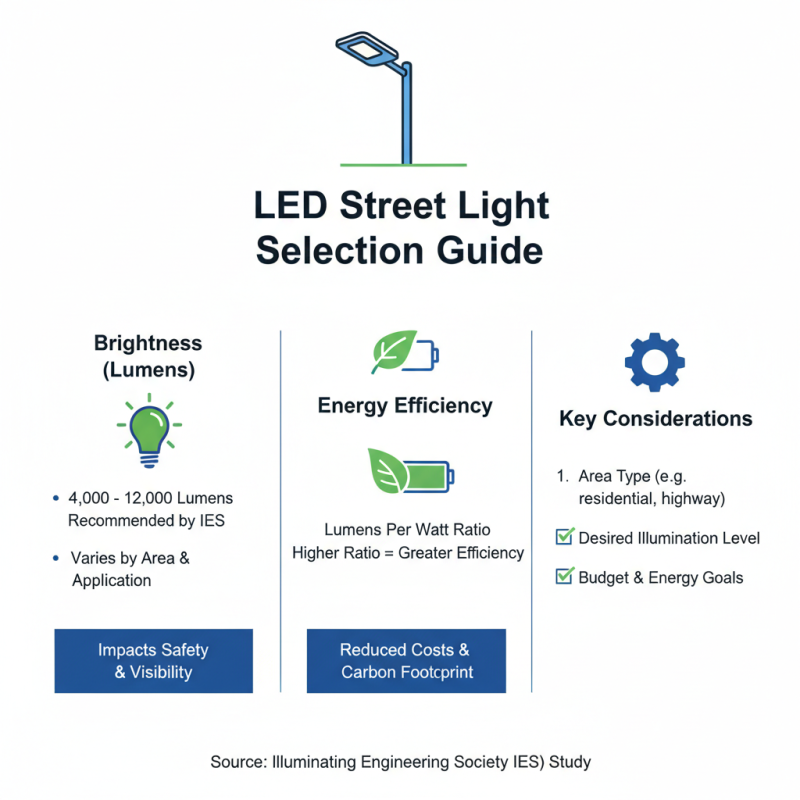
When selecting LED street lights, it's crucial to consider key features that meet your specific needs. The brightness level, measured in lumens, directly impacts safety and visibility. A study by the Illuminating Engineering Society (IES) suggests that street lights should emit between 4,000 to 12,000 lumens for effective illumination. However, depending on the area and application, some may require more or less. Understanding the lumens per watt rating can also help in assessing energy efficiency. A higher ratio means greater efficiency, which leads to lower energy costs and a reduced carbon footprint.
Moreover, durability is a critical factor. LED street lights should withstand harsh weather conditions and vandalism. Materials like aluminum and polycarbonate are commonly recommended. According to the Department of Energy, quality LED fixtures can last up to 100,000 hours, significantly outpacing traditional lighting. However, installation quality often gets overlooked. Poor installation can lead to early failures, leaving towns with dark streets. Attention to detail in the installation phase can mitigate such risks.
Finally, consider the lighting distribution pattern. Uneven illumination can create dark spots, making streets unsafe. Research indicates that proper design can reduce accidents by 30%. Be aware that not all products will perform as advertised. Ongoing assessments and feedback from street users can help ensure the chosen lights meet community safety needs effectively. Balancing these considerations will help you select the best LED street lights for your area.
Assessing the Energy Efficiency and Lifespan of LED Options
When selecting LED street lights, energy efficiency and lifespan are critical factors. According to the U.S. Department of Energy, LED street lights can save up to 50% more energy compared to traditional street lighting. This reduction can lead to significant cost savings for municipalities over time. In some cases, cities report savings in operational costs reaching nearly $200,000 annually due to lower energy consumption.
Lifespan is another essential consideration. LEDs typically last 25,000 to 50,000 hours. This is much longer than high-pressure sodium lamps, which last around 24,000 hours. The extended lifespan of LED lights means less frequent replacements, reducing maintenance costs. However, some LED models may begin to degrade in efficacy after 30,000 hours. It's vital to choose models with high-quality components that ensure long-term performance without frequent failures.
Some municipalities have reported challenges, such as glare from high-intensity LEDs. Proper placement and shielding can mitigate this issue. Additionally, the initial investment for high-quality LEDs may be higher. It's crucial to balance upfront costs with long-term savings. Evaluating energy efficiency and lifespan can help ensure the selection of the most suitable LED street lights for diverse needs.
How to Choose the Best Led Street Lights for Your Needs?
| Model |
Lumens Output |
Wattage |
Energy Efficiency (lm/W) |
Lifespan (Hours) |
Warranty (Years) |
| LED Street Light A |
10,000 lm |
100 W |
100 lm/W |
50,000 hours |
5 years |
| LED Street Light B |
12,000 lm |
120 W |
100 lm/W |
55,000 hours |
6 years |
| LED Street Light C |
8,500 lm |
85 W |
100 lm/W |
40,000 hours |
4 years |
| LED Street Light D |
15,000 lm |
150 W |
100 lm/W |
60,000 hours |
7 years |
Budgeting for Your LED Street Lighting Project
Budgeting for an LED street lighting project can seem daunting. Start by assessing your needs. Understand the areas requiring illumination. Evaluate existing infrastructure. This step ensures you allocate funds accurately.
Next, consider installation costs. If existing poles can be used, expenses may reduce. But, new poles or fixtures elevate costs. Factor in ongoing maintenance too. Regular upkeep can become pricey. Set aside a portion of your budget for unforeseen expenses.
In addition, think about energy savings. LED lights consume less power. Calculate how much you’ll save over time. This can offset initial investments. Aim for a balance between quality and cost. Some cheaper options might lack durability, leading to higher long-term expenses. Reflect on past decisions. Ensure you’re investing wisely.