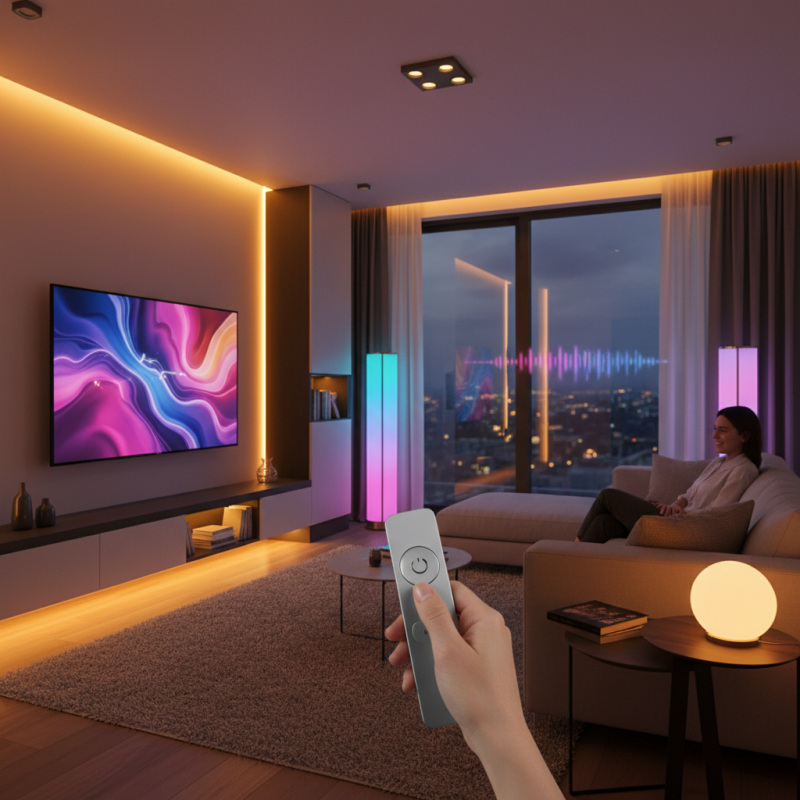
How to Choose the Best Color Changing Lights for Your Home?
Choosing the right Color-Changing Lights can transform your home. These lights offer unique ambiance and versatility. They allow you to adjust the mood with a tap or voice command.
Consider your space and needs. Do you want warm tones for relaxation or vibrant colors for parties? The variety is astounding. Some lights sync with music, while others help you unwind with softer hues. But not all options are created equal.
Quality matters. Cheap lights might not have the range or longevity you expect. Look for brands with good reviews. Pay attention to features like smart home compatibility. Reflect on what makes your space feel inviting. Remember, the right color-changing lights can truly enhance your living experience.
Understanding the Basics of Color Changing Lights
Color changing lights are becoming increasingly popular in home decor. These lights not only enhance aesthetics but also affect mood and ambiance. A recent report by the American Psychological Association highlighted that lighting color can significantly influence feelings of relaxation and comfort. For example, blue tones tend to create a calming effect, while warmer hues like orange and red can energize a space.
When selecting color changing lights, consider factors such as brightness and compatibility. Energy efficiency is also crucial. According to the Department of Energy, LED lights consume up to 75% less energy than traditional bulbs. However, some users report issues with color accuracy and reliability, making it essential to choose wisely. Not every light will display colors consistently, leading to potential disappointment.
Customization is key. Many systems allow users to control light through apps, but technical glitches can occur. Feedback from consumers reveals frustration with connectivity issues. Understanding these basics will help you make informed choices for a better home environment. Balancing aesthetics, functionality, and personal preference can lead to a satisfactory result, but reflection is needed if the chosen lights do not perform as expected.
Types of Color Changing Lights Available for Home Use
Color changing lights come in various types, each offering unique benefits. Smart LED bulbs are among the most popular choices. They can be controlled via an app, allowing for customization of color and brightness. These bulbs easily fit into existing fixtures, making them ideal for renters. However, they can sometimes be complicated to set up for a tech novice.
Another option is color changing strips. These flexible strips can be installed in various locations, such as under cabinets or along shelves. They provide a vibrant glow that enhances any space. However, adhesive backing may not stick well on all surfaces, leading to frustrating installations. Plus, they might not hold up well in humid areas.
Lastly, there are color changing lamps. These often serve as accent pieces while providing dynamic lighting. Many models feature touch control or remote settings. Although they offer convenience, their larger size can limit placement options. It's crucial to consider how each type fits into your home's aesthetic and functional needs. Be sure to weigh these factors carefully.
Key Features to Consider When Selecting Color Changing Lights
Choosing color changing lights for your home requires careful consideration of key features. First, think about brightness. Different bulbs offer varying levels of luminosity. A dimmer option can create a cozy atmosphere. But ensure it’s not too dim, especially for work areas.
Another important factor is color selection. Some lights have a limited color range. Others can cycle through millions of colors. This can enhance your decor significantly. However, too many options can be overwhelming. Pick a light that complements your existing color scheme.
Tips: Test the brightness in different rooms. Notice how colors change with wall shades. Also, consider the ease of use. Smart lights can be convenient. But if they’re too complicated, they might frustrate you. Lastly, always think about energy efficiency. It can save money in the long run.
Comparative Analysis of Color Changing Lights Features
How to Determine the Right Location for Installation
Choosing the right location for color changing lights can significantly enhance your home’s ambiance. Think about where you spend most of your time. Common areas like the living room and kitchen are great choices. However, don’t overlook the bathroom or bedroom, where you can create a relaxing atmosphere.
Consider both functionality and mood. Install lights above artwork or in recessed areas to highlight features. But remember, too much lighting can overwhelm the senses. Experiment with various placements. Try placing lights near windows; the natural light can change the effect throughout the day.
Additionally, think about the purpose of each room. Is it for relaxation or entertainment? Adjusting the colors can set the mood, but balance is key. A dimly lit space might feel cozy, but it can also feel cramped. Reflection on how each area is used will guide your decisions. Keep in mind that the wrong spot may dull the intended effect. Adjusting might take multiple tries, and that’s okay.
How to Choose the Best Color Changing Lights for Your Home? - How to Determine the Right Location for Installation
| Location | Recommended Light Type | Brightness Level (Lumens) | Color Temperature (Kelvin) | Control Method |
| Living Room | Smart LED Bulbs | 800-1600 | 2700-3000 | App/Remote |
| Bedroom | LED Strip Lights | 600-800 | 3000-4000 | Voice Control |
| Kitchen | Recessed Lighting | 1000-1500 | 3500-4100 | Wall Switch |
| Bathroom | Vanity Lights | 500-800 | 4000-5000 | Switch/Remote |
| Outdoor | Landscape Lighting | 200-800 | 3000-6000 | Solar/Timer |
Tips for Using Color Changing Lights to Enhance Home Ambiance
Color changing lights can dramatically transform a room. They offer versatility and personalization. According to a recent study, 60% of homeowners believe lighting influences their mood. This statistic underscores the importance of choosing the right colors for your space. Warm tones, like soft oranges or reds, create a cozy atmosphere. Conversely, cool tones, like blues and greens, can bring about calm and focus.
To enhance ambiance, consider your room's function. In living areas, warm and vibrant hues encourage conversation and relaxation. In bedrooms, softer blues can promote restful sleep. A study found that strategic color selection can increase feelings of well-being by up to 30%. Additionally, using dimmers can help further customize the environment.
Experimentation is key. Not every color will suit every occasion. Some colors may be overwhelming or clash with your decor. Be prepared to adjust and rethink your choices. Lighting should evolve with your preferences, enhancing but not overshadowing your space. An open-minded approach will lead to the best results as you adapt your lighting to your lifestyle.