How to Choose the Best Carbon Electrode Paste for Your Needs?
Selecting the right Carbon Electrode Paste is crucial for various industrial applications. In the global market, the demand for high-quality carbon paste has increased significantly. According to recent industry reports, the carbon electrode paste market is projected to grow at a CAGR of over 6% through 2027. This trend stems from the expansion of the aluminum and steel industries, where carbon paste plays a vital role.
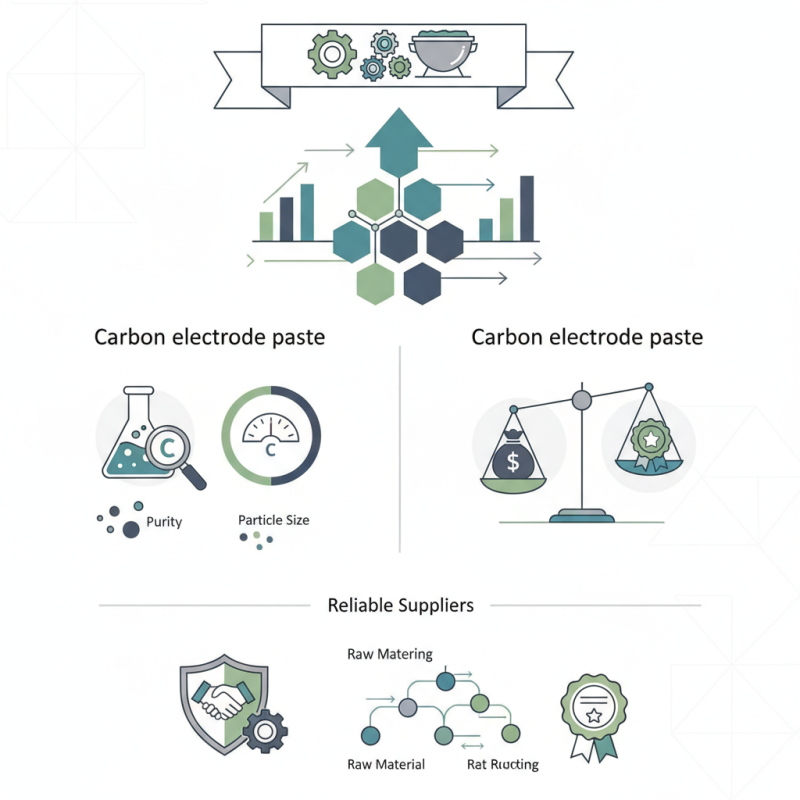
When choosing Carbon Electrode Paste, consider key factors such as purity and particle size. Impurities in the paste can affect performance and lead to higher production costs. A study found that pastes with higher carbon content exhibited better conductivity and efficiency. However, price sensitivity is also a concern. The best product may not always be the most expensive. Striking a balance between quality and cost is essential.
It's important to evaluate suppliers and their credentials. Manufacturing techniques and raw material sourcing can greatly influence paste performance. Some suppliers may promise exceptional results but lack the necessary certifications. This can lead to subpar products that don't meet industry standards. Always seek reliable partners in the carbon paste market to ensure optimal outcomes for your projects.
Understanding Carbon Electrode Paste: Key Characteristics to Consider
When choosing carbon electrode paste, it’s essential to understand its key characteristics. This type of paste is vital for various industrial applications, especially in the production of aluminum and other non-ferrous metals. High-quality carbon electrode paste should exhibit excellent electrical conductivity and thermal stability. These properties influence its performance significantly.
Another important factor to consider is the paste's viscosity. The right consistency allows for easy application and optimal adhesion to the electrodes. A paste that is too thick may lead to application difficulties, while one that is too runny could result in poor structural integrity. Moreover, different applications may require specific additives. These can enhance the paste’s properties but may also complicate the selection process.
Testing and evaluating samples is often necessary. No single paste suits every application perfectly. Variability in production methods and ingredient quality can lead to inconsistencies. Engaging with industry experts and conducting preliminary tests can guide you to a more reliable choice. Always keep in mind that the characteristics you prioritize may vary based on your specific needs and application scenarios.
Different Applications of Carbon Electrode Paste: Choosing the Right Type
When selecting carbon electrode paste, it's essential to consider its application. Various industries utilize this material in distinct ways. For instance, in aluminum smelting, the paste must withstand extreme temperatures and oxidation. It ensures efficient conductivity and minimizes energy loss. Selecting a high-quality paste can significantly affect production efficiency.
In the field of battery manufacturing, the requirements differ. Carbon paste for batteries focuses on energy transfer and stability. It's crucial for maintaining battery performance and lifespan. Attention to grain size and purity can impact the final product's efficiency. Different applications require specific properties, creating challenges in choice.
It's important to connect with experts or conduct research on materials. Testing various types can help identify the best fit. Each application may reveal unique needs that a standard product doesn’t meet. Reflection on past experiences can guide better decisions. Consider the nuances of your specific application, as these details truly matter.
Assessing Quality: What to Look for in Carbon Electrode Paste Suppliers
When selecting a carbon electrode paste, supplier quality is crucial. Start by evaluating the supplier’s experience in the industry. A well-established supplier often has a wealth of knowledge. This expertise can lead to better product formulations and performance. Ask about their production processes. Transparency is a good sign of reliability and accountability.
Consider the materials used in the paste. High-quality carbon sources and binders matter. Suppliers should be open about their sourcing. Certifications for environmental compliance also indicate legitimacy. Check for testimonials or case studies. These can shed light on past performance and user satisfaction.
Quality control is another key factor. Inquire about the testing methods they employ. Do they have a dedicated quality assurance team? It’s important to know how they ensure consistency. Remember, a cheaper option might not deliver in the long run. It’s essential to weigh cost against value. Finding the right balance can be challenging but necessary for successful applications.
Comparing Performance: Evaluating Electrode Paste Brands and Products
When evaluating electrode paste brands, performance is key. A high-quality paste can significantly affect the efficiency of the carbon electrode. Users should look for specific indicators like thermal conductivity and density. These factors directly influence paste performance. Consider the intended application as well. Some pastes work better in high-temperature settings. Others may excel in environments with high electrical demands.
Technical specifications are crucial when comparing products. Look for details on electrical resistance and viscosity. These metrics provide insight into how well the paste will perform in various conditions. Testing samples before making a commitment can be beneficial. This hands-on approach offers real-world insights, allowing users to observe paste behavior firsthand.
It’s also helpful to read reviews and user experiences. Gather information from multiple sources to avoid biased opinions. Different projects may yield varied results based on the same product. Analytical reports and testimonials can paint a broader picture. Remember to assess the long-term performance of the paste as well. Sometimes, initial effectiveness does not translate into lasting results.
Cost vs. Quality: Budgeting for Your Carbon Electrode Paste Needs
When selecting carbon electrode paste, budgeting is crucial. Balancing cost and quality can be challenging. Quality products often come at a higher price. A lower cost might save money initially but could lead to performance issues later.
Invest in trusted suppliers with a proven track record. Research their specifications and customer feedback. A small price difference can reflect the quality of materials used. Inexperienced buyers might overlook these details. This can result in poor efficiency and increased maintenance costs. The right paste can enhance yield, making it a wise investment.
Consider the specific needs of your operation. Not every paste suits every application. Assess your production volume and environmental factors. This reflection can help you choose wisely. Ultimately, aiming for the best quality within your budget will pay off. Cheaper options may become costly in the long run, both in money and performance. Make each choice count.
How to Choose the Best Carbon Electrode Paste for Your Needs? - Cost vs. Quality: Budgeting for Your Carbon Electrode Paste Needs
| Attribute | Budget Option | Mid-Range Option | Premium Option |
| Price per kg | $1.50 | $3.00 | $5.00 |
| Conductivity (S/m) | 200 | 400 | 600 |
| Density (g/cm³) | 1.15 | 1.20 | 1.25 |
| Ash Content (%) | 8 | 5 | 2 |
| Shelf Life (months) | 6 | 12 | 18 |

