How to Choose the Best 2205 Stainless Steel Coil for Your Needs?
Selecting the right 2205 Stainless Steel Coil is crucial for many applications. Whether you're considering it for construction, manufacturing, or other sectors, the quality and specifications matter. This duplex stainless steel alloy combines high strength with excellent resistance to corrosion, making it a popular choice. However, not every 2205 coil is the same.
Understanding the needs of your project is essential. Factors such as thickness, width, and surface finish play a critical role in the performance of the material. Inadequate attention to detail can lead to costly mistakes. Buyer reviews and expert recommendations can provide valuable insights into your options. Are you sure about your supplier's reliability? Trust and expertise in materials are vital.
Moreover, considering the environment where the steel will be used is key. The right choice can enhance durability, while a poor choice can lead to premature failure. Use the unique properties of 2205 Stainless Steel Coil to your advantage. Assess your requirements carefully.
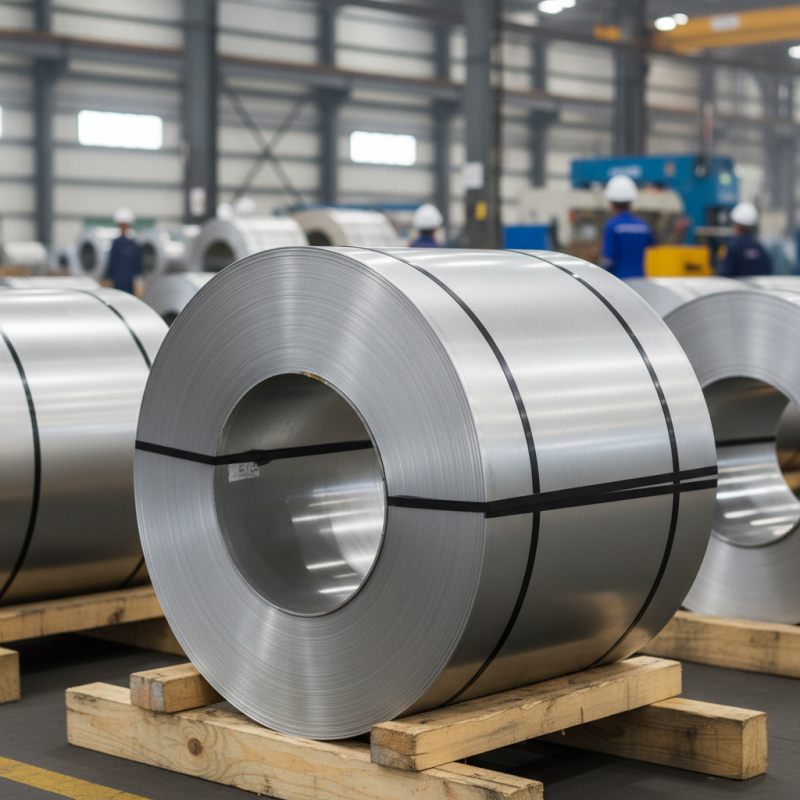
Understanding 2205 Stainless Steel: Composition and Properties
When considering 2205 stainless steel, it’s crucial to understand its composition and properties. This duplex steel combines roughly 22% chromium and 5% nickel, offering an excellent balance between strength and corrosion resistance. It is designed for environments exposed to brine solutions and oxidizing acids. According to industry data, its yield strength is nearly double that of standard austenitic stainless steels, making it suitable for high-stress applications.
2205 stainless steel exhibits superior toughness at low temperatures. It can withstand temperatures as low as -50°C without losing its mechanical integrity. Additionally, it shows high resistance to pitting and crevice corrosion, which often challenge other stainless steels. When selecting 2205, evaluating factors such as heat treatment processes is essential, as improper treatment can lead to brittleness. Data suggests that proper annealing strengthens its structure, enhancing performance under challenging conditions.
While 2205 stainless steel is advantageous, it may not be ideal for all situations. Its higher alloy content can lead to increased costs. Furthermore, fabrication can be more complex compared to regular stainless steels, necessitating skilled personnel. Understanding these nuances is vital for selecting the best material for your project.
Key Factors to Consider When Selecting 2205 Stainless Steel Coils
When selecting 2205 stainless steel coils, several key factors play a critical role. Understanding the specific application is essential. Different industries have unique requirements. For example, the oil and gas sector demands higher corrosion resistance compared to construction. Knowing the environment where the coil will be used helps in making an informed choice.
Thickness and width also matter. Coils come in various sizes, and each dimension suits different applications. A thicker coil may offer more durability but can be heavier and harder to work with. Evaluating your project needs allows you to balance durability and workability effectively. Additionally, consider the tensile strength. High tensile strength ensures longevity and reduces the likelihood of deformation.
Don’t overlook the supplier’s reputation. A reliable source provides coils that meet industry standards. However, not all suppliers deliver consistent quality. Research and reviews can help find trusted manufacturers. Compare pricing and warranties. Sometimes, a lower price may indicate compromised quality. Reflection on your choices can lead to better purchasing decisions.
Applications of 2205 Stainless Steel Coils in Various Industries
2205 stainless steel coils are used widely across various industries due to their excellent mechanical properties. This duplex alloy contains high levels of chromium and nickel, which enhance its resistance to corrosion and stress corrosion cracking. According to a report from the American Society of Materials, 2205 stainless steel has a notably lower corrosion rate in chloride-rich environments compared to other alloys, making it ideal for maritime applications.
In construction, 2205 stainless steel coils are favored for their strength and durability. They can be found in structural components and architectural features. ASCE reports indicate that using duplex stainless steel in building infrastructure can extend the service life by up to 30 years. However, it is essential to consider the potential for handling and installation challenges, as the material can be tougher to machine than standard austenitic steels.
The chemical processing industry also benefits from 2205 coils, especially in manufacturing equipment that faces high-pressure conditions. Various studies highlight that the alloy performs well in environments with high acidity and temperature variations. Nonetheless, engineers must be cautious of the alloy's weldability. If not properly managed, it may result in weakened joints. Balancing these factors is crucial for maximizing the advantages of 2205 stainless steel coils.
Comparing 2205 Stainless Steel with Other Grades: Pros and Cons
When comparing 2205 stainless steel with other grades, several factors come into play. This duplex steel offers superior resistance to corrosion and stress corrosion cracking. It has a higher strength than austenitic grades, making it ideal for tough environments. In applications involving saltwater or chemical exposure, 2205 stands out due to its unique composition.
However, 2205 is not without its drawbacks. It can be more challenging to weld compared to softer stainless steels. Precision and care are paramount during the welding process. Improper techniques can lead to weaknesses in joints. Furthermore, 2205’s cost may be higher than that of conventional stainless steels.
In contrast, grades like 304 and 316 might be easier to work with. They also provide good corrosion resistance, although not to the level of 2205. Considering these aspects is vital. Assess your project's specific needs before making a choice. While 2205 excels in many areas, sometimes, simpler solutions could suffice.
Tips for Sourcing Quality 2205 Stainless Steel Coils from Suppliers
When sourcing quality 2205 stainless steel coils, it's essential to assess potential suppliers carefully. Look for manufacturers with a strong reputation in the industry. Website reviews and customer testimonials can provide insights into their reliability. However, do not rely solely on online feedback; direct communication is key. Inquire about their production processes. Ask how they ensure quality control at each stage. Consistent practices reflect reliability.
Check for certifications that meet industry standards. These credentials often indicate adherence to strict guidelines and practices. Transparency is vital; reliable suppliers should readily share their certifications and test results. Create an open dialogue about your specific needs. Share details about your project. Understanding their capabilities will help gauge whether they can meet your requirements efficiently.
Visiting the production facility can provide additional peace of mind. Observing operations firsthand allows for a better understanding of their quality measures. It also highlights their commitment to customer service. This step may seem time-consuming, but it can prevent costly mistakes. Beware of suppliers that rush this process or avoid direct communication. Quality over quantity is always a prudent approach in sourcing materials.

