Why Choose Fiberglass Ceiling for Your Next Project?
When planning your next construction project, consider the advantages of a Fiberglass Ceiling. This innovative choice is gaining popularity among architects and builders alike. Its unique properties can significantly enhance the aesthetic and functional aspects of a space.
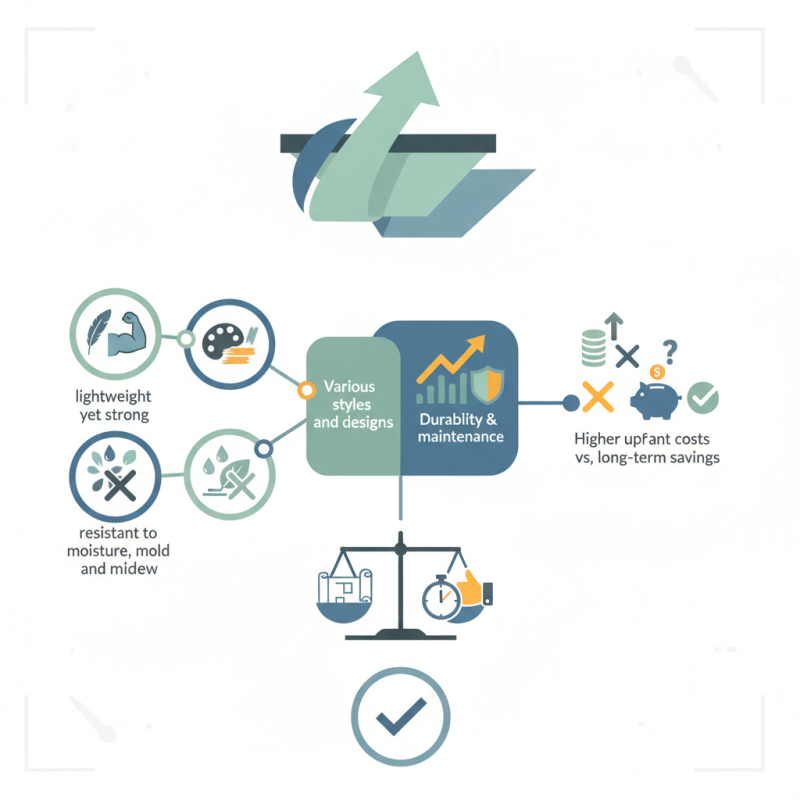
Fiberglass ceilings are lightweight yet strong, making installation easier. They come in various styles and designs, allowing for customization to fit any interior theme. The material is also resistant to moisture, mold, and mildew. This durability ensures a long-lasting solution that requires minimal maintenance.
Potential drawbacks exist, though. Some may find the upfront costs higher than traditional materials. However, the long-term savings on repairs and replacements can justify the initial investment. Ultimately, a Fiberglass Ceiling might be the ideal choice for those seeking a blend of style and performance.
Benefits of Fiberglass Ceilings in Commercial Spaces
Fiberglass ceilings are gaining popularity in commercial spaces due to their numerous advantages. They offer superior acoustic performance, making them ideal for busy environments. Noise reduction is essential in settings like offices and restaurants, where clear communication is vital. Fiberglass ceilings minimize sound transmission and create a more pleasant atmosphere. This feature enhances productivity and customer satisfaction.
Another notable benefit is the versatility of fiberglass materials. They come in various designs and finishes, allowing for creative projects. Whether you're aiming for a sleek modern look or a cozy feel, fiberglass ceilings can match your vision. Their light weight also simplifies installation, which can save both time and labor costs. Ultimately, while fiberglass ceilings are generally reliable, improper installation can lead to issues like sagging or uneven surfaces. It’s crucial to engage professionals with experience to avoid potential pitfalls.
Additionally, fiberglass ceilings are resilient to moisture and mold. This makes them ideal for areas prone to humidity, like kitchens and bathrooms. While they are durable, care must be taken to maintain their appearance. Regular cleaning and maintenance are necessary to prevent deterioration over time. Despite these challenges, the advantages of fiberglass offer significant value for commercial projects.
Why Choose Fiberglass Ceiling for Your Next Project? - Benefits of Fiberglass Ceilings in Commercial Spaces
| Benefit | Description | Application |
| Lightweight | Fiberglass ceilings are easy to handle and install, reducing labor costs and installation time. | Ideal for large commercial spaces where quick installation is required. |
| Moisture Resistant | These ceilings resist mold and mildew, making them suitable for high-humidity areas. | Perfect for bathrooms, kitchens, and areas near swimming pools. |
| Fire Resistant | Fiberglass has a high melting point and is less likely to ignite compared to other materials. | Essential for compliance with safety regulations in commercial buildings. |
| Acoustic Performance | Fiberglass ceilings offer excellent sound absorption, enhancing privacy and comfort. | Suitable for office spaces, conference rooms, and auditoriums. |
| Aesthetic Versatility | Available in various designs, colors, and textures to match any interior style. | Great for retail environments and hospitality settings where aesthetics matter. |
Acoustic Performance: Sound Attenuation in Fiberglass Ceilings
Acoustic performance is a critical aspect of any building project. Fiberglass ceilings offer exceptional sound attenuation, making them a popular choice for various applications. According to industry reports, fiberglass panels can reduce sound transmission by up to 85%. This performance is vital in areas like offices or schools, where noise can disrupt productivity and learning.
The structure of fiberglass itself contributes to its superior acoustic properties. The porous nature of fiberglass allows it to absorb sound waves effectively. This absorption minimizes echoes and reverberation, creating a more pleasant environment. Studies indicate that using fiberglass ceilings can improve speech clarity by 25%, enhancing communication in both professional and educational settings.
While fiberglass ceilings have many benefits, they may not suit every project. Installation can be delicate, requiring skilled labor to ensure optimal performance. Some may also raise concerns about durability in high-moisture areas. Reflecting on these aspects can help you make the best choice for your project. Balancing sound performance with practical considerations is essential for achieving your design goals.
Durability and Maintenance: Long-lasting Solutions in Construction
When considering materials for your next construction project, fiberglass ceiling panels stand out for their durability and low maintenance needs. Unlike traditional materials, fiberglass resists moisture and mold. This feature makes it ideal for areas with high humidity, such as bathrooms and kitchens. Homeowners appreciate the durability that fiberglass offers. They often discover that it holds up well against wear and tear.
Tips for maintenance include regular cleaning with a damp cloth. Avoid abrasive cleaners that can scratch the surface. Inspect the ceiling periodically for any signs of damage. Although fiberglass is tough, it’s not invincible. Look for tiny cracks or chips that may need attention. Addressing these issues early can prevent bigger problems.
Fiberglass ceilings also offer versatility in design. They come in various styles and colors, fitting different aesthetics. However, the installation process can be tricky. Hiring a professional may be beneficial. DIY enthusiasts should take time to ensure they understand the techniques involved. A poorly installed ceiling can lead to issues like sagging. Think about seeking guidance if you’re unsure.
Cost-Effectiveness: Budget-Friendly Options for Ceiling Designs
Choosing fiberglass ceilings for your next project can significantly enhance your design while being budget-friendly. Fiberglass offers various aesthetic options that resemble traditional materials without the hefty price tag. You can achieve the look of wood or metal without the added costs and maintenance.
Installation is often straightforward, making it accessible for various skill levels. Even professionals might face challenges during the installation process. Working with fiberglass requires precision. Small errors can lead to noticeable imperfections. Selecting a reliable contractor or DIY enthusiast who understands fiberglass nuances can mitigate these issues.
Another cost-saving aspect is energy efficiency. Fiberglass ceilings can help regulate temperature and reduce heating and cooling costs. This long-term benefit can offset initial expenses. However, it's essential to consider the environmental impacts. Not all fiberglass products are created equally. Opting for eco-friendly options is a vital step in making a responsible choice. This consideration can contribute to sustainability, adding another layer to your project’s value.
Cost-Effectiveness of Fiberglass Ceilings
This chart illustrates the cost-effectiveness of various ceiling materials, highlighting the affordability of fiberglass ceilings compared to other options.
Sustainability: Eco-Friendly Aspects of Fiberglass Materials
Fiberglass ceiling materials represent a significant advancement in sustainable design. With a focus on eco-friendliness, these materials are made from glass fibers and resin, which can be recycled. According to a report by the Environmental Protection Agency, approximately 95% of fiberglass can be repurposed, reducing landfill waste. This recycling potential positions fiberglass as a viable choice for environmentally conscious projects.
Moreover, fiberglass ceilings often provide excellent insulation. Some studies show that they can reduce energy consumption by up to 20%. Creating a more energy-efficient environment benefits not only the occupants but also the planet. However, there are challenges to consider. Manufacturing processes can still release volatile organic compounds, and some environmentalists raise concerns about the long-term impacts on air quality.
Balancing these variables is crucial. While fiberglass offers many sustainable benefits, it is essential to continue exploring safer production methods. More innovations are necessary to ensure that the growth in fiberglass use does not compromise air quality or public health. Engaging with trusted suppliers who prioritize sustainability can also enhance project outcomes.