How to Cast Stainless Steel for Lasting Durability?
Casting stainless steel is a meticulous process. It combines art and science to create durable products. Many industries rely on cast stainless steel for its strength and resilience.
When casting stainless steel, understanding its properties is crucial. The alloy's composition influences the final product's durability. This means choosing the right grade and method for casting. Each factor can affect performance and longevity in various applications.
Despite advances in technology, challenges remain. Flaws can arise during the casting process. Factors such as temperature control and cooling rates can lead to imperfections. Being aware of these pitfalls helps improve quality. Ultimately, casting stainless steel requires careful planning and execution. Each step matters in creating components that withstand the test of time.
Choosing the Right Stainless Steel Alloy for Casting Durability
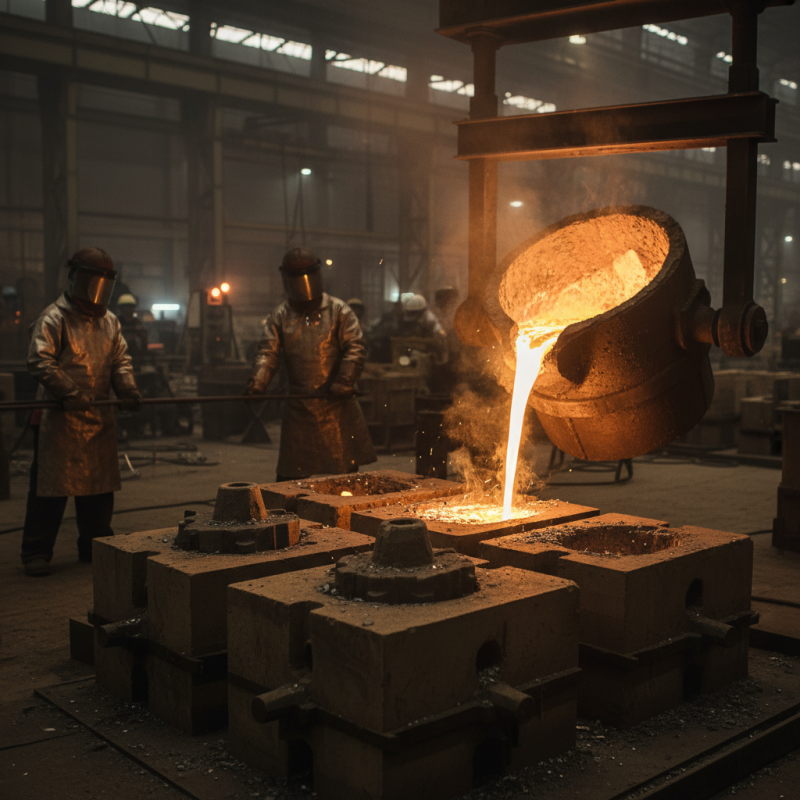
When selecting a stainless steel alloy for casting, understanding durability is essential. Stainless steel grades vary significantly in their properties. For example, AISI 304 and AISI 316 are common choices. AISI 304 offers good corrosion resistance, but its performance in high-stress environments can be inadequate. On the other hand, AISI 316 includes molybdenum, which enhances resistance to pitting in chloride conditions. Such differences can mean the longevity of your castings.
According to a report by the International Stainless Steel Forum, the global demand for stainless steel is projected to rise by 3.5% annually. This trend underscores the importance of choosing the right alloy. More than 45% of stainless steel is used for construction and industrial applications. Therefore, using high-quality alloys is not just a choice; it's a necessity for lasting durability.
However, even the best alloys must be cast correctly. Issues like inconsistent temperatures during casting can lead to weak areas in the final product. Defects like porosity and inclusions can also compromise the integrity of the casting. Quality control during the alloy selection and casting process is crucial. Manufacturers need to continuously refine their techniques to ensure the best outcomes.
Preparing the Mold for Stainless Steel Casting Process
Preparing the mold is a crucial step in the stainless steel casting process. The quality of the mold directly affects the final product's durability. A well-prepared mold minimizes defects and enhances the casting's structural integrity. According to industry reports, over 40% of casting failures are linked to mold issues. Precision in mold design and preparation is essential.
The mold material must withstand high temperatures during casting. Common choices include sand, metal, and ceramic. Each material has its pros and cons. For instance, sand molds are easier to create but may not hold their shape well under heat. This can lead to imperfections in the final product. On the other hand, ceramic molds are more durable but often come at a higher cost.
Mold release agents are another key consideration. These agents help prevent the stainless steel from sticking to the mold. However, selecting the right agent is vital. Using the wrong one can create surface defects. Data suggests that up to 20% of casting defects arise from mold release issues. Continuous improvement in mold preparation practices is necessary to ensure high-quality stainless steel castings.
How to Cast Stainless Steel for Lasting Durability? - Preparing the Mold for Stainless Steel Casting Process
| Step | Description | Materials Needed | Estimated Time |
| 1 | Select a mold design | CAD software, design tools | 2 hours |
| 2 | Prepare the mold material | Sand, resin binder | 1 hour |
| 3 | Construct the mold | Mold box, tools | 3 hours |
| 4 | Dry and cure the mold | Heat source | 4 hours |
| 5 | Pour stainless steel into mold | Furnace, ladle | 1 hour |
| 6 | Cooling and demolding | Cooling area | 2 hours |
Understanding the Casting Techniques for Better Durability
When it comes to casting stainless steel, understanding the techniques is crucial for achieving durability. A common method involves sand casting. This approach allows for intricate designs and good surface finishes. However, it requires careful temperature control. Too high a temperature can cause warping.
Another technique is investment casting, ideal for complex shapes. This method offers higher precision but can be more expensive. The precision also leads to less waste, which is more sustainable. Each technique has its own pros and cons that must be considered.
**Tips:**
- Always test samples before full-scale production. This helps identify potential issues in the casting process.
- Monitor the cooling rates to prevent internal stress and cracks. Uneven cooling can weaken the final product.
- Document your processes meticulously. This will help refine techniques over time and improve the quality of the castings.
Embracing imperfections can lead to innovation. Experimenting with different alloys may yield surprising results. Don't shy away from testing the limits of your equipment. Each failure can teach valuable lessons for future projects.
Stainless Steel Casting Techniques and Their Durability
Post-Casting Treatments to Enhance Stainless Steel Longevity
Post-casting treatments play a vital role in enhancing the longevity of stainless steel. After casting, stainless steel is often left with surface imperfections and residual stress. These flaws can impact the material's durability. Thus, addressing these issues through post-casting processes is essential.
One effective treatment is heat treatment. By heating stainless steel to high temperatures, one can relieve internal stresses. This process improves its strength and reduces the likelihood of cracking. Additionally, passivation enhances corrosion resistance. This chemical treatment removes free iron from the surface, creating a protective oxide layer. Without this step, the steel may corrode faster than expected.
Surface finishing is also crucial. Methods like polishing or sandblasting can smooth out imperfections. A smoother surface not only looks better but is easier to clean. A neglected surface can harbor contaminants and lead to rust. It’s important to remember that regular maintenance after these treatments is essential. Ignoring care may shorten the lifespan of the stainless steel pieces, leaving them vulnerable to damage over time.
Maintaining and Caring for Cast Stainless Steel Products
Caring for cast stainless steel products is essential for their longevity. Regular cleaning helps prevent discoloration and rust. Use a soft cloth and mild detergent to wipe down surfaces. Avoid abrasive materials that can scratch the finish. For stubborn stains, a mixture of baking soda and water can be effective.
Tips: Always dry the items thoroughly after washing. Water spots can appear if left damp. If rust appears, sand it lightly with fine-grit sandpaper, then polish again.
Storage matters too. Store stainless steel products in a dry place. Humidity can lead to corrosion over time. Ensure they are not crowded or placed in a way that can cause scratches.
Tips: Use separators or cloths when stacking items. This reduces the chance of metal scraping against metal. Regular maintenance checks are a good idea. Look for any signs of wear and treat issues early.