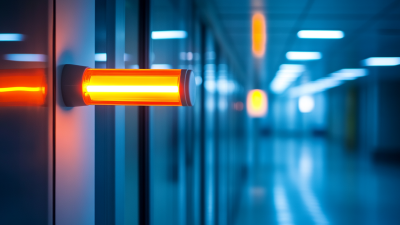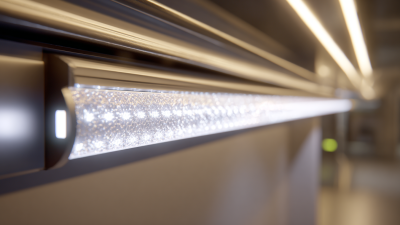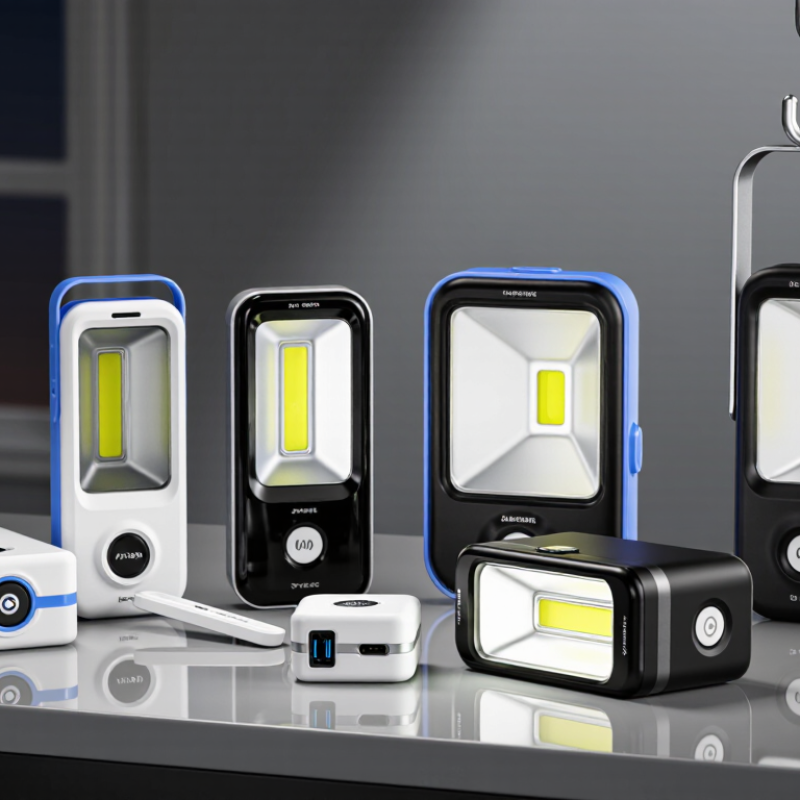
The best rechargeable emergency light from China should be judged by performance, not appearance. Key features include stable brightness, fast charging, battery protection, and clear status indicators. A practical inspection should check whether the lamp starts instantly after power failure. It should also remain usable with wet hands.
LED efficiency matters.
The International Energy Agency reports that LED lighting uses at least 75% less energy than incandescent lighting and can last up to 25 times longer. This supports longer battery operation, but only when the circuit is properly designed. A light with a 3,000–5,000 mAh battery may offer useful runtime, yet brightness settings and battery age change the result. Marketing numbers can be optimistic.
Look for compliance evidence linked to IEC 60598-2-22 or relevant national emergency-lighting standards. A credible supplier should provide test reports, battery specifications, charging-cycle data, and operating-temperature limits. NFPA 101 commonly references 90 minutes of emergency illumination, so runtime testing should exceed this requirement with a safety margin. Useful details include a focused beam, a wide-area beam, a wall hook, and a visible charging indicator. IP ratings help in dusty or damp locations, but an IP label alone does not prove durability. I would also inspect the battery compartment; weak seals and loose wiring are small defects with serious consequences. One limitation remains: laboratory brightness rarely matches a dark stairwell filled with smoke or dust.