Best Clear Acid Silicone Sealant for Your Projects?
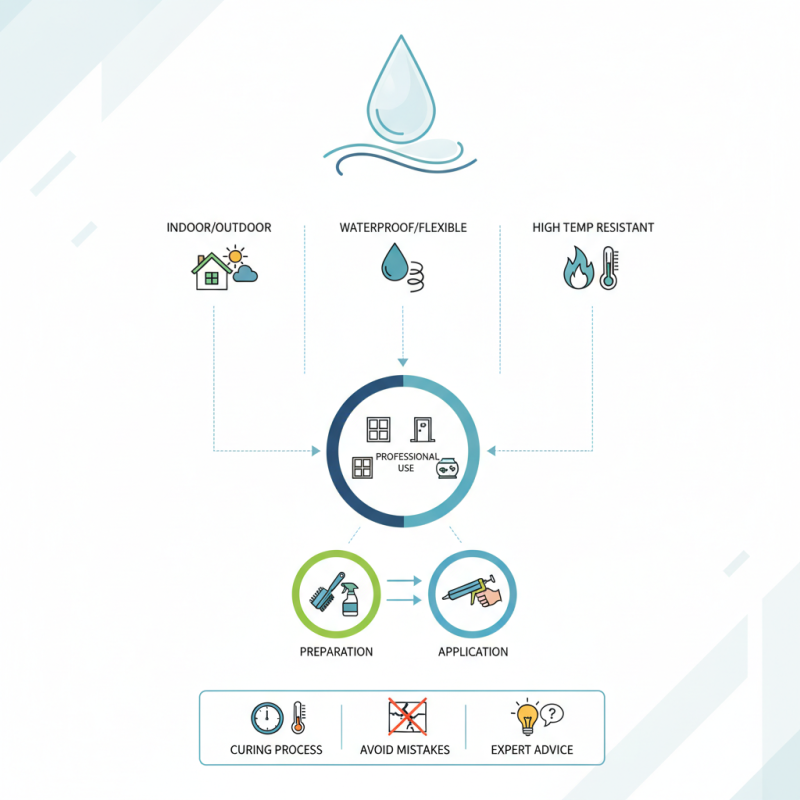
When embarking on home improvement projects, choosing the right materials is essential. Clear Acid Silicone Sealant stands out as a versatile option for a variety of applications. Its transparent finish makes it ideal for both indoor and outdoor use. Water resistance and flexibility enhance its performance in different environments.
Many professionals rely on Clear Acid Silicone Sealant for sealing windows, doors, and even aquariums. Its ability to withstand temperatures and moisture makes it a reliable choice. However, users should be aware that improper application can lead to issues. Surface preparation is critical for effective adhesion. Taking time to clean surfaces can greatly improve results.
While Clear Acid Silicone Sealant is user-friendly, it requires careful handling. The curing process is influenced by humidity and temperature. Users should not rush the application. Mistakes can result in unsightly gaps or weak seals. Understanding the specific needs of each project will lead to better outcomes. Seeking expert advice can further enhance the success of your sealing tasks.
Introduction to Clear Acid Silicone Sealants
Clear acid silicone sealants have gained popularity in construction and home improvement projects. These sealants are known for their versatility and strong adhesion. According to a market research report by Grand View Research, the silicone sealant market is projected to reach USD 6.69 billion by 2025. This growth is driven by their application in residential and commercial markets.
Acidic silicone sealants cure through a process that releases acetic acid. This method provides benefits such as superior flexibility and long-lasting durability. However, they may not be suitable for all surfaces. Certain materials, like marble and concrete, can be damaged by acid exposure. Testing is essential to ensure compatibility with specific surfaces.
One downside is the strong odor that often accompanies the curing process. This scent can be off-putting for some users. Additionally, clear formulations can be tricky to apply evenly, leading to potential aesthetic imperfections. Users should approach application with care to avoid visible streaks or bubbles. Understanding the right application techniques can greatly enhance the final outcome. Proper preparation and surface cleaning are key in achieving a strong seal.
Key Properties of Clear Acid Silicone Sealants
When selecting a clear acid silicone sealant, understanding key properties is essential. These sealants are ideal for applications requiring flexibility and adhesion. They excel in bonding to glass, metals, and ceramics. The acidic nature ensures strong adhesion but can corrode certain materials, like marble or granite. Always check compatibility with your project materials.
Tips for using clear acid silicone: Prepare surfaces thoroughly. Clean them from dust and grease for optimal adhesion. Apply the silicone evenly using a caulking gun. A smooth finish is crucial for aesthetics. Avoid applying in humid conditions, as it may affect curing time.
While these sealants exhibit excellent warter resistance, they do have limitations. They might not be ideal for high-temperature environments or where significant movement occurs. Regularly review the seal's condition over time. This maintenance helps in early detection of failures, allowing for timely repairs. Make informed choices to ensure your projects are durable and effective.
Top Brands of Clear Acid Silicone Sealants in the Market
When it comes to selecting the right clear acid silicone sealant, understanding the top brands in the market is crucial. These brands often have a reputation built on years of experience and extensive research. They provide products that are durable, flexible, and ideal for various projects. Whether you are sealing windows, sinks, or bathroom fixtures, a high-quality sealant ensures water resistance and longevity.
Here are some tips for choosing the right sealant: Check the product's flexibility and temperature resistance. These features are vital for outdoor applications where weather conditions can change. Additionally, review the curing time. Fast-curing products may save precious hours on a project. However, ensure they do not compromise the seal's integrity.
While many sealants claim to be the best, not all perform equally well over time. Some clear silicone sealants may yellow with age, which is a significant concern for projects requiring a clean appearance. It's essential to consider user reviews to learn about any long-term issues. Testing a small amount on a sample surface can help gauge performance before committing to larger applications. A thoughtful approach will guide you in making the right choice for your needs.
Comparison of Clear Acid Silicone Sealants - Performance Metrics
Application Techniques for Clear Acid Silicone Sealants
When using clear acid silicone sealants, application techniques are crucial for success. Preparing the surface is vital. Clean the area thoroughly. Remove old sealant and dust. Using alcohol or a suitable cleaner helps ensure better adhesion. Allow the surface to dry before applying the sealant. Proper preparation minimizes potential failures later.
Apply the sealant steadily and evenly. Use a caulking gun for precision. If you prefer a smoother finish, use a wet finger or a spatula. This creates a neat line. Be mindful of applying too much; it can be difficult to remove excess sealant once cured. Patience is key.
Inspect the finished job carefully. Look for gaps or uneven edges. If mistakes happen, don’t hesitate to remove and reapply. Learning from each attempt improves skills. Even experienced users can encounter challenges. Every project can teach valuable lessons about technique and application.
Tips for Choosing the Right Sealant for Your Projects
Choosing the right clear acid silicone sealant for your projects can be crucial. Factors like adhesion, cure time, and environmental resistance play significant roles in performance. According to industry reports, applying the wrong sealant can lead to costly repairs. Over 40% of professionals reported difficulties with adhesion failure in damp environments.
Consider these tips when selecting a sealant. First, assess your project’s specific needs. Will it face moisture or extreme temperatures? Review the manufacturer's data sheets. These documents often contain performance metrics that can guide your choice. Look for products offering good flexible adhesion to various surfaces.
Test the sealant before full application. Small samples can reveal issues that might not be immediately apparent. Many users overlook this step, leading to inefficiencies. The sealant’s cure time can also impact work schedules. Ensure you factor this into your planning. Use a clear, acid silicone sealant that meets your project's demands to avoid future challenges.

