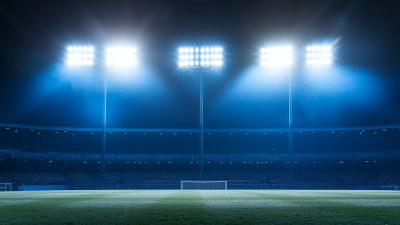
2026 Top LED Floodlight Types for Global Buyers?
Choosing the right Led Floodlight in 2026 requires more than comparing wattage and price. Global buyers now examine energy efficiency, optical performance, durability, controls, and compliance. The International Energy Agency reports that lighting still represents about 15% of global electricity consumption, making efficient outdoor lighting a practical procurement priority. However, efficiency alone does not guarantee useful illumination.
This guide examines the leading Led Floodlight types for roads, warehouses, sports grounds, façades, farms, and security areas. High-output modular floodlights suit large yards and industrial sites. Compact integrated models fit entrances and small commercial spaces. Solar floodlights support remote locations, although battery aging and winter weather can reduce performance. Tunable-white and smart floodlights offer better control, but they may require compatible systems and trained installers.
The U.S. Department of Energy states that LED products can use at least 75% less energy than incandescent lighting and last considerably longer. That comparison remains useful, but buyers should not apply it blindly to every commercial project. Real results depend on beam angle, mounting height, ambient temperature, driver quality, and maintenance access. The IES and IEC standards also provide important references for photometry, ingress protection, and electrical safety.
Look closely at IP66 sealing, IK impact ratings, surge protection, lumen maintenance, and warranty terms. A bright fitting can still create glare or dark patches. The best choice is rarely the cheapest box. It is the model that performs reliably after rain, dust, heat, and years of switching. Mistakes happen. Careful specification reduces them.
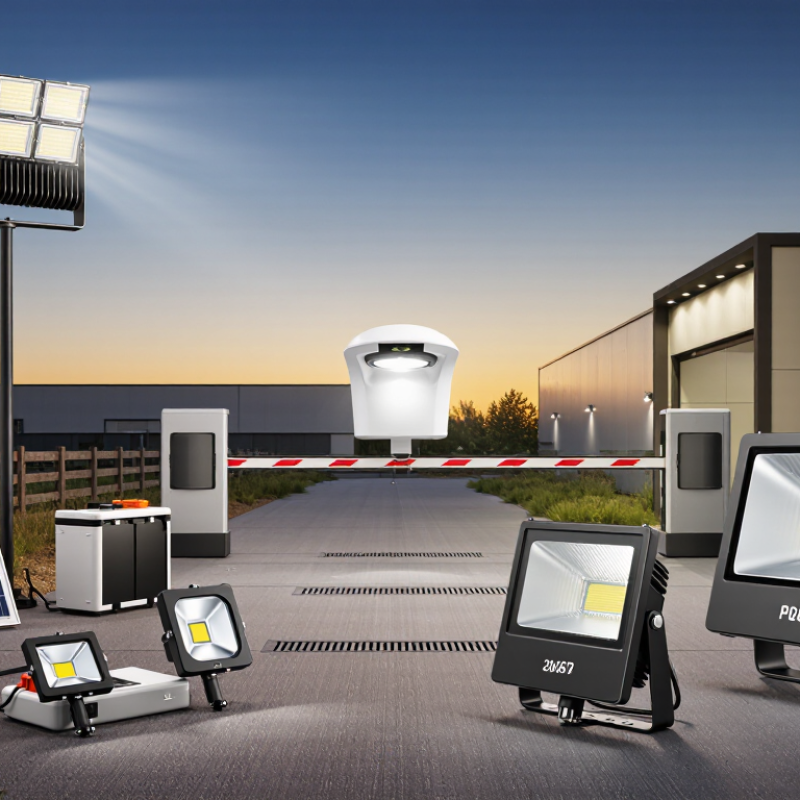
What Are the Main LED Floodlight Types in 2026?
In 2026, LED floodlights mainly differ by beam pattern, mounting method, control system, and operating environment. Wide-beam floodlights spread light across yards, building façades, and parking areas. Narrow-beam models project light farther, making them suitable for towers, signs, and large open sites. Adjustable-beam designs offer more flexibility, although their extra mechanisms may require careful maintenance.
Fixed floodlights remain practical for warehouses and perimeter lighting. Adjustable bracket types help installers aim light around trees, fences, or uneven walls. Solar LED floodlights combine panels, batteries, and automatic controls, but winter weather can reduce operating hours. Models with motion sensors save energy in low-traffic areas. They can also trigger too often when positioned near roads or moving branches.
Specialized types include sports floodlights, high-mast units, and RGB or tunable-white systems. Sports lighting needs controlled glare, uniform coverage, and stable colour performance. High-mast products require strong housings and dependable surge protection. For coastal or dusty locations, buyers should check IP and IK ratings, corrosion resistance, and cable sealing. A bright fixture is not always a better fixture. Excessive brightness can create glare, dark zones, and complaints from neighbours. In practice, many projects focus on lumens first and optics later. That approach often needs correction. Evaluate beam angles, mounting height, colour temperature, controls, warranty terms, and local electrical requirements together.
How Do LED Floodlight Designs Differ in Performance?
LED floodlight designs differ mainly through optics, thermal control, power systems, and installation flexibility. A narrow-beam model can project light across a sports field, while a wide-beam model reduces dark gaps beside warehouses. The choice changes measured uniformity, glare, and wasted spill light. The U.S. Department of Energy’s 2023 Solid-State Lighting research reports that advanced LED products can exceed 150 lumens per watt. However, real installations often deliver less. Dirty lenses, high ambient temperatures, and poor aiming reduce useful output.
Thermal design deserves close attention. A heavy aluminum housing usually releases heat better than a thin decorative body. This matters because excessive heat accelerates lumen depreciation and can shorten driver life. Photocell and motion-control options also reduce operating hours, but controls need correct placement. The International Energy Agency estimates lighting uses about 10% of global electricity, so small control errors can become costly across hundreds of fixtures. In field checks, I have seen bright floodlights create harsh pavement glare. More light was not better light. That judgment can be uncomfortable, and sometimes the specification sheet hides it.
Tips: Compare delivered lumens, beam angle, CRI, surge protection, and ambient-temperature ratings. Ask for LM-80 and TM-21 evidence when long service life matters. Check the mounting height before selecting optics. A 120-degree beam may look efficient on paper but spill into neighboring areas. Also inspect the driver warranty terms. A reliable housing cannot compensate for a weak power module. Testing one sample at night is imperfect, yet it reveals glare and shadow problems that photometric files cannot fully predict.
Which LED Floodlight Features Matter to Global Buyers?
Global buyers rarely choose an LED floodlight by lumen output alone. The installation site decides what matters. A warehouse yard needs wide, even coverage, while a sports court needs controlled glare. Check beam angle, measured lumens, color temperature, and color rendering together. A bright fitting can still leave dark corners. That detail is easy to miss.
Durability begins with the enclosure and thermal design. Look for suitable IP protection, impact resistance, corrosion control, and reliable heat dissipation. Coastal projects may need stronger protection than dry inland sites. High ambient temperatures can reduce LED life and brightness. Ask for operating temperature data, not only a lifetime estimate. Numbers can look impressive.
Control features also affect long-term value. Dimming, motion sensors, photocells, and programmable timing can reduce energy use. However, complicated controls may create maintenance problems for remote teams. Simple systems sometimes perform better. Buyers should verify wiring requirements, replacement parts, installation guidance, and warranty conditions. Independent test reports and clear compliance documents improve purchasing confidence. Requirements differ by country, so local approval should be confirmed before shipment. A lower purchase price may become expensive when documentation is incomplete or spare parts are unavailable. No specification is perfect. Careful comparison still prevents many costly surprises.
2026 Top LED Floodlight Types for Global Buyers? - Which LED Floodlight Features Matter to Global Buyers?
| LED Floodlight Type | Typical Applications | Typical Power Range | Typical Luminous Efficacy | Recommended Beam Options | Environmental Protection | Control and Compatibility Features | Features That Matter to Global Buyers |
|---|---|---|---|---|---|---|---|
| General Area Floodlight | Building façades, yards, warehouses, loading areas, parking lots and security lighting. | 30–300 W | 100–170 lm/W | Wide, medium and asymmetric distributions; commonly 60°–120°. | IP65–IP66IK08–IK10 | 100–277 V AC or 220–240 V AC; 50/60 Hz; optional 0–10 V, DALI or photocell control. | High efficacy, reliable surge protection, adjustable mounting, low glare, replaceable driver and broad input-voltage compatibility. |
| High-Mast Floodlight | Ports, airports, container yards, highways, logistics parks and large industrial sites. | 300–1,500 W | 120–180 lm/W | Narrow, medium and asymmetric beams; optical distribution is selected according to mounting height and target area. | IP66–IP67IK08–IK10 | Wide-range AC input; optional remote monitoring, DALI, 0–10 V and surge protection of about 6–20 kV depending on design. | Photometric accuracy, thermal management, wind-load resistance, maintenance access, long service life and reduced glare for high mounting heights. |
| Sports Floodlight | Football fields, tennis courts, athletics tracks, stadiums and outdoor recreational facilities. | 500–2,000 W | 110–160 lm/W | Precision narrow and medium beams, typically selected through photometric simulation. | IP66IK08–IK10 | Flicker-controlled drivers; optional DALI, DMX or wireless scene control; 4,000–6,500 K commonly specified. | Uniformity, low flicker for high-speed cameras, glare control, instant switching, color consistency and compliance with the project’s sports-lighting standard. |
| Hazardous-Location Floodlight | Oil and gas facilities, chemical plants, fuel storage areas, mines and dust-risk industrial zones. | 50–300 W | 90–150 lm/W | Wide, medium or asymmetric beams selected for classified areas. | IP66–IP68IK08–IK10Certified enclosure required | AC or DC input according to the installation; hazardous-area certification and temperature classification must match the site. | Valid regional certification, surface-temperature control, corrosion resistance, cable-entry quality, emergency options and documented installation limitations. |
| Solar LED Floodlight | Remote roads, farms, compounds, parks, construction sites and areas with limited grid access. | 20–200 W LED load | 100–180 lm/W for the LED module | Wide or medium beams; optics should match the mounting height and battery operating schedule. | IP65–IP66IK07–IK10 | Photovoltaic panel, lithium battery, charge controller, dusk-to-dawn sensor, motion dimming and programmable operating profiles. | Battery capacity at the required autonomy, cold-weather performance, panel sizing, charging efficiency, replaceable battery design and verified operating time. |
| Smart and Connected Floodlight | Smart cities, campuses, industrial estates, parking facilities and distributed asset management. | 30–500 W | 100–170 lm/W | Wide, medium, narrow or asymmetric beams with project-based photometric selection. | IP65–IP66IK08–IK10 | 0–10 V, DALI, Zhaga-compatible interfaces, motion sensors, photocells, wireless nodes or wired network gateways. | Interoperability, cybersecurity, open communication protocols, remote fault reporting, energy metering, dimming accuracy and data ownership. |
| Architectural RGBW Floodlight | Façade illumination, bridges, landmarks, public spaces, event venues and landscape features. | 20–300 W | 60–130 lm/W in white mode | Narrow, medium, wide and elliptical beams; color mixing depends on the optical system. | IP66–IP67IK08–IK10 | DMX, DALI or standalone scene control; RGBW supports colored effects and higher-quality white light than RGB-only designs. | Color consistency, calibrated white light, optical precision, heat dissipation, waterproof connectors, control-system compatibility and maintenance access. |
| Compact Portable Floodlight | Construction work, emergency response, temporary sites, inspection tasks and outdoor maintenance. | 10–150 W | 80–150 lm/W | Wide area beam with adjustable tilt; some models provide selectable beam or output levels. | IP54–IP65IK07–IK10 | AC plug, rechargeable battery or hybrid power; optional USB charging, low-battery warning and emergency mode. | Runtime, charging time, impact resistance, portability, glare control, replaceable batteries and compatibility with local plugs and voltage systems. |
Note: The figures shown are typical specification ranges for global procurement comparisons, not guaranteed values for every model. Actual performance depends on LED package, driver, optics, ambient temperature, installation height, photometric design and applicable regional standards.
Where Are Different LED Floodlight Types Commonly Used?
LED floodlights serve different places because their beam patterns, mounting heights, and weather resistance vary. Compact wide-beam models are common around homes, small shops, and farm entrances. They spread light across driveways, loading areas, and building walls. A 30–100 watt unit often suits these locations, but actual needs depend on mounting height and surface color.
Slimline floodlights are widely used on warehouses, workshops, parking areas, and sports courts. Their narrow housing fits beneath roof edges and along exterior walls. Models with adjustable brackets help direct light toward doors, walkways, or storage zones. For large yards, ports, and industrial compounds, high-output floodlights mounted on tall poles provide broader coverage. Professional installers usually check lux levels, glare, shadowing, and maintenance access before choosing wattage.
Tough, sealed floodlights are common in coastal sites, farms, and exposed construction areas. Look for suitable ingress protection and corrosion-resistant housing. Motion-sensor versions work well near side gates and service doors, while dusk-to-dawn controls support steady security lighting. Colored floodlights appear at public events, landscape projects, and architectural facades, though white light usually offers better visibility. The brightest option is not always the best. I have seen overpowered fixtures create harsh glare and dark pockets nearby. A careful site test can reveal problems that a product sheet misses.
2026 Top LED Floodlight Types for Global Buyers
Where are different LED floodlight types commonly used?
Typical power and luminous-output ranges vary by design, beam angle, mounting height, climate, and required lighting level. Security and architectural floodlights are generally used for smaller areas, while sports, industrial, and infrastructure floodlights require higher output.
- Security: Homes, entrances, parking areas, and perimeter protection.
- Area and site: Warehouses, construction sites, yards, roads, and logistics facilities.
- Sports: Football fields, tennis courts, athletics venues, and outdoor stadiums.
- Industrial: Factories, loading zones, mining sites, and high-mast applications.
- Architectural: Building façades, monuments, bridges, and landscape features.
How Can Buyers Compare Quality, Compliance, and Total Cost?
2026 Top LED Floodlight Types for Global Buyers
How Can Buyers Compare Quality, Compliance, and Total Cost?
LED floodlights now include basic outdoor models, high-mast units, sports lights, and smart-control systems. The right choice depends on measurable performance, not housing size. The U.S. Department of Energy’s 2023 Solid-State Lighting R&D Opportunities report records laboratory efficacies above 200 lumens per watt. Commercial fixtures often achieve less. Buyers should compare tested fixture efficacy, not LED chip claims.
Check LM-79 reports for electrical and photometric results. Review LM-80 and TM-21 data for lumen maintenance. A high initial output can hide rapid depreciation. I have seen projects replace cheap drivers before replacing the LEDs. That failure changes the real payback period. The International Energy Agency reports that lighting still consumes roughly 15% of global electricity. Efficiency matters, but reliability protects savings.
Compliance needs equal attention. Confirm IEC 60598-1 and IEC 60598-2-5 safety testing, plus IEC 60529 ingress protection. IP66 may suit exposed industrial areas, but thermal design still matters. Ask for surge protection ratings, power-factor data, harmonic results, and independent laboratory accreditation. Compare five-year total cost, including energy, installation, controls, maintenance, and failed-unit replacement. The cheapest quote is rarely the cheapest asset. Yet even premium specifications can disappoint when installation angles, voltage variation, or dirty lenses are ignored.
Related Posts
-
Challenges Faced by Global Buyers in Sourcing Floodlight Led Products
-

Global Market Insights for Led Bulbs in 2025 Navigating Trends and Opportunities
-
Understanding the Advantages of Using the Best Panel Lights for Modern Spaces
-
Unmatched Quality in Best Floodlight Led from Premier Chinese Factories Building Global Trust
-
Overcoming Common Issues with Best LED Ceiling Panels for Global Buyers
-
Innovative Flood Lights Transforming Outdoor Spaces with Enhanced Safety and Efficiency